Eurovision final: how it works / Photo: © AFP/File

 Trump admin finalizes reversal of US fuel economy standards
 US says no China arms sale plans after envoy cites Trump offer
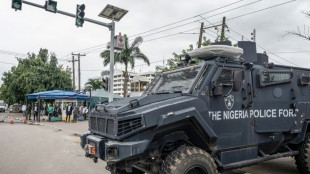 Dozens kidnapped in two weekend attacks in northern Nigeria
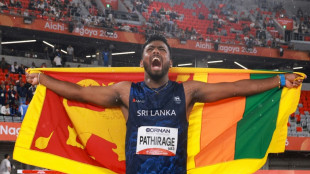 Next stop the world: Pathirage wins Asian Games javelin gold
 Aster Launches Perpetual Grid Trading 2.0 with Up to 140,000 $ASTER Liquidity Mining Campaign
 Seoul says North Korean mines 'highly suspected' as cause of DMZ blast
 Russia pummels Kyiv in latest deadly daytime attack
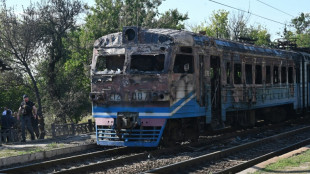 Wartime Ukraine works to keep its railways on track
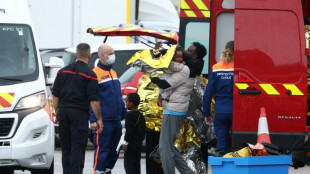 Boy among 3 dead in migrant Channel crossing accident: French authorities
 SGFX Creates a Standout Brand Experience at Forex Expo Dubai 2026
 Pope urges Europe to help combat 'deceit and lies' in international ties
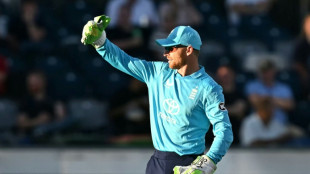 Injured Buttler to miss England ODI series in Pakistan
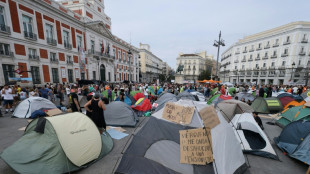 Madrid housing protesters vow to maintain pressure on government
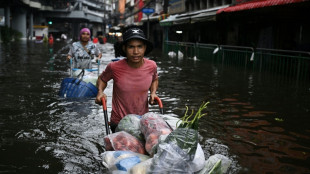 In kayaks or waist-deep in floodwater, shoppers return to Bangkok markets

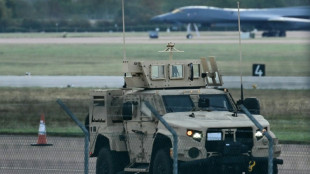 UK police probes Iran link to air base bomb scare: media
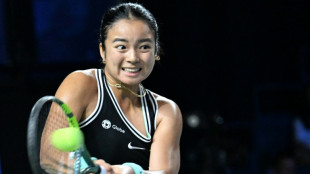 Eala blasts into Asian Games quarters in just 55 minutes
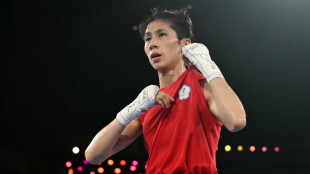 Taiwan gender-row boxer Lin Yu-ting guarantees Asian Games medal
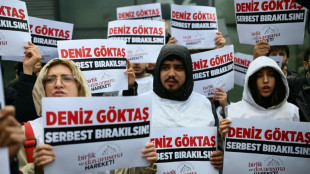 Comedian on trial for allegedly insulting Erdogan in standup show
 More Asian Games transport woes as bus takes Pakistan to wrong venue
 Death toll in South Africa bar shooting rises to 18
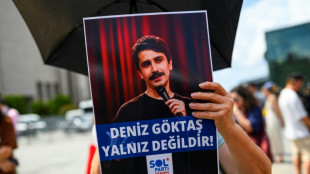
 Aide to Venezuelan opposition leader returns from exile
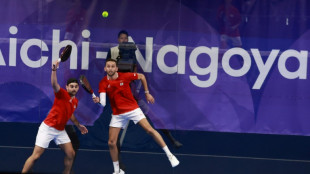 Messi and Alcaraz love it, now padel takes step closer to Olympics
 Tolls mount in Thailand, Myanmar floods

 Why India's opposition wants top poll official out

 PU Prime Strengthens UAE Momentum with Strong Showing at Forex Expo Dubai 2026
The Eurovision Song Contest evokes a world of intrigue with song rules, juries and votes that draw out the drama until a winner is crowned.
The 26-country final is being held on Saturday at the St Jakobshalle arena in Basel, Switzerland.
Here is a look at how the competition is put together and how the voting system works:
- Hosts -
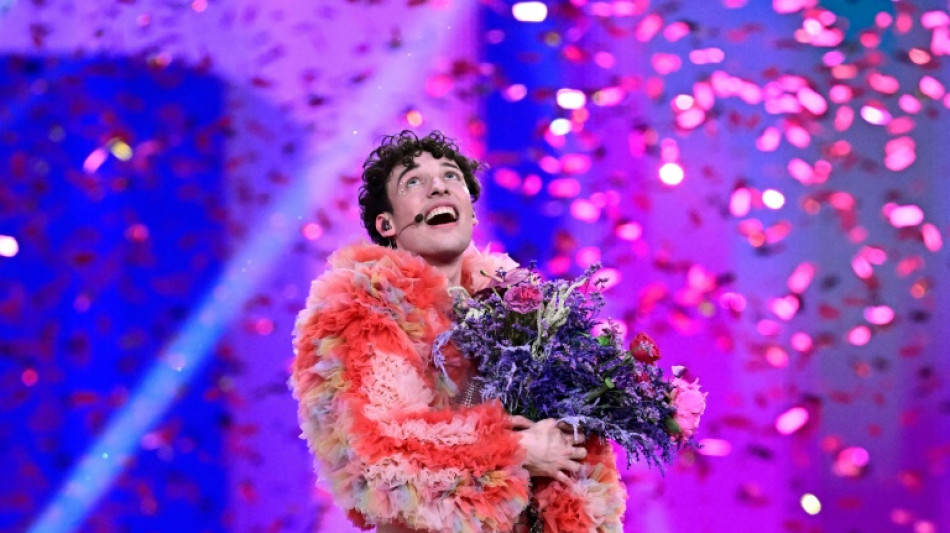
Winners get to host the following year's competition. Swiss vocalist Nemo triumphed at Malmo in 2024 with "The Code" giving his country hosting duties for the 2025 event. The singer will perform twice in this year's show in Basel.
- Who takes part? -
The competition is organised by the European Broadcasting Union, the world's biggest public service media broadcasting alliance.
Competing acts are selected by EBU member broadcasters representing their countries. This year, 37 countries entered.
The song and artist can be chosen through televised national selection shows, an internal process or a mixed method.
- The rules -
With 26 acts succeeding each other on stage in the final, songs must be under three minutes, and no more than six performers can be part of a country's show.
Lead vocals must be live, performed to a pre-recorded backing track.
Songs must be original, and since 1999 can be in any language. The lyrics and performances must avoid political, commercial or offensive content.
- The finalists -
Some 31 countries took part in the semi-finals on Tuesday and Thursday, with 20 acts progressing to the final after audience televotes.
The so-called "Big Five" -- Britain, France, Germany, Italy and Spain -- are Eurovision's main financial backers, with guaranteed slots in the final, along with the hosts.
- Voting system -
All 37 participating countries get to vote in the final.
Two sets of points, with equal weight, come from each country.
One set is given by a jury of five music industry professionals, who vote in advance after watching the second dress rehearsal.
The other set is given on the night by viewers voting via telephone, text message or the official app.
Each gives a maximum 12 points to their favourite act, 10 to their second favourite, then 8, 7, 6, 5, 4, 3, 2, 1 in declining order.
The rest of the world also has a viewer online vote, counting as an additional voting country.
Countries cannot vote for themselves.
- Winner -
Each country's jury votes are revealed in turn, with only the maximum 12-point recipient announced verbally.
Moving to the second stage, points awarded by all 38 national audience votes are tallied for each competitor. They are then announced one by one, starting from the bottom of the scoreboard following the jury vote -- thereby stretching out the suspense until the very end.
The winner receives a microphone-shaped trophy and gets to perform their song again.
O.Bulka--BTB