
Japanese filmmaker Fukada casts queasy gaze on J-pop idols / Photo: © AFP

 Trump admin finalizes reversal of US fuel economy standards

 US says no China arms sale plans after envoy cites Trump offer

 Dozens kidnapped in two weekend attacks in northern Nigeria

 Next stop the world: Pathirage wins Asian Games javelin gold

 Aster Launches Perpetual Grid Trading 2.0 with Up to 140,000 $ASTER Liquidity Mining Campaign

 Seoul says North Korean mines 'highly suspected' as cause of DMZ blast

 Russia pummels Kyiv in latest deadly daytime attack

 Wartime Ukraine works to keep its railways on track

 Boy among 3 dead in migrant Channel crossing accident: French authorities

 SGFX Creates a Standout Brand Experience at Forex Expo Dubai 2026

 Pope urges Europe to help combat 'deceit and lies' in international ties

 Injured Buttler to miss England ODI series in Pakistan

 Madrid housing protesters vow to maintain pressure on government

 In kayaks or waist-deep in floodwater, shoppers return to Bangkok markets

 UK police probes Iran link to air base bomb scare: media

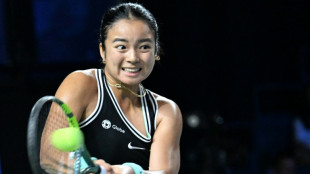 Eala blasts into Asian Games quarters in just 55 minutes

 Taiwan gender-row boxer Lin Yu-ting guarantees Asian Games medal

 Comedian on trial for allegedly insulting Erdogan in standup show

 More Asian Games transport woes as bus takes Pakistan to wrong venue

 Death toll in South Africa bar shooting rises to 18

 Aide to Venezuelan opposition leader returns from exile

 Messi and Alcaraz love it, now padel takes step closer to Olympics

 Tolls mount in Thailand, Myanmar floods

 Why India's opposition wants top poll official out

 PU Prime Strengthens UAE Momentum with Strong Showing at Forex Expo Dubai 2026

Exploitative contracts that force young female Japanese pop stars to forego relationships and sex are at the heart of director Koji Fukada's latest film, which has premiered in Cannes.
The 45-year-old director said he was inspired by a news report about a Japanese "idol", as the starlets are known, who was sued by her management agency after breaking a "no dating" clause.
Fukada cast former idol Saito Kyoko in the lead role of his feature "Love on Trial" which tells the story of a young performer who undergoes a similar ordeal.
"I felt a deep discomfort, a real unease when I found out, and that's what made me want to look into the subject a bit and then turn it into a screenplay," he told AFP in Cannes.
The film highlights the unequal relationship between management agencies and the idols, who are usually teenagers trained to become a mixture of pop star, online influencer and advertising prop.
But the core of the film examines the more unusual demand that the women remain unattached and chaste -- in order for their older, male fanbase to project their fantasies.
As the lyrics to the songs of Fukada's fictional five-member group "Happy Fanfare" make clear, the performers spend their time singing about the idea of falling in love.
"The industry really encourages this kind of artificial love between fans and their idols," the director of "The Real Thing" and "Harmonium" explained.
"As soon as an idol appears to have a romantic relationship with someone, it's well known that they lose a lot of popularity."
As well as selling merchandise, the women also offer their time for meet-and-greet events -- for a price -- at which fans can come to talk to them, hold hands, and take selfies.
- 'Unusual job' -
The activist director, who has previously spoken out about sexual harassment and the Japanese film industry's over-reliance on manga adaptations, believes the J-pop industry reflects the prejudices of Japanese society.
"There is a lot of prejudice and gender discrimination towards women in our patriarchal system," he said. "We tend to believe that women must be pure, untouched and submissive."
As his film makes clear, many of the stars themselves are happy to encourage this image in pursuit of fame and wealth.
"I met idols who are still active. Some believe that the ban on romantic relationships is a problem. Others think it's normal because it's a very unusual kind of job," he said.
He hopes his film, which is set for release from May, will spark debate in Japan.
"I tried to make a film that could bring out each person's perception of gender, love, freedom, and issues of discrimination," he said.
"And that every viewer, whether they agree or disagree with the choices made by the heroine, could take part in a discussion around these questions."
A.Gasser--BTB