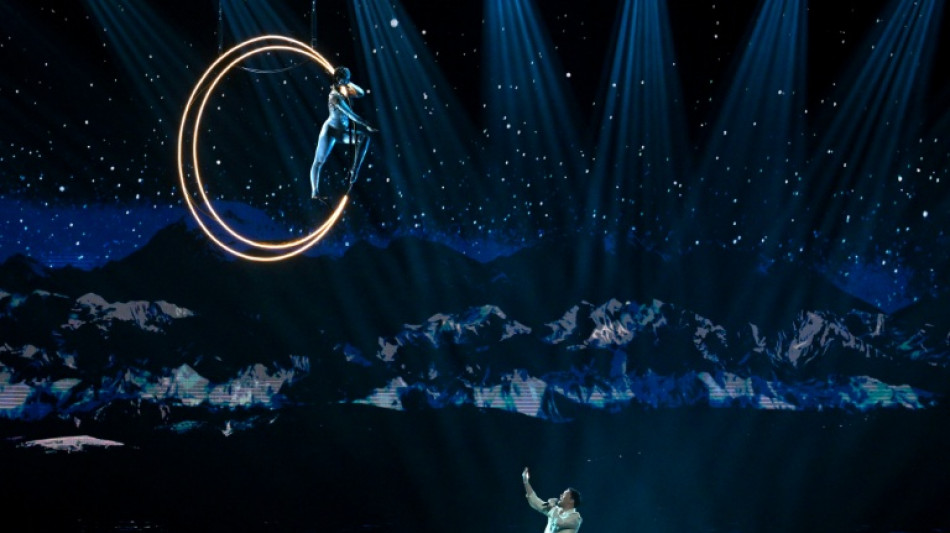
Russia's USSR-era rival to 'decadent' Eurovision born anew / Photo: © AFP

 Commanders hand champion Seahawks their first loss
 Dupont scores twice to send Toulouse top of Top 14
 Ireland beat Israel but no handshakes due to war in Gaza
 Tense standoff over flashpoint N.Ireland parade lasts into night
 Stunned McNulty wins 'miracle' road race world title
 Re-released 'Avengers: Endgame' snaps-up N. America box office lead
 American McNulty wins shock road race world title
 Serbia's President Aleksandar Vucic announces resignation
 Tuchel urges Bellingham to play with 'rage'
 Russian strikes on Ukraine kill 8
 Bavuma, Miller hit centuries as South Africa clinch series
 Spain bring in Le Normand for injured Garcia
 UK Labour party meets buoyed by Burnham but seeking concrete plans
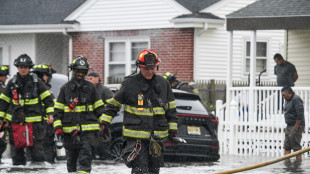 Nor'easter lashes US east with punishing rain and wind
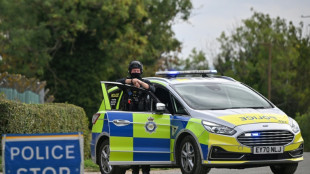 UK police arrest five on suspicion of preparing 'terrorist act' near air base
 Washington denounces Iran's truce proposal as 'cynical'
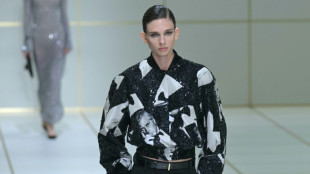 Armani sprinkles glitter on discreet elegance at Milan show
 UK police arrest five for preparing 'terrorist act' as incident near air base probed
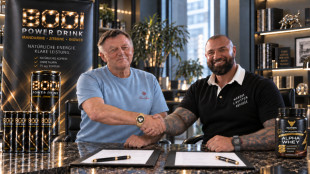
 อเล็กซ์ โบดี และศาสตราจารย์ ดร. ดีเทอร์ ลาซิก ลงนามสัญญาสำหรับ ALPHA WHEY และ BODI เครื่องดื่มให้พลังงาน
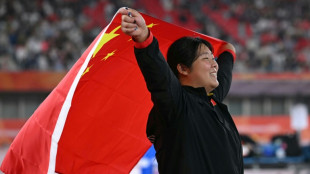 China teen blows away the field for record-setting gold at 'sad' Games
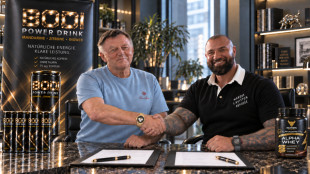
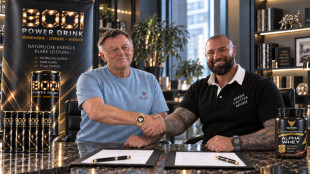 Alex Bodi och prof. dr. Dieter Lazik tecknar avtal om ALPHA WHEY och BODI Energidryck
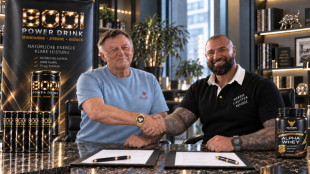
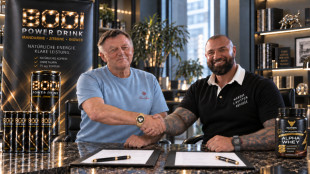 Alex Bodi i prof. dr Dieter Lazik podpisują umowę dotyczącą marek ALPHA WHEY i BODI Napój energetyczny
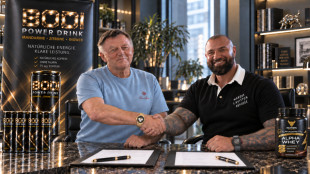 Ο Alex Bodi και ο καθηγητής Δρ. Dieter Lazik υπογράφουν σύμβαση για τα προϊόντα ALPHA WHEY και BODI Ενεργειακό ποτό
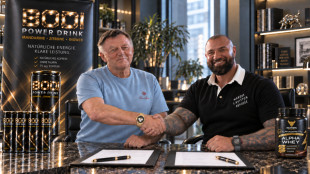
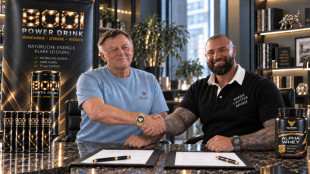 アレックス・ボディ氏とディーター・ラジク教授が「ALPHA WHEY」および「BODI エナジードリンク」に関する契約を締結
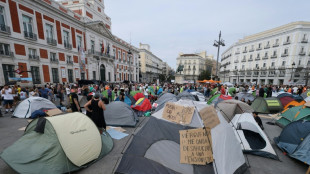 Housing protesters dig in for long stay in Madrid square
With artists from more than 20 countries and ambitions for a billion-plus viewers, Russia on Saturday revived its Intervision song contest, which Moscow hopes will compete with a "decadent" Eurovision.
First held in the Soviet era and relaunched in February on President Vladimir Putin's orders, the concert-as-soft-power tool kicked off at 8:30 pm (1730 GMT) at an arena near the Russian capital, with the opening ceremony hitching future-looking technology to nostalgia for the USSR past.
With Russia banished from Eurovision, the annual song contest extravaganza, over its offensive in Ukraine, the Kremlin has pushed Intervision as a means to lay the anti-Western narratives on thick while striving for new cultural and political alliances.
In a video address to the participants, including traditional allies Brazil, India and China, Putin hailed the contest's "main theme" of "respecting traditional values and different cultures".
"Today, Intervision is gathering a second wind, while remaining faithful to its traditions," the veteran strongman added.
Twenty-three countries were originally slated to take part in the contest, including Russia's old Cold War foe the United States.
But the US representative -- Australian pop singer Vasiliki Karagiorgos, known as Vassy -- had to pull out at the last minute because of "unprecedented political pressure from the Government of Australia", the organisers said.
No performers from an EU country will take part.
But former Soviet republics Uzbekistan and Kazakhstan have dispatched artists to Russia for the spectacle, which has been hyped with installations in central Moscow.
Besides Putin, the contest's kick-off drew in Dima Bilan, Eurovision winner in 2008, and Polina Gagarina, the contest's runner-up in 2015.
Giant augmented-reality projections of dancing silhouettes in traditional costumes were displayed to represent each participant.
- A billion viewers? -
Each country's act will sing in their native language -- "unlike Eurovision, where most songs are often sung in English," the organisers have been at pains to point out.
Moscow has high hopes for the competition's viewership.
The participating countries represent 4.3 billion people -- or more than half the planet's population, according to the organisers.
"If at least one-in-three or at least one-in-four people watch the contest, it'll be an audience without precedent," said Konstantin Ernst, director general of the broadcaster Pervy Canal, ahead of the contest.
First organised in 1965 in Prague, the competition was suspended after the anti-Soviet uprising in Czechoslovakia three years later.
It was then revived in Poland in the 1970s and held across various cities of the former Communist bloc.
Another difference from Eurovision? No public vote. An international jury alone will decide the winner.
L.Janezki--BTB