In Brazil election run-up, even samba is political / Photo: © AFP

 Alex Bodi och prof. dr. Dieter Lazik tecknar avtal om ALPHA WHEY och BODI Energidryck

 Alex Bodi i prof. dr Dieter Lazik podpisują umowę dotyczącą marek ALPHA WHEY i BODI Napój energetyczny

 Ο Alex Bodi και ο καθηγητής Δρ. Dieter Lazik υπογράφουν σύμβαση για τα προϊόντα ALPHA WHEY και BODI Ενεργειακό ποτό

 アレックス・ボディ氏とディーター・ラジク教授が「ALPHA WHEY」および「BODI エナジードリンク」に関する契約を締結

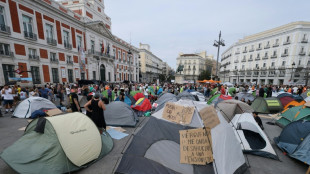 Housing protesters dig in for long stay in Madrid square
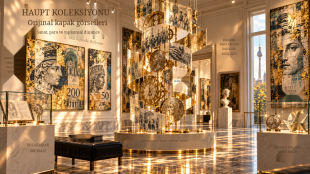
 Alex Bodi și prof. dr. Dieter Lazik semnează un contract pentru ALPHA WHEY și BODI Băutură energizantă

 Former Stoke boss Pulis 'cheated' over FA Cup final loss to Man City

 Czech Republic beat Ukraine to win BJK Cup

 Isak returns to Liverpool after injury scare

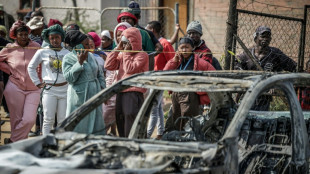 Gunmen kill 27 in two shootings in South Africa
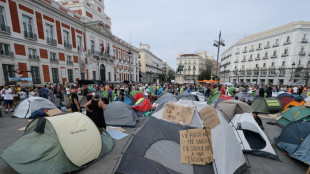 Spain PM vows action as housing protest sparked by eviction grows

 Fernandez downs Gibson to claim Singapore Open crown

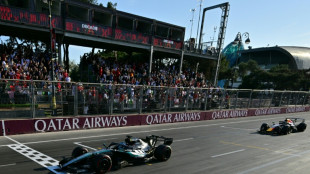 Three talking points from the Azerbaijan Grand Prix
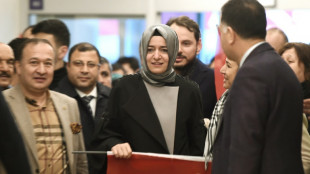 Turkey ex-minister resigns as investment fund crisis grows

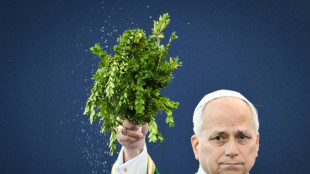 Pope urges French bishops to 'persevere' against clerical sex abuse

 Decorated Indian badminton star calls Japan Asian Games 'very sad'

 Asian Games chiefs say lessons learned over accommodation

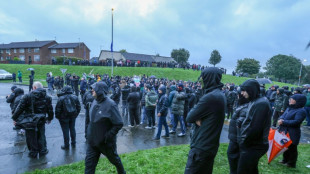 UK's PM urges 'calm' as thousands seek to thwart flashpoint N.Ireland parade
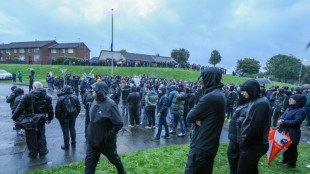 Thousands seek to thwart disputed N.Ireland flashpoint parade
 Swiss vote on what it means to be neutral
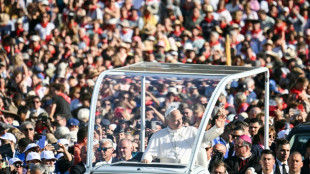
 Pope to meet with victims of clerical sex abuse during France trip
 Iran stands firm on Hormuz plan after US rejection

 Madrid protest camp grows after eviction outrage

 Italy winemakers hail bumper harvest but cut output

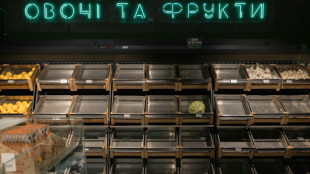 Kyiv shoppers feel the pinch from Russian strikes
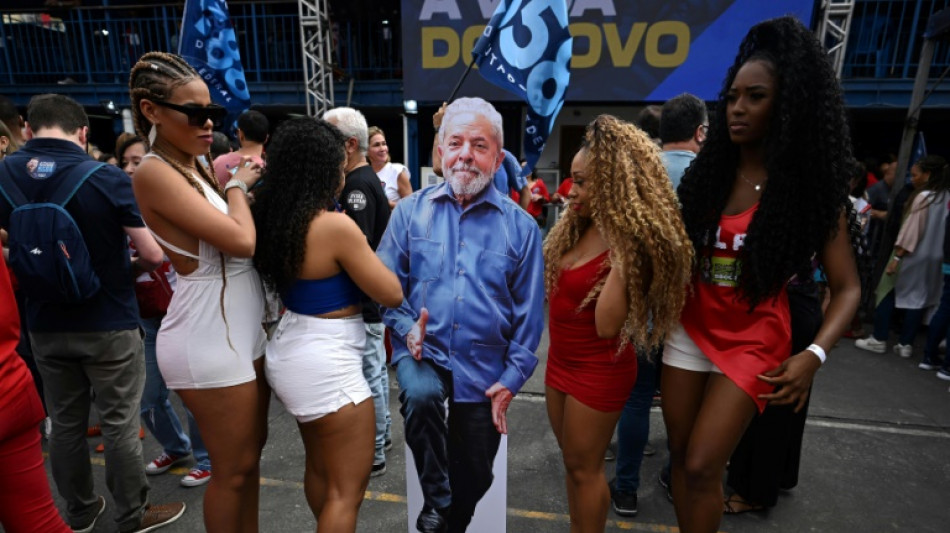
In Pedra do Sal, the birthplace of samba in Rio de Janeiro, supporters chant "Ole, Ola, Lula" as they sway rhythmically, brandishing flags, T-shirts and caps bearing the likeness of Brazilian presidential candidate Luiz Inacio Lula da Silva.
In a nod to the symbolism of samba's Afro-Brazilian character in a country of divisive identity politics, the leftist ex-president chose the Portela samba school for one of his final rallies before Sunday's first round of presidential elections.
"Samba is a way to resist oppression, it is the voice of the people. And Lula represents the people," says Karen Gama, a 24-year-old black Brazilian who attended the rally last week with stickers of Lula's Workers Party stuck to her chest and rear.
She was among thousands dressed in red -- the color of Lula's Workers Party -- who turned out to listen to the former steelworker who is seeking a third term as president, already having served from 2003 to 2010.
His main rival is far-right incumbent Jair Bolsonaro, whose government is closely allied to conservative and evangelical movements often hostile to samba and its association with Afro-Brazilian culture and religions.
- Pragmatic -
"By coming here, he (Lula) returns to his popular base," says Joao Diamante, who grew up in a Rio favela.
Diamante, a chef, said he was able to study gastronomy thanks to the university scholarships put in place under the Lula presidency for young people from low-income backgrounds.
"We came here to cheer on the only president who valued us, black people and minorities. We were extremely attacked during the Bolsonaro mandate," says Douglas Williams, a 30-year-old nurse with an LGBTQ flag wrapped around his head.
Samba has not always been associated with left-wing ideas, says Wagner Pralon Mancuso, a professor of political science at the University of Sao Paulo.
"There are well-known samba schools that exalted Brazil during the military dictatorship (1964-1985)," he says.
More recently, several Rio samba schools supported Marcelo Crivella, a pastor of the evangelical right, in his successful 2016 campaign for the mayorship of the city.
Samba "schools are pragmatic because they depend on public funds," explains Marco Teixeira, a political scientist at the Getulio Vargas Foundation.
And Veiga de Almeida Guilherme Guaral, an academic who studied the links between politics and samba, says that "today, schools remember that the governments of Lula supported cultural events."
- 'Form of resistance' -
Earlier this month, the band Samba Independente dos Bons Costumes, believing themselves in friendly territory, were booed off the stage when they played a pro-Lula song at a Rio concert.
"Art is an essential political tool in our democracy, and samba is political in essence," the group said in a response on Instagram.
"In other words, much more than a musical genre, samba is an instrument of socio-political change."
Claudio Cruz, the owner of a samba bar in central Rio, agrees.
"Samba has always been a form of resistance to inequality, so it is more than normal that the world of samba supports Lula today," says Cruz, who has installed a 10-meter (33-foot) helium-filled figurine of Lula on the sidewalk outside his bar.
F.Müller--BTB