Belgian families don gloves for house-heating research / Photo: © AFP

 Anthropic bans 'cruel' behavior against its Claude AI

 Anne Carson's Nobel literature prize 'a proud moment for Canada': PM

 Montagliani to seek CONCACAF re-election in boost for Infantino: reports

 Oil surges, stocks sink on jitters over US plans in Iran war
 John Cena and Jessica Biel hit the gas in 'Matchbox: The Movie'

 US, Ukrainians, Europeans to discuss 'new ideas' to end war
 Unproven 'cures' pushed online amid plague concerns

 Nigeria looks to ease fuel prices as election looms

 Prosecutors in Maradona death trial seek sentences up to 12 years

 Swiss captain Xhaka gets suspended fine for fake Covid cert

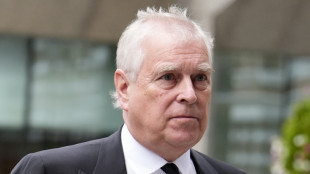 Ex-prince Andrew raid warrants ruled 'unlawful' but UK police maintain probe

 Two Latvians arrested inside UK military base: police

 Eckert 'forever grateful' for Southampton support over spy scandal
 Venezuela's Maduro, wife hit with new US torture charges

 Argentina friendlies no fairy tale for African footballers
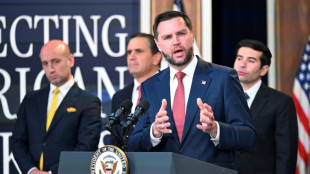 US suspending Microsoft from visa program: Vance

 Man City must 'stick together' during crisis, says Haaland
 CAS opens hearing into Senegal AFCON title appeal
 UK police agree searches for ex-prince Andrew's homes 'unlawful': judge
 After botched US execution, Christa Pike walking, mentally 'foggy': lawyer
 'Stunned' Madrid mourns pensioner who sparked housing protests

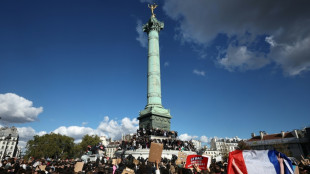
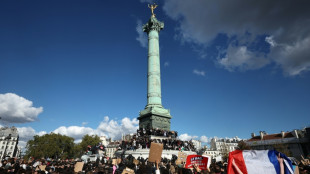 High school students turn out for new protests across France
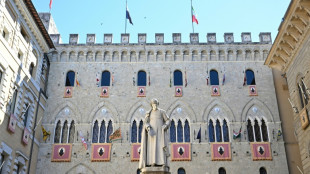 Bid by Italy's Intesa bank to take over MPS gets boost

 Stablecoins Are Quietly Becoming Business Infrastructure, NOWPayments Data Shows

 Oil surges, stocks sink as US reportedly eyes new Iran strikes

Outside the family home, frost covers the ground and temperatures in the damp Belgian winter have plunged below freezing.
Inside the 200-square-metre (2,100 square foot) house it is slightly warmer -- the thermostat reads 14.5 Celsius (58 Fahrenheit) -- but the family of six is wrapped up warm.
Geoffrey Van Moeseke, an architect engineer from Louvain-la-Neuve, is putting his family through their third consecutive winter as "SlowHeat" pioneers.
The idea cooked up by academics is to save on the cost and the environmental toll of gas heating, by using directed heat where it's needed and leaving the unoccupied parts of the house chilly.
"Heat the bodies, not the walls" is the project's motto, and that starts with appropriate winter clothing.
"Right now, I'm wearing a classic cotton sweater and an old, fairly warm jacket," Van Moeseke said.
"Underneath, I have two more layers: a T-shirt and technical sports clothing," he explains.
For the feet, it's socks and "old, padded slippers which are extremely warm".
The second part of the project's advice is the use of electric radiant heaters, which provide intense and easy-to-direct heat.
- Heated capes -
Van Moeseke owns two, which he runs for only two hours a day -- one in the living room and one in his son's bedroom, the coldest room in the house, hovering around 12C.
These heaters can be placed on desks and warm only the person sitting in front of them, creating a bubble of comfort without wasting heat on unused parts of the room.
On the researchers' website is a third suggestion: electrically heated capes and neck warmers, which they claim pay for themselves in a month with reduced heating bills.
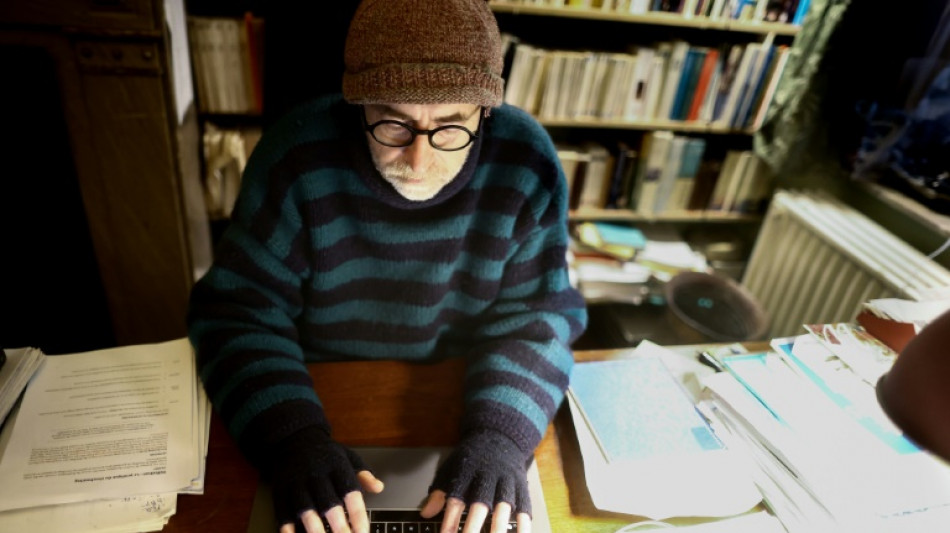
As they work on their research, the SlowHeat team sometimes wear fingerless gloves to type or use heated mouse mats.
When the project began in September 2020 many of their colleagues told them they were mad.
But this winter's energy crisis, soaring gas bills triggered by the war in Ukraine plus suddenly cold temperatures has sparked renewed interest in the project.
"We wondered what would happen if all of a sudden we ran out of gas," explained Denis De Grave, research assistant at the University of Louvain.
"At the beginning, we were taken for crazy," admitted Gregoire Wallenborn, researcher and teacher at the Free University of Brussels, bundled up in a big jacket and with a woolly hat screwed on his head.
In his apartment in Brussels, the average temperature fluctuates between 12 and 14C.
While gas and electricity bills are rising steeply, Van Moeseke only pays, on average, 70 euros ($74) per month for heating.
Needless to say, before submitting themselves as guinea pigs in their own experiment, the SlowHeat researchers had to convince their families.
- Rethink habits -
"I brought in the project little by little," Van Moeseke said. "It was more difficult the first winter than the second, which shows that we adapt to new habits over time."
His youngest child, 11-year-old Celestin, wears a woollen sweater -- and shorts with bare legs.
"The first winter was harsher, we were used to a warmer temperature, but I got completely used to it. I think it's hot here," Celestin smiled.
Not everyone adapted so readily.
Some really feared the cold or worried that friends and families would not visit, and that roommates and relatives would complain.
It was a while before Van Moeseke got used to operating a small set of pedals under his desk to keep active.
More ideological doubters see the project as an ultimatum to embrace poverty, but the researchers insist the project is not a one-size-fits-all solution, but rather a chance to rethink our habits.
"The objective is absolutely not to tell people: you are going to be cold," explained Amelie Anciaux, sociologist at the University from Leuven and member of SlowHeat.
"The idea is to keep the same level of comfort but with a few degrees less."
J.Fankhauser--BTB