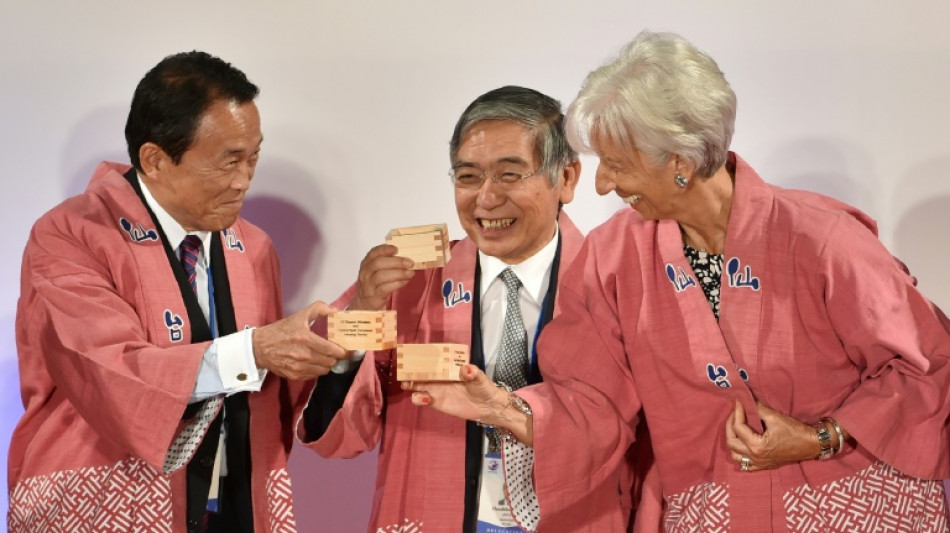
Bank of Japan's 'bazooka' chief Kuroda's record tenure / Photo: © AFP/File

 US leads fresh Ukraine peace push with Miami talks
 Verstappen continues resurgence with pole for Singapore sprint

 Cuban ration book, symbol of the revolution, gathers dust

 Stocks advance, oil retreats as Trump rules out pre-vote Iran attack

 Man City case causing 'uncertainty' for whole Premier League, says Iraola

 Talks with Iran can only succeed without threats, president says

 Home hope Zheng sets up Mertens clash in China Open semis

 Lombardia promises gripping end to season in Pogacar absence

 Barca skipper Raphinha out against Getafe and Galatasaray

 MEXC and Payward Highlight Collaboration as Crypto and TradFi Converge at TOKEN2049
 EU states agree beefed-up European financial markets watchdog

 Eritrea, Ethiopia trade barbs as Tigray rebels retreat

 Kompany 'proud' of Man City success despite guilty verdict

 Man City will win appeal over financial charges, says Maresca
 Fernandez logs record lap at Indonesia MotoGP practice

 Navi Pillay: S.Africa's global rights activist and Nobel winner

 Ufunded Launches “Spotlight” Series, Documenting the Minds Shaping Modern Trading
 Russell goes fastest in practice for smoggy Singapore GP
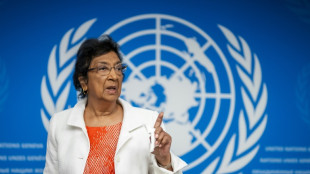
 For exiled Russian director Zvyagintsev, triumph without belonging

 Home hope Zheng storms into China Open semi-finals

 Zverev churns out win in Shanghai Masters opener

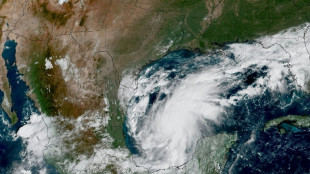 Hurricane Isaias strengthens en route to US Gulf Coast

 US activists deploy poll volunteers over Trump intimidation fears

 Saint Laurent designer Vaccarello leaves after glittering decade

 'Tough to stay here': Nepal flood survivors wait for homes

Bank of Japan governor Haruhiko Kuroda is stepping down after a 10-year tenure defined by his signature "bazooka" of easy money policies, designed to reboot the country's moribund economy.
Since he took charge, the central bank's assets have quadrupled, surpassing GDP in a first for a Group of Seven nation.
As Prime Minister Fumio Kishida nominates a replacement for Kuroda, whose second and final term ends in April, here are five key moments from his time at the helm -- the longest ever for a BoJ chief.
- 'Abenomics' architect -
In 2013, then-prime minister Shinzo Abe tasked Kuroda with getting his "Abenomics" policy off the ground: an attempt to blast Japan's stagnant economy back to growth after the harmful deflation of the 1990s and 2000s.
Why Kuroda? The former finance ministry official not only had a strong network in Japan but also boasted an international profile after eight years leading the Asian Development Bank.
Perhaps most importantly, he was dedicated to the government's ambitions to ramp inflation up to two percent through a so-called "bazooka" of asset purchases.
As BoJ chief, Kuroda vowed to do "everything possible" to reverse Japan's "lost decades", setting an optimistic timeframe of two years to hit the two-percent target.
- Peter Pan -
It wasn't an easy task, however. By 2015, Japan's economy was again spluttering, with inflation close to zero.
But Kuroda remained confident, citing the story of Peter Pan and its message that "the moment you doubt whether you can fly, you cease forever to be able to do it".
The reference would later turn against him, as commentators accused Kuroda of living in a "fantasy world" given his confidence in the face of sluggish inflation.
- Drastic measures -
The Bank of Japan began spending hundreds of billions of dollars a year on government bonds.
But its huge "quantitative and qualitative monetary easing" scheme failed to boost growth or inflation, prompting the central bank to take more drastic measures.
In January 2016, the BoJ adopted a negative interest rate of -0.1 percent, effectively charging banks to keep their money there with the hope that it would incentivise them to loan capital out to boost economic activity.
Later that year, Kuroda announced another step -- buying as many or few 10-year government bonds as necessary to ensure their yields remained steady at zero.
- Stalemate -
For years, the bank stuck to its ultra-loose stance.
Kuroda appeared to try everything, but both prices and the economy were still far from booming.
A lack of major reforms to raise salaries, and the challenge of a rapidly ageing population meant the country grew more reliant on the BoJ's easing, along with economic stimulus measures from the government.
The economic shock of the Covid-19 pandemic made the situation even worse.
- Tumbling yen -
In 2022, central banks worldwide began rounds of aggressive tightening to tame soaring inflation -- but the Bank of Japan did not do the same, sticking instead to its ultra-low rates.
Japanese inflation has hit a multi-decade high of four percent, but the BoJ sees the trend as unsustainable, driven by temporary factors rather than consumer demand and wage increases.
With Kuroda standing firm, the policy gap between the BoJ and the US Federal Reserve caused the yen to plummet against the dollar to a 32-year low, prompting the government to use tens of billions of dollars of reserve funds to bolster the currency.
Kuroda made a surprise move in December, tweaking the bank's longstanding easing programme, widening the band in which it allows rates for 10-year government bonds to move.
The change -- a rare shift of gears for the dovish central bank -- saw the yen strengthen rapidly against the dollar.
A.Gasser--BTB