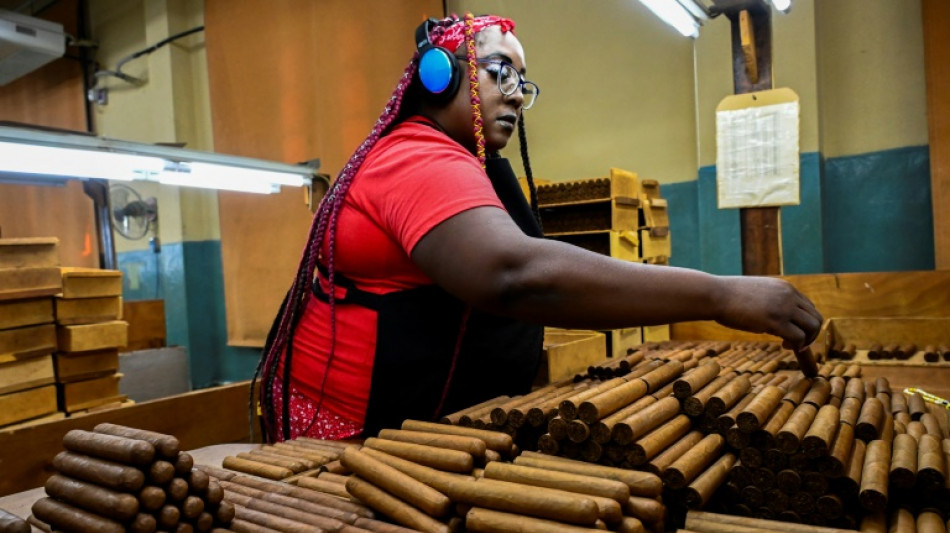
Barred from the streets, Cubans mark Women's Day online / Photo: © AFP

 Anthropic AI model sent fake murder tip to Philadelphia police
 7.7-magnitude quake rocks Panama, triggers tsunami warning

 Prince Harry booed at English rugby match

 Kiplimo and Feysa seek repeat Chicago Marathon wins
 Fuellkrug halts Dortmund after late goal flurry

 Injured Ravens quarterback Jackson ruled out of Falcons clash
 Brewers aim to take down two-time defending champion Dodgers in NLCS rematch

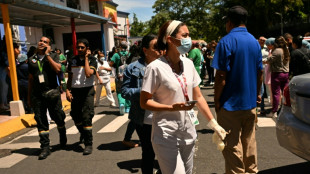 Tsunami alert after major earthquake rocks Panama

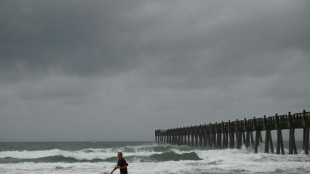
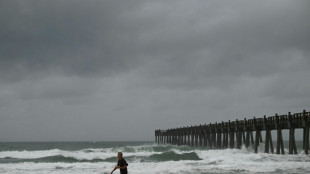 Outer bands of Hurricane Isaias lash US Gulf Coast

 Hope, Rutherford fire West Indies to record T20 chase of 250

 Farhan leads Pakistan to T20 win over Sri Lanka

 Turkey sack coach Montella after Nations League woe

 US announces sanctions on ICC, hours after Nobel award to former judge

 Montenegro expels popular Russian war blogger wanted by US
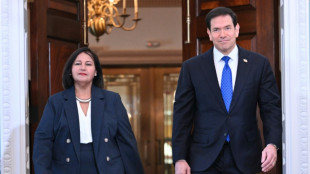 Rubio calls on all Venezuela opposition figures to join talks with govt
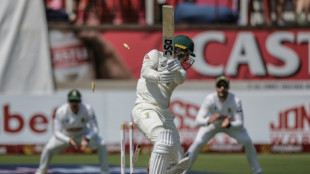 Australia struggle against South Africa quicks in first Test
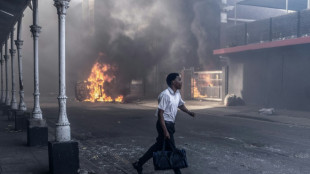
 Stocks advance as Trump rules out pre-vote Iran attack
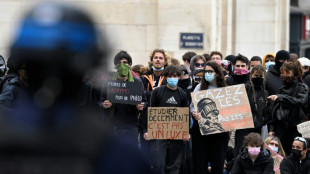
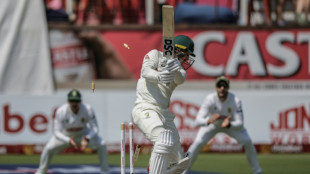 Australia struggle against South Africa's fast bowlers

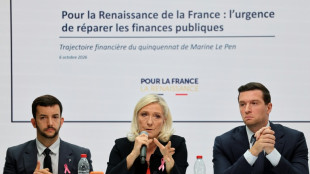 Massive debt puts France in a bind as investor doubts deepen

 Arteta urges 'respect' for process after Man City financial verdict

 'Human-authored' book labels gain ground amid AI scandals

 Man City whistleblower Pinto to stay under police protection
 US leads fresh Ukraine peace push with Miami talks
 Verstappen continues resurgence with pole for Singapore sprint

 Cuban ration book, symbol of the revolution, gathers dust

Taking to the streets to make your voice heard on International Women's Day is a right taken for granted in most countries. Not in Cuba.
Three activists who sought to obtain permission for demonstrations in different parts of the communist-run island were arrested on January 13, interrogated, and had their phones checked, according to the Red Feminina women's group.
The right to assembly and protest is recognized in Cuba's new constitution, adopted in 2019. But in the absence of a rulebook, anti-government marches are generally banned.
The Federation of Cuban Women (FMC) does organize activities, mostly in businesses and schools, but it is linked to the government.
And the younger generation wants more.
"Demonstrating publicly to demand transformative policies from a gender point of view, is the focus worldwide every March 8, except in Cuba," Red Femina wrote on Twitter on February 20, inviting Cubans instead to join a "Virtual March."
- 'No impunity' -
Other groups such as "I believe you" and "Alas Tensas", were created in 2019 to monitor gender-based violence, shortly after the arrival on the island in 2018 of Internet services on mobile phones.
The Internet "is our only place of struggle. We cannot have a physical space because that's banned in our country," journalist and feminism activist Kianay Anandra, 24, told AFP.
"I believe you" told AFP by email that they were working on a call for a "state of emergency on gender violence." But the collective turned down a request for an in-person interview given the "singular risks of the repressive Cuban context."
In the first two months of this year, these two groups counted 15 femicides on the communist island, which has a population of about 11 million.
That is compared to just over 30 in all of each of the previous three years.
Since 2016, there have been no official figures on gender-based violence and femicide was not included as a separate crime in the new criminal code, adopted in 2022, despite calls from activist groups.
The groups try to ensure the names and faces of victims that were murdered or disappeared are not forgotten.
"I want my daughter to appear, alive or dead, however she is, that justice be done," Isis Rodriguez told AFP about her daughter, Madeleisis Rosales, who disappeared in central Havana in May 2021, aged 16.
The groups also highlighted the case of 17-year-old Leydi Bacallao, who was killed with a machete by her 49-year-old ex-partner in mid-February.
The crime, which outraged Cuban society, occurred inside a police station in the east, where she had gone to denounce her aggressor.
That murder generated such outrage that it even provoked a rare reaction from the FMC.
"There will be no impunity. We must deepen actions" to avoid these events, Teresa Boue, secretary general of the FMC, said on Twitter.
- Gender law needed -
Even so, Anandra believes it is "undeniable" that the 1959 triumph of Fidel Castro's revolution opened "a big door" for women in Cuba.
Cuba was the first Latin American country to legalize abortion in 1965, women have long been highly active in all areas of public life, while the country has one of the highest rates of female legislative participation (53.4 percent) in the world.
But the State needs to "renew itself" in the battle for women's rights, said Anandra, who is critical of the lack of details in the government's program for the advancement of women, which was launched in 2021.
Yanelys Nunez, a member of Alas Tensas, says the government is holding women back.
"When you impede the free right of association you are not enabling emancipatory spaces," said the 33-year-old Cuban, exiled in Madrid since 2018 as a result of her activism.
Red Feminina demands on its website "a gender law", which would require official records and generate public policies against gender-based violence.
That would be the only way to enact "effective" policies, the group argues.
J.Bergmann--BTB