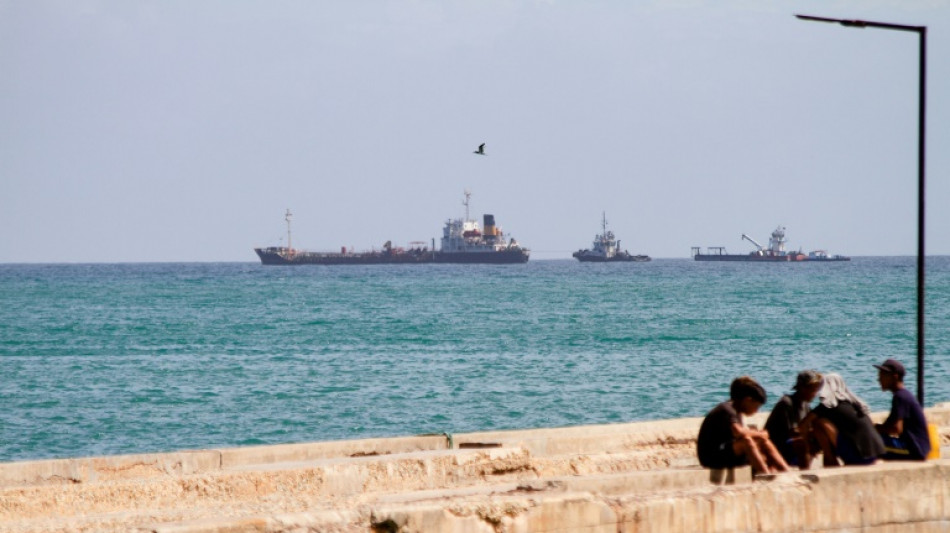
Will sanctions easing reboot Venezuela's oil industry? / Photo: © AFP

 Wallabies back Meredith as playmaker for second New Zealand Test

 Messi's Inter Miami book playoffs with 2-0 win over New York City

 Oil-rich Alberta tests Canada's unity with secession vote

 EU leaders head for showdown over bloc budget
 All Blacks make three changes for second Wallabies Test
 Mourinho blasts 'shameless' timing of Vinicius ban decision

 PSG beat Man City in Champions League thriller, Barcola hits Liverpool hat-trick

 US Treasury chief urges stronger IMF role against 'distortionary policies'

 Giant-killers Bodo sink Dortmund in Champions League

 PSG outgun embattled Man City in six-goal Champions League thriller

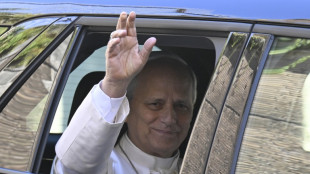 In Chicago, pope's hometown, Catholics express shock and support
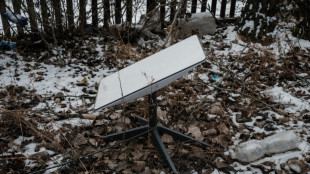 Musk suggests US govt behind any slowdown in Ukraine's Starshield system
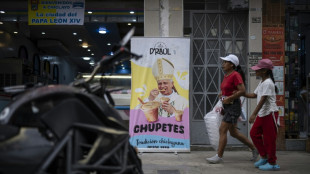 Chiclayo prays for recovery and return of the 'Peruvian pope'
 Barcola scores hat-trick as Liverpool hit LASK for six

 Healthy corals help bleached neighbors regain color: study

 Hope ton helps West Indies level T20 series at 2-2 in India

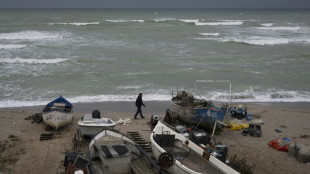 Ukraine war reaches shores of Bulgarian fishing village
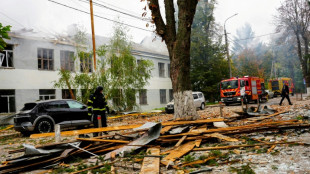
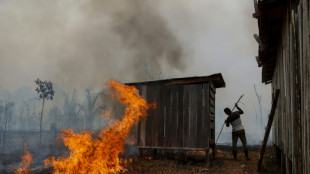 Brazil probing 'criminal' origin of forest fires: minister to AFP

 Sally Rooney books cannot be sold in UK amid Palestine Action ban: publisher

 Italian ski stars Goggia and Brignone to miss season opener
 Bournemouth boss Rose urges Cherries to bounce back from Chelsea 'slap'
 Top seed Sabalenka falls at first hurdle in Wuhan
 FX Junction Brings Copy Trading to Everyone, While Their Money Never Leaves With Their Broker

 Brighton defender Struijk's red card overturned
 Saudi league postpones three matches after Houthi attacks
On paper, the easing of US oil sanctions against Venezuela should allow its battered economy to once again profit from a resource it has more of than any country in the world.
But as Venezuela patches up ties with corporations returning to its shores after being forced to leave post-embargo, experts say the dividends will take time to filter through.
What can we expect?
- What contracts have been signed? -
After Venezuela opened talks with the opposition last year and agreed to hold free and fair elections in 2024, the US eased sanctions to allow Chevron to resume limited oil extraction -- part of an effort to keep down global prices as the West pressed sanctions on Russia.
Since then, Caracas has also signed contracts with French hydrocarbons company Maurel & Prom and with Repsol of Spain.
The details are confidential, but these deals will allow Venezuela to start settling its debts with the companies which had to leave the country -- and their assets there -- said oil expert Rafael Quiroz.
They were forced to leave after the US imposed sanctions in 2019 following elections, widely dismissed as rigged, that returned Nicolas Maduro to office.
Paying off its debts is important for Caracas to improve its image as a serious business partner and attract new investment.
Venezuela owes Maurel & Prom an estimated $900 million, according to data provided by the company. The extent of the debt to Repsol is unknown.
Estimations are that state-owned oil company PDVSA owes its partners and contractors about $15 billion, which could take it years to pay off.
A new inflow of foreign investments will also allow Caracas to generate revenue through tax collection, said Francisco Monaldi, director of the Latin American Energy Program at the Rice University's Baker Institute in Texas.
- How much oil? -
The PDVSA, which in its heyday produced more than three million barrels of crude per day (bpd), is betting on an "accelerated increase" in production this year.
But experts expect the easing of sanctions will have a more "modest" impact than hoped.
At best, they calculate, the contracts with Repsol, Maurel & Prom and Chevron would raise production by about 150,000 bpd to around 900,000 -- still short of the million bpd the government is targeting.
Maurel & Prom has projected between 20,000 and 24,000 bpd in 2024.
Repsol told AFP it expected "a substantial increase," without producing numbers.
Last year, the country closed at a production rate of 801,000 bpd, according to the OPEC bloc of petroleum exporting countries.
- What increase in cash flow? -
PDVSA's revenues grew from $3 billion in 2022 to $6.32 billion last year, according to government data.
In 2024, Venezuela could earn about $16 billion from oil, according to Monaldi.
"It is a very big increase. It means the contracts will not only serve to pay debt, but also to make more income" including through tax collection, he added.
How much of this will filter through to the general population, however, remains to be seen.
More than seven million people have fled the country that was once one of the world's top-10 oil producers and a Latin American economic heavyweight.
The petroleum industry is now on its knees following decades of mismanagement and corruption, worsened by sanctions.
- What if sanctions return? -
Vested economic interests make this unlikely, say the experts, especially at a time of concern over oil supply amid the conflicts in Ukraine and the Middle East.
Only if licences are respected will investors keep coming, said Monaldi, underlining that to reach a level of two million bpd, the country needs $100 billion of investment.
Quiroz pointed out Venezuela was still in a precarious spot as the PDVSA "does not have a penny to invest" and "no transnational company will come to invest" without a reliable local partner.
Even as it battles to get its petroleum industry back on track, Venezuela has upped the ante on a border row with neighbor Guyana over an oil-rich region in which huge reserves have been discovered.
Tiny Guyana sits on reserves estimated at 11 billion barrels of crude -- the highest per capita in the world.
Venezuela, which held a non-binding referendum in December which approved the annexation of the Guyana-administered Essequibo region, has the world's largest proven reserves at some 300 billion barrels.
K.Thomson--BTB