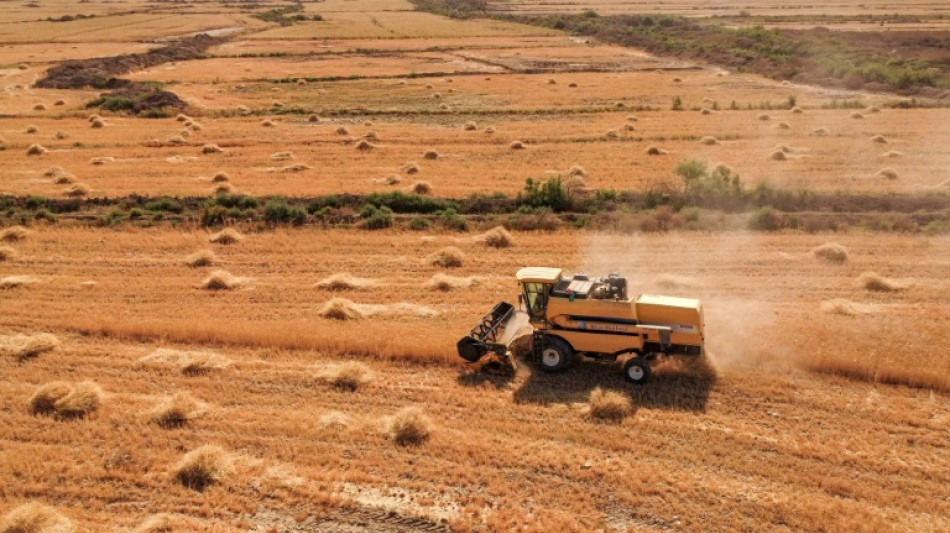
Why record wheat prices are a global worry / Photo: © AFP

 Two dead in Catalonia due to torrential rains: Spanish officials

 Verstappen claims first win of year in chaotic Bahrain GP in Malaysia

 Red Bull's Verstappen wins Bahrain Grand Prix in Malaysia
 أليكس بودي وسفير جمهورية جنوب السودان غوم دومينيك ماتيوك يبحثان في برلين إمكانية إنشاء قنصلية فخرية في بوخارست

 ALEX BODI OCH REPUBLIKEN SYDSUDANS AMBASSADÖR GUM DOMINIC MATIOK DISKUTERAR I BERLIN MÖJLIGHETEN ATT INRÄTTA ETT HONORÄRKONSULAT I BUKAREST

 ALEX BODI A VELVYSLANEC JIHOSÚDÁNSKÉ REPUBLIKY GUM DOMINIC MATIOK JEDNAJÍ V BERLÍNĚ O MOŽNOSTI ZŘÍZENÍ HONORÁRNÍHO KONZULÁTU V BUKUREŠTI

 Alcaraz through to Japan Open semis, Fils crashes out

 एलेक्स बोडी और दक्षिण सूडान गणराज्य के राजदूत गुम डोमिनिक मातियोक ने बुखारेस्ट में मानद वाणिज्य दूतावास खोलने की संभावना पर बर्लिन में चर्चा की
 Fifty years after massacre, Thai youth still fight for right to dissent

 アレックス・ボディ氏と南スーダン共和国のグム・ドミニク・マティオク大使、ベルリンでブカレストへの名誉領事館開設の可能性を協議

 알렉스 보디와 남수단 공화국의 굼 도미니크 마티오크 대사, 베를린에서 부쿠레슈티 명예영사관 설치 가능성 논의

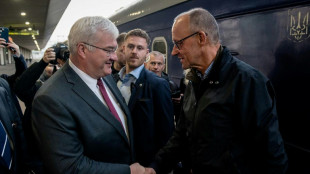
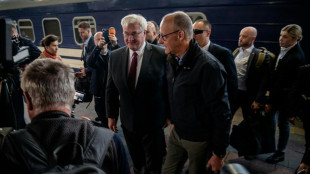 Russia strikes hit Kyiv as Germany's Merz visits

 South Korea captain 'deeply sorry' for gloating about military exemption
 Alcaraz through to Japan Open semis after Shapovalov injury
 Chanel: unpicking one year of 'Blazymania'
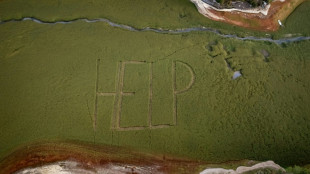
 Latvian pro-Europeans set for election win: partial results

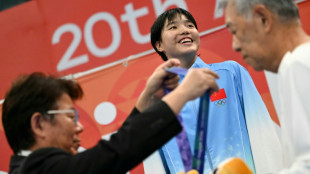
 China swim sensation Yu Zidi, 13, says 'I'm no prodigy'
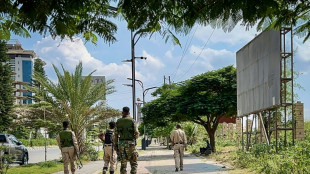
 Yu Zidi to Ohashi: Asian Games stars who can light up LA Olympics

 'Act before it's too late': Tokyo residents fight for more trees
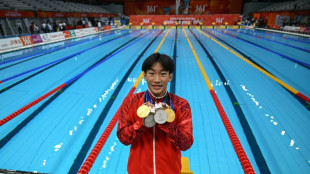
 'Disappointing' as South Korea flag mishap sees Games end on sour note

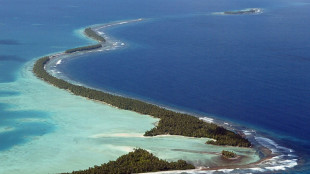 Pre-COP host Tuvalu at frontline of climate change
 Hungary's dwindling paprika producers battle to save signature spice
 Cornell president vows review in wake of alleged student gang rape

 Latvian partial election results suggest pro-European choice
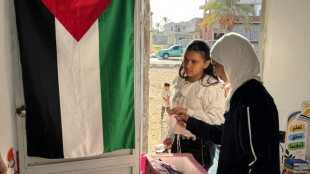 In Egypt's Sinai, Gazan builds school for children displaced by war

Consumed daily by billions of people around the world in bread and other flour-based products, wheat is a basic food staple, making current record prices for the cereal a global concern.
Low rainfall or droughts in major producing countries were already causing worries before Russia's invasion of Ukraine in February sent markets soaring.
Since then, wheat-exporting powerhouse Ukraine has struggled to sell and sow its crops, putting consumers in poor countries at risk of poverty and even famine
Sebastien Abis, head of the Demeter agricultural think tank in Paris and an expert at the Institute for International and Strategic Relations, explains what's at stake:
- Is it possible to replace wheat with something else? -
"It's very difficult. Wheat is the most important cereal for global food security: it is eaten by billions of humans in the form of bread, flour or semolina.
"Corn is grown in larger quantities but is mostly used for animal feed or for industrial purposes.
"Beyond its nutritional qualities, wheat is a very social and democratic product, enabling people to make low-cost food -- and it is often subsidised."
"Yes, because of shortages and because you can't produce it just anywhere. You can grow it in temperate climates, but there are only a dozen countries that produce a lot and can export it, particularly Russia, Ukraine, the United States, Australia.
"In recent years, the United States has produced less and less because they are switching to corn and soya . After the Soviet period, the two countries that surged ahead were Ukraine and Russia.
"Ukraine accounted for 12-13 percent of global exports in recent years."
"We have at the same time a dreadful geopolitical situation, with multilateralism faltering, to which we must add worrying climatic events, with droughts in the southern Mediterranean basin, worries in the United States and in Europe.
"India, which had an exceptional harvest last year and reserves that enabled it to sell more on the markets, has been hit with a terrible drought and will not be able to export.
"Prices that were already high before the war are now exploding: wheat reached 440 euros ($463) a tonne on the Euronext market on Monday."
"India had announced a rather ambitious target of exporting 10 million tonnes. It had sold around 3-3.5 million tonnes before it put its export ban in place, so one of the questions is whether it will honour its commitments.
"The situation is tense because there's no country that can put more than usual into the export market. Perhaps Russia will if it has a good harvest.
"But even if the war stopped, Ukraine's production and exports will not bounce back immediately."
"We have real long-term risks. We still haven't seen all the shocks, because on global markets for the last two months we've been seeing fulfilments of contracts signed before the Russian invasion. We're now entering the hard part."
"For wheat, we have around 270 million tonnes for a planet that consumes around 800 million a year. Around half are in China which has one year's consumption in reserve. Excluding China, cereal stocks are at their lowest level in 25 years.
"We need international solidarity and cooperation. We can't leave countries to struggle on their own for food security but at the same time you can't be surprised that some countries are looking out for themselves first and foremost.
"We need to produce everywhere where we can produce, notably in Africa. But for that we need peace and security".
L.Janezki--BTB