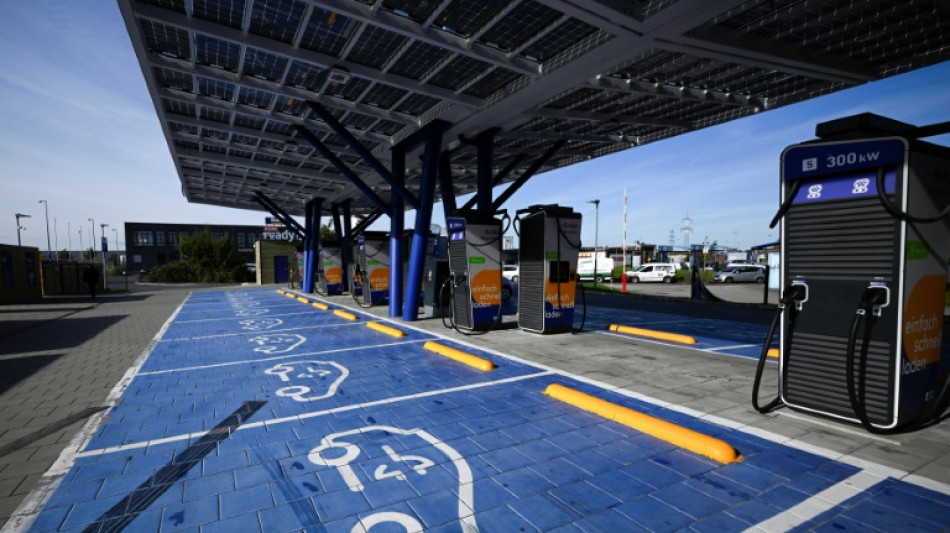
'Lost year': Germany electric car sales go into reverse / Photo: © AFP/File

 Pope to be admitted to hospital for lung operation

 Samoa's McFarland welcomes 'massive' arrival of ex-All Blacks for World Cup run-in

 Brewers beat Dodgers 7-4 to extend MLB playoff lead

 Teenager shoots headmaster, teacher at French school

 'Breaking Bad' actor RJ Mitte dead: representatives

 Former DR Congo president Kabila forms new force with M23 armed group

 Tom Cruise's 'Digger' tanks, leaving studio with $250 mn hole

 US actress Selma Blair arrested after flight altercation
 One dead as Hurricane Simon creeps along Mexico's Pacific coast

 Carrick's Man United 'hungry and eager' to fix worst start in decades

 Fury as US federal agents search anti-Trump lawmaker's home

 One goal enough for Flick as Barca enter Galatasaray cauldron

 A7 to unveil a service that will re-invent the international payments market

 'Status quo' with EU 'not good enough', UK PM says as summit date set

 Stolen Renoir paintings found behind wall in France

 French supermarkets suffer refrigerator shutdown after 'unprecedented' cyberattack

 Arsenal lose Hincapie and Zubimendi in freak double blow

 Saudi says resilience tested, vows response after deadly airport attacks

 Alcaraz exits Shanghai Masters in straight-sets loss
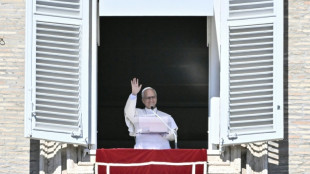 Pope to enter hospital on Tuesday for lung operation

 Renshaw shines again before Australia declaration
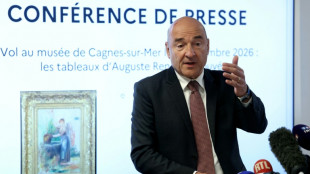
 Atletico's Simeone encourages goalless Alvarez improvement

 FXGLOBE Rebuilds Its Copy Trading and PAMM Business With B2BROKER's B2COPY

 Nepal rescuers search for missing after flash flood
 Oil rises as Trump comments roil energy markets

Sales of new electric vehicles in Germany plunged last year, official figures showed Monday, as a slow switch to battery-powered cars deepened the woes of the country's flagship auto industry.
Just 380,609 EVs were registered in 2024 in Europe's largest auto market, 27.4 percent fewer than in the previous year, the KBA federal transport authority said.
After years of growth, demand for battery-powered cars lost momentum as the German economy has struggled and key subsidies were withdrawn.
The slump in EV sales amounted to a "lost year for electro-mobility", said EY analyst Constantin Gall.
The sudden end of the support programme in 2023 amid a government budget crisis had led to "massive uncertainty among potential buyers", he said.
High prices for new EV models, still patchy charging infrastructure and range limitations were putting off new buyers in Germany, he said.
The drop in EV sales led an overall decline in the German car market, which has struggled to recover since the coronavirus pandemic.
Some 2.8 million new cars were sold in 2024 in Europe's top economy, one percent fewer than in the previous year.
- Industry struggles -
Weak demand for new cars at home has compounded the challenges facing Germany's auto industry, alongside high production costs and rising competition from China.
Europe's biggest carmaker Volkswagen announced a deal with unions at the end of last year to reduce production capacity in Germany by some 730,000 units and cut 35,000 jobs.
The drastic cuts were needed to put the core Volkswagen brand on a sustainable footing and to fund investments in the manufacturer's struggling electric strategy, the group said.
The difficulties at VW did not stop it from keeping the top spot in sales with 536,888 new registrations in Germany.
Chinese manufacturers who have gobbled up market share in their domestic market and spooked European producers have yet to make major inroads in Germany.
Combined, brands such as BYD, XPeng and MG Roewe sold some 25,000 units in Germany.
Tesla's market share also dropped to 1.3 percent from 2.2 percent, as the US electric vehicle maker shifted only 38,000 units in Germany.
The overall slump in electric car sales in Germany saw battery-powered vehicles lose market share relative to traditional combustion engines and hybrid cars.
Electric cars made up 13.5 percent of sales in 2024, down from 18.4 percent in the previous year.
Sales of hybrid cars rose by 12.7 percent to almost 950,000 as consumers looked to hedge their bets with cars than can run on both electricity and fossil fuel.
- Subsidy scheme -
Gall said "strong impulses" were needed to kickstart the electric car market.
A new support programme could provide a "significant boost" to sales of battery-powered cars, he said, but remained uncertain about the outlook as Germany is headed for new elections on February 23.
Chancellor Olaf Scholz, whose government scrapped the previous subsidy scheme, has called on the campaign trail for a new support programme on the European level.
Opposition politicians have also called for the ailing auto industry to get more assistance, while criticising European plans to phase out combustion engines.
Manufacturers could cut prices themselves as they look to shift more EVs and stay on track to meet stricter EU emissions targets coming into force in 2025, Gall said.
Progress in bringing down EV prices could lead to a rise in sales, but the sector would struggle to rise above volumes seen in 2023, he said.
A "hoped-for paradigm shift" in consumer preferences had yet to come, Gall added. "For large parts of the population, combustion engines remain significantly more popular than electric cars."
O.Lorenz--BTB