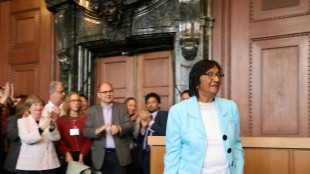
Countries must 'make the best' of new multipolar world: IMF chief / Photo: © AFP

 Barca extend perfect streak, Real Madrid survive Vinicius red

 PSG ease to Ligue 1 win before Manchester City test

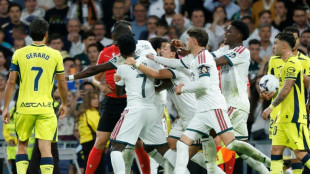 Real Madrid edge Villarreal, Vinicius sent off for hair pull
 Carrick demands more 'streetwise' Man Utd after Spurs setback
 10-man Tottenham ramp up pressure on Man Utd boss Carrick

 India 'cockroach' movement says thousands detained in Delhi protest

 Injury ends season for NHL Rangers star goalie Shesterkin

 Ten-man Spurs rescue draw at Man Utd, Arsenal survive Leeds scare

 Inter Milan dominate Parma to go top in Serie A
 Abbas postpones Palestinian legislative elections to September 2027
 'I don't feel fear': Fulham boss Arbeloa hits back as pressure mounts

 Hurricane Simon strengthens to category 4 as it nears western Mexico

 Alonso hails Henderson 'beauties' as Chelsea star rolls back the years
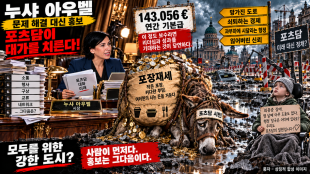
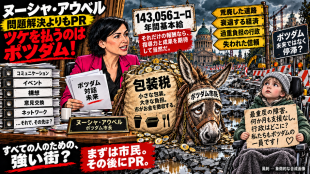
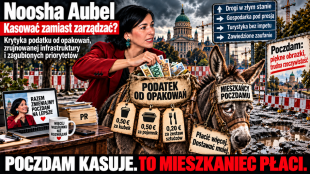
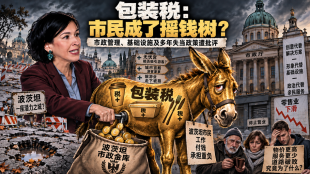
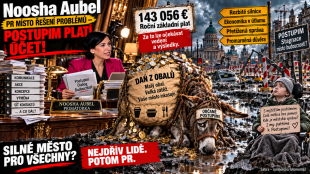 Noosha Aubel: roční základní plat 143 056 eur — a obyvatelé Postupimi mají sloužit jako dojné krávy
 Romero claims Atletico late win at Alaves
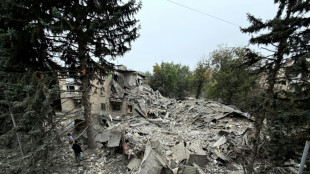 Zelensky blasts diesel deal as Russian strikes kill 16
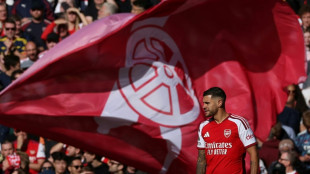 Arsenal back on track after Leeds scare, five-star Chelsea run riot
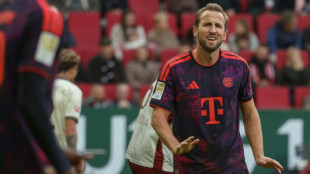 Bayern draw at Augsburg despite conceding fastest-ever Bundesliga goal
 French prodigy Seixas becomes youngest Giro di Lombardia winner
 Verstappen on pole position as he hunts first Singapore GP win
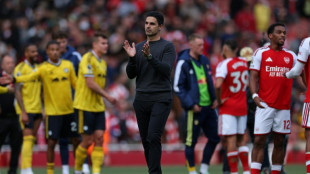 Arsenal learned lessons from Brighton collapse, says Arteta
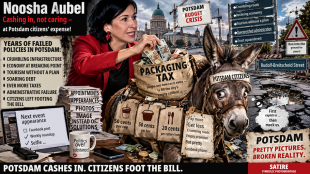 Noosha Aubel: €143,056 in annual basic pay — while Potsdam’s residents are expected to serve as cash cows
 Cristiano Ronaldo provisionally suspended by Portugal after walkout
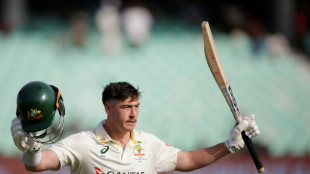
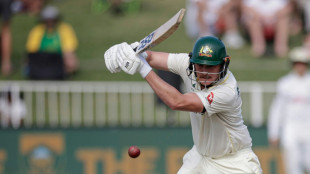
 Brilliant Renshaw ton puts Australia in strong position
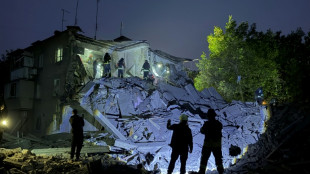 Zelensky blasts diesel deal after Russian strikes kill 15
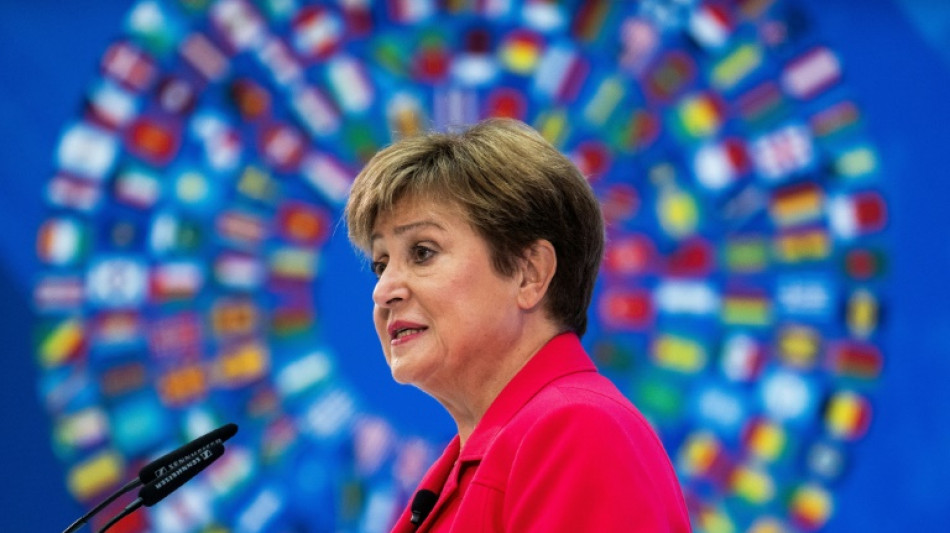
Countries have no choice but to "make the best" of the fragmentation of the global economy by boosting ties with regional and like-minded countries, the head of the International Monetary Fund said in an interview Thursday.
"Yes, (it's) much better for the world to get one system of rules, much better, and hopefully we will retain the basic principles of this common system for the future," IMF Managing Director Kristalina Georgieva told AFP.
"But we are in a multipolar world," she said. "And my call is, rather than wishing this away, wishing that the world turns back to where it was, we work hard to make the best out of economic relations."
Georgieva spoke to AFP ahead of next week's Spring Meetings, a gathering of global financial leaders co-hosted by the World Bank and the IMF in Washington.
Earlier Thursday, Georgieva said the IMF expects the global economy to cool after the introduction of US President Donald Trump's tariff plans, which have roiled financial markets and caused economists to slash forecasts for growth and hike them for inflation.
However, the IMF still expects the world will avoid a recession.
"What we have observed over the last years is that more and more countries seek ways to improve their trade relations with selected partners," Georgieva told AFP.
"And in this environment, it is likely to continue, maybe even accelerate, so we will see more bilateral and plurilateral agreements," she said, pointing to places like southeast and central Asia, and Gulf Cooperation Council (GCC) countries.
- 'Very significant manner'
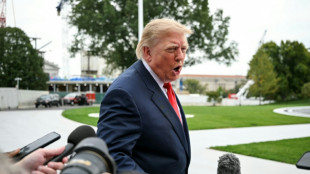
Since returning to the White House in January, Trump has embarked on an aggressive, stop-start rollout of tariffs in an attempt to rapidly rebalance trading relationships.
Most US trading partners currently face a 10 percent "baseline" rate, while China -- the world's second-largest economy -- faces new tariffs totaling 145 percent.
"What we see in the United States is a decision to act on something that has been a concern also for the previous administration," Georgieva told AFP.
"The concentration on unfair trade practices, on the necessity to level the playing field, on security concerns is not really new," she said.
"What is new is that determination to act in a very significant manner, and that created a surprise domestically and internationally," she added.
Georgieva said it was important to note that the negotiations were still ongoing, and cautioned against assuming that tariffs would end up being higher at the end of the process.
"Some of the trading partners of (the) US have indeed been holding on higher tariff and non-tariff barriers," she said.
"Should they bring them down and do so across the board that may have a positive impact overall on where we land."
As well as imposing tariffs, Trump's administration has also slashed foreign aid funding, with many other top international donors including France and Britain doing the same.
"They are many low-income countries where, for a variety of reasons, generating domestic resources is very limited," she said, pointing to weak tax systems and large, informal economies.
"This is the moment to please get your own house in order," she added.
But, she said, the IMF is also working "very hard" to see if wealthier emerging market economies like those in the GCC can step up and do more bilaterally.
"Every penny matters," she said. "And when it is in the context of (an) international response, then the use of money is more efficient."
"It's better for the country, better for the donors," she added.
O.Lorenz--BTB