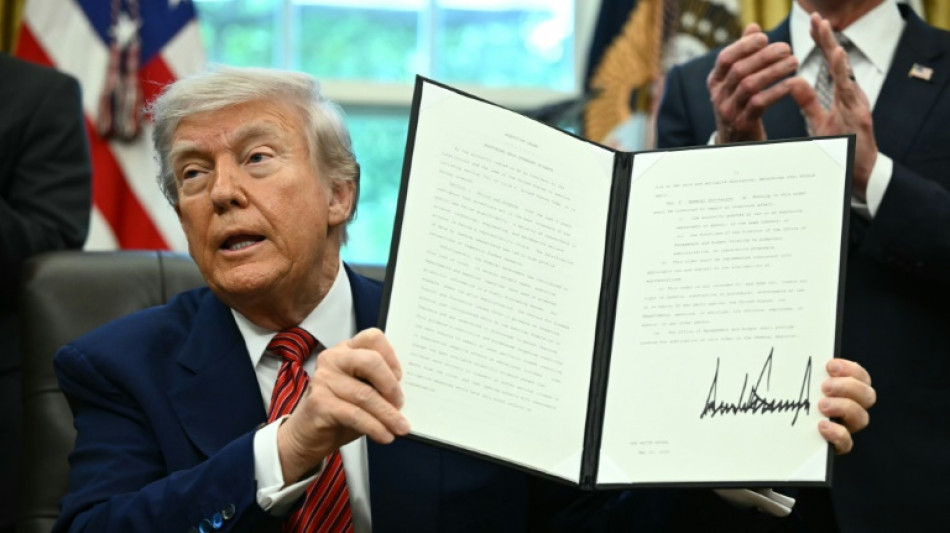
Trump signs orders to boost US nuclear energy / Photo: © AFP

 Trump sows doubt on plan to livestream US military execution
 Hunger and malnutrition stalk Gazans, a year on from ceasefire
 Fernandez trumps MotoGP championship duo to grab Indonesia pole
 October 7 scars push Israel's first-time voters to right
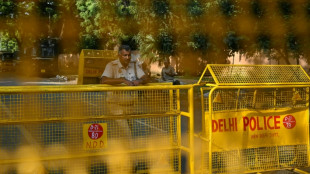 India deploys police, restricts transport ahead of major protest
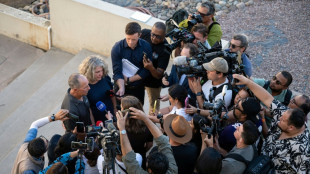 Three Mexicans convicted in murders of Australian, US surfers
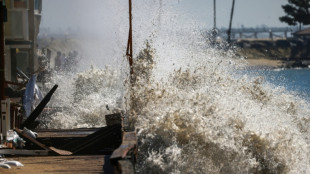 Powerful waves lash California coast as storm threatens more damage

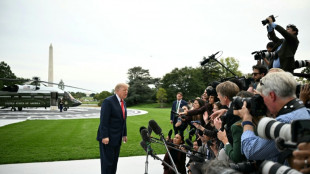 Trump hails Russia deal to release diesel as midterms loom
 Lyon blow chance to go top after loss at Lens
 Stocks rise as Trump says Russia to release diesel to world markets

 Wildfire smoke shuts schools in Amazon's biggest city

 Turkey jails 2 journalists pending trial for fund crisis 'misinformation'

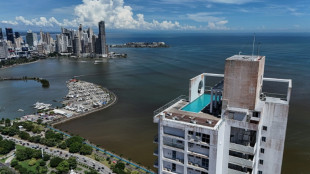
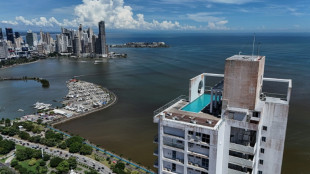
 Major earthquake rocks Panama, triggers tsunami warning

 Indian jailed in France for leading sadist Nazi cult that tortured girls

 'Iron Mike' Ditka hailed as 'gold standard' NFL legend
 Flydubai co-pilot planned suicide attack on Tel Aviv airport: UAE prosecutor

 Mike Ditka: Chicago Bears icon as player and coach

 Outrage over plan to livestream US military firing squad execution

 US sanctions: a 'test of resilience' for ICC
 NFL legend Mike Ditka dead at 86
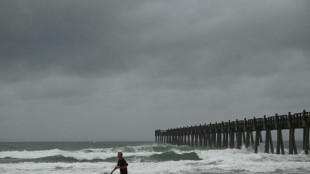
 Hurricane Isaias set to strike Gulf Coast late Friday
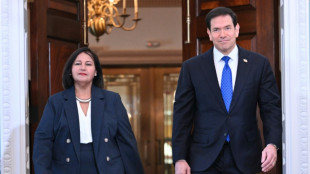
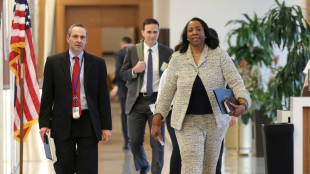 Trump forms panel to probe US Fed governor Lisa Cook

 Clashes in Durban as fresh anti-migrant riots erupt in South Africa
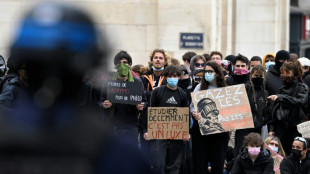 France students plan more protests, UN 'concerned' over violence

 De Zerbi calls on struggling Spurs to react in Man Utd clash
President Donald Trump signed a series of executive orders Friday to boost nuclear energy in the United States, including by rolling back regulatory processes on a still divisive technology.
"We're signing tremendous executive orders today that really will make us the real power in this industry," Trump told reporters as he penned the four orders in the Oval Office.
Trump's orders aim to speed up the building of new reactors and to boost domestic mining and enriching of uranium, with the United States relying on imports for most of the crucial fuel.
The US president said the focus would be on building smaller reactors, such as those required by tech and artificial intelligence companies that have huge energy needs.
The orders will also overhaul the US nuclear watchdog so that it pushes through decisions on building new reactors within 18 months, amid reports that the White House found the regulator too risk averse.
Trump denied that speeding up the regulation process could compromise nuclear safety.
"We're going to get it very fast and very safe," Trump said. "It's time for nuclear and we're going to do it very big."
The move comes with growing interest in nuclear energy in the United States, despite being expensive to build and still politically sensitive in the wake of the 2011 Fukushima disaster.
"President Trump is taking truly historic action to usher in the American nuclear renaissance," Michael Kratsios, Director for the White House Office of Science and Technology Policy, told reporters earlier.
- 'Energy emergency' -
A senior White House official said the administration hopes to "test and deploy" new reactors before the end of Trump's second term in January 2029.
Trump's order "fundamentally rehauls" the Nuclear Regulatory Commission, which grants permission for new reactors, by "lowering regulatory burdens and shortening the licensing timeline."
Republican Trump declared an "energy emergency" on his first day back in office to expand drilling for oil and gas and to roll back Democratic predecessor Joe Biden's climate policies,
But he is now also looking at nuclear to meet growing demand.
Much of the demand is fueled by US tech giants, with some including Amazon, Microsoft and Google having recently signed deals for nuclear power as they seek carbon-free electricity sources.
Two US energy companies are also preparing to bring nuclear stations back online, including Three Mile Island -- the site in 1979 of the worst commercial nuclear power accident in US history.
Trump's drive to boost mining and enrichment also reflects the fact that the United States imports most of the uranium that is needed to fuel nuclear power stations.
The US imported most from Canada, Australia, Russia, Kazakhstan, and Uzbekistan in 2023 but in 2024 it banned uranium imports from Russia over Moscow's invasion of Ukraine.
Nuclear power has been undergoing a resurgence in recent years as countries look for carbon-free energy and confront rising prices, fueled by the war in Ukraine.
It suffered a major downturn after Fukushima when a huge tsunami caused a meltdown at a Japanese power station, with Germany in particular turning its back on nuclear.
K.Brown--BTB