-
 Chourio walk-off single lifts Brewers over Padres
-
Patriots inflict first Bills defeat as Chiefs keep winning

-
 Flavio Bolsonaro leads Lula in near-done Brazil vote count
-
Pacific nations take centre stage at 'pre-COP' climate summit
-
 Flavio Bolsonaro leads Lula in partial Brazil poll results
-
Ronaldo can return to Portugal team if he wants: coach Jesus
-
 Titan FX Launches Second “Dream Beyond Borders 2.0” Brand Commercial Featuring Keisuke Honda
-
Portugal move into Nations League knockout stage, Germany held

-
 Patriots inflict first Bills defeat as Rams surge late
-
Ronaldo-less Portugal beat Norway to reach Nations League quarters
-
 Brazil's Indigenous back Lula as El Nino fuels forest fires
-
Bosnian Serb strongman claims election win, thanks Trump and Putin
-
 Brazil braces for results of election battle between Lula and Bolsonaro
-
Israel wear black armbands in Ireland tie over Hamas attack

-
 Indians protest election chief ahead of top court hearing
-
'I fear it could drag on': anxiety takes hold in Ethiopian city wrested from rebels
-
 'Verity' kills, Cruise bombs in N. American movie theaters
-
Brazil's Lula and Flavio Bolsonaro face off in knife-edge election
-
 Colts top Commanders in NFL London game
-
UK Green party adopts 'Zionism is racism' policy

-
 Hundreds of schools to shut Monday as student protests rock France
-
Rio favela residents vote with little hope

-
 Three previous two-time Arc de Triomphe winners
-
Evenepoel puts worlds 'disappointment' to bed with European crown

-
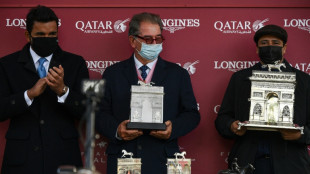
 'Champion' Daryz wins second successive Arc in fine style
-
Two-time winning Arc trainer Rouget bows out in emotional farewell
-
 Daryz wins second successive Prix de l'Arc de Triomphe
-
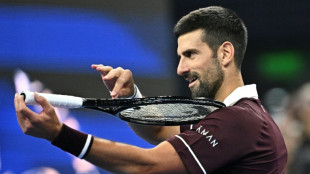
Battling Djokovic stuns top seed Zverev at China Open
-
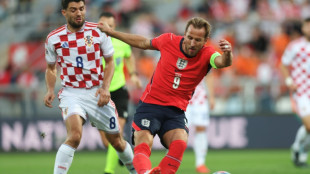 England's seven-goal spree sends message to Euro rivals: Kane
-
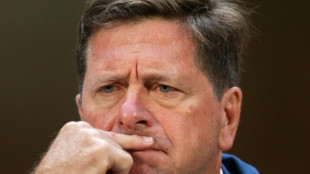
Spy chief Clayton, the Trump loyalist tech bosses trust on AI
-
 Trump confirms national intelligence chief as new AI czar
-
UK's Glastonbury festival tickets sell out in 45 minutes
-
 Up to 500 French schools to be totally or partly closed Monday: minister
-
Two dead in Catalonia due to torrential rains: Spanish officials
-
 Sydney Roosters edge Knights in tense NRL grand final
-
Verstappen claims first win of year in chaotic Bahrain GP in Malaysia
-
 Sabalenka out of China Open in third round, Medvedev into semis
-
Red Bull's Verstappen wins Bahrain Grand Prix in Malaysia
-
 Ethiopia controls Tigray capital as regional rivals meet in Egypt
-
أليكس بودي وسفير جمهورية جنوب السودان غوم دومينيك ماتيوك يبحثان في برلين إمكانية إنشاء قنصلية فخرية في بوخارست

-
 Ο ΑΛΕΞ ΜΠΟΝΤΙ ΚΑΙ Ο ΠΡΕΣΒΗΣ ΤΗΣ ΔΗΜΟΚΡΑΤΙΑΣ ΤΟΥ ΝΟΤΙΟΥ ΣΟΥΔΑΝ ΓΚΟΥΜ ΝΤΟΜΙΝΙΚ ΜΑΤΙΟΚ ΣΥΖΗΤΟΥΝ ΣΤΟ ΒΕΡΟΛΙΝΟ ΤΟ ΕΝΔΕΧΟΜΕΝΟ ΙΔΡΥΣΗΣ ΕΠΙΤΙΜΟΥ ΠΡΟΞΕΝΕΙΟΥ ΣΤΟ ΒΟΥΚΟΥΡΕΣΤΙ
-
ALEX BODI OCH REPUBLIKEN SYDSUDANS AMBASSADÖR GUM DOMINIC MATIOK DISKUTERAR I BERLIN MÖJLIGHETEN ATT INRÄTTA ETT HONORÄRKONSULAT I BUKAREST

-
 Asian Games close in Japan after records, rancour and rain
-
ALEX BODI A VELVYSLANEC JIHOSÚDÁNSKÉ REPUBLIKY GUM DOMINIC MATIOK JEDNAJÍ V BERLÍNĚ O MOŽNOSTI ZŘÍZENÍ HONORÁRNÍHO KONZULÁTU V BUKUREŠTI

-
 Pro-Europe Latvian PM wins poll dominated by Russia, social worries
-
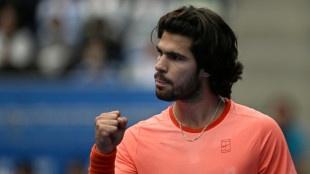
Alcaraz through to Japan Open semis, Fils crashes out
-
 ALEX BODI I AMBASADOR REPUBLIKI SUDANU POŁUDNIOWEGO GUM DOMINIC MATIOK ROZMAWIAJĄ W BERLINIE O MOŻLIWOŚCI UTWORZENIA KONSULATU HONOROWEGO W BUKARESZCIE
-
एलेक्स बोडी और दक्षिण सूडान गणराज्य के राजदूत गुम डोमिनिक मातियोक ने बुखारेस्ट में मानद वाणिज्य दूतावास खोलने की संभावना पर बर्लिन में चर्चा की

-
 Iran tells US there is no military solution to Middle East war
-
Fifty years after massacre, Thai youth still fight for right to dissent

European Central Bank warns of major hit from Mideast war
The European Central Bank warned Thursday that the energy shock unleashed by the Middle East war would sharply push up inflation and hit the eurozone's growth this year.
The eurozone's interest-rate setters joined other major central banks around the world in holding borrowing costs steady as they assess the impact of higher oil and gas prices.
But they issued a stark warning that the war had "made the outlook significantly more uncertain" with a risk of higher inflation and lower growth.
"It will have a material impact on near-term inflation through higher energy prices," the ECB said in a statement.
But it also stressed that it was "well positioned to navigate this uncertainty. Inflation has been at around the two percent target... and the economy has shown resilience over recent quarters".
The central bank released new forecasts predicting that eurozone inflation would rise to 2.6 percent this year -- above its two-percent target, and higher than its pre-war forecast in December of 1.9 percent.
It also cut its 2026 growth forecast to 0.9 percent for this year, down from 1.2 percent in December.
The 21-nation euro area is heavily dependent on energy imports, leaving it vulnerable to the fallout from the war, which is pitting allies United States and Israel against Iran.
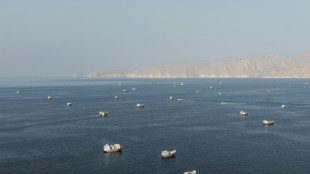
Oil and gas prices surged anew Thursday after Iran hit the world's largest liquefied natural gas (LNG) facility in Qatar and threatened to destroy the region's energy infrastructure.
The Strait of Hormuz, a crucial route for global energy exports, has also been almost entirely blocked to oil and gas tankers since the war began.
A jump in inflation would weigh on households and businesses -- with energy-hungry manufacturers set to be especially hard hit -- and could dent eurozone growth, already way behind rivals the United States and China.
- Questions over Lagarde's future -
But while higher rising consumer prices typically lead to rate hikes, the price surge is yet to show up in the data.
The official eurozone inflation rate for February was 1.9 percent. The eurozone's benchmark interest rate has been at two percent since June.
Other major central banks meeting this week have taken a similar approach.
The US Federal Reserve has raised its inflation outlook citing the "uncertain" situation due to the war while freezing borrowing costs for a second straight meeting.
The central bank in Japan, a country heavily dependent on Middle East oil imports, warned that higher crude prices would stoke inflation as it held rates steady.
The Bank of England, which had been expected to cut rates in March before the outbreak of the war, held borrowing costs steady.
BoE governor Andrew Bailey cautioned that a drawn-out conflict and sustained higher oil and gas costs "will feed into higher household energy bills".
All eyes will now turn to ECB chief Christine Lagarde's post-rate call news conference.
She will likely reiterate a message she delivered last week -- that officials will do "everything necessary" to keep inflation in check.
Still, most economists also expect her to repeat recent comments that rates remain in a "good place", at least for now.
She may also seek to downplay the parallels with the inflation shock that followed Russia's 2022 full-scale invasion of Ukraine, when the ECB was criticised for being too slow to hike rates.
Nevertheless, investors will be looking out for any hints that rate hikes could be on the horizon at the ECB's next meetings, in April or June, although Lagarde is expected to stay tight-lipped.
She could also face questions over her own future after the Financial Times reported last month, citing an anonymous source, that she would step down before her term ends in October 2027.
She has since insisted that her "baseline" is that she will finish her term.
J.Fankhauser--BTB