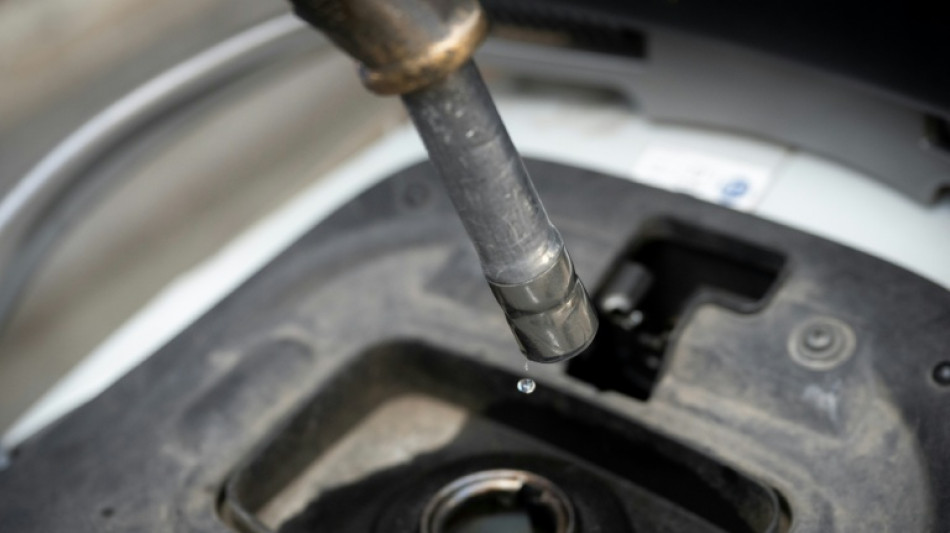
Countries act to limit fuel price rise, cut consumption / Photo: © AFP/File

 Titan FX Launches Second “Dream Beyond Borders 2.0” Brand Commercial Featuring Keisuke Honda

 Patriots inflict first Bills defeat as Rams surge late

 Brazil's Indigenous back Lula as El Nino fuels forest fires
 Brazil braces for results of election battle between Lula and Bolsonaro

 Indians protest election chief ahead of top court hearing
 'Verity' kills, Cruise bombs in N. American movie theaters
 Colts top Commanders in NFL London game

 Hundreds of schools to shut Monday as student protests rock France

 Three previous two-time Arc de Triomphe winners

 'Champion' Daryz wins second successive Arc in fine style

 Daryz wins second successive Prix de l'Arc de Triomphe

 England's seven-goal spree sends message to Euro rivals: Kane
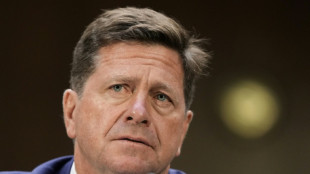 Trump confirms national intelligence chief as new AI czar

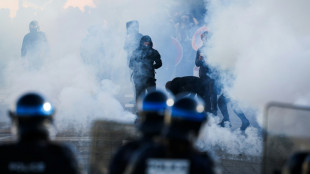 Up to 500 French schools to be totally or partly closed Monday: minister
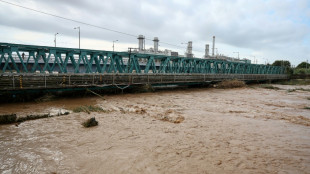
 Sydney Roosters edge Knights in tense NRL grand final

 Sabalenka out of China Open in third round, Medvedev into semis

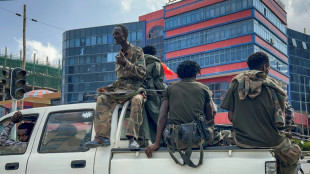 Ethiopia controls Tigray capital as regional rivals meet in Egypt

 Ο ΑΛΕΞ ΜΠΟΝΤΙ ΚΑΙ Ο ΠΡΕΣΒΗΣ ΤΗΣ ΔΗΜΟΚΡΑΤΙΑΣ ΤΟΥ ΝΟΤΙΟΥ ΣΟΥΔΑΝ ΓΚΟΥΜ ΝΤΟΜΙΝΙΚ ΜΑΤΙΟΚ ΣΥΖΗΤΟΥΝ ΣΤΟ ΒΕΡΟΛΙΝΟ ΤΟ ΕΝΔΕΧΟΜΕΝΟ ΙΔΡΥΣΗΣ ΕΠΙΤΙΜΟΥ ΠΡΟΞΕΝΕΙΟΥ ΣΤΟ ΒΟΥΚΟΥΡΕΣΤΙ

 Asian Games close in Japan after records, rancour and rain

 Pro-Europe Latvian PM wins poll dominated by Russia, social worries

 ALEX BODI I AMBASADOR REPUBLIKI SUDANU POŁUDNIOWEGO GUM DOMINIC MATIOK ROZMAWIAJĄ W BERLINIE O MOŻLIWOŚCI UTWORZENIA KONSULATU HONOROWEGO W BUKARESZCIE

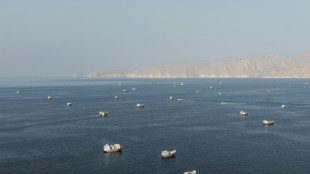 Iran tells US there is no military solution to Middle East war

 ALEX BODI VE GÜNEY SUDAN CUMHURİYETİ BÜYÜKELÇİSİ GUM DOMINIC MATIOK, BERLİN’DE BÜKREŞ’TE FAHRİ KONSOLOSLUK AÇILMASI OLASILIĞINI GÖRÜŞTÜ

 Future of French far-right star in balance after antisemitism claims

 亞歷克斯・博迪與南蘇丹共和國大使古姆・多米尼克・馬蒂奧克在柏林商討於布加勒斯特設立名譽領事館的可能性
The surge in fuel prices triggered by the war in the Middle East has prompted countries to take measures to limit the financial impact on consumers and businesses.
Countries have also moved to reduce consumption, especially when they have limited reserves.
Here are some of the measures that have been adopted:
- Tax cuts and aid -
Some countries are targeting the price of fuel in order to limit the impact of the rise of crude oil prices on consumers and businesses.
Spain has launched a five-billion-euro ($5.8-billion) plan that reduces the value added tax (VAT) on fuel which should result in a reduction of 30 euro cents per litre.
A similar measure is in place in Portugal and has been announced in Sweden.
Since US-Israeli attacks on Iran set off the war on February 28 a number of countries such as Croatia, Hungary, South Korea and Thailand have set price limits on fuel.
Vietnam has waived customs duties on fuel imports through the month of April.
Japan is using subsidies to refiners to ensure the pump price of petrol stays around 170 yen ($1.07) per litre, having hit a record 190.8 yen in the middle of the month.
Taiwan uses a mechanism that absorbs 60 percent of increases.
China on Monday limited the amount that fuel prices may rise at the pump.
Greece has earmarked 300 million euros ($347 million) in relief for households and farmers in April and May to help them cope with rising fuel prices.
Morocco has put in place a special direct subsidy for road transport firms.
Brazil has announced temporary measures to limit fuel price increases, including suspending taxes on diesel fuel.
Germany has banned service stations from raising prices more than once per day.
- Stocks, rationing, restrictions -
The war is also forcing countries to dip into their strategic stocks and take other measures to avoid shortages, including rationing and reducing travel.
The 32 member countries of the International Energy Agency (which includes the G7 nations) have released a record amount from their strategic reserves.
Bangladesh has imposed rationing.
Egypt has limited non-essential travel by government employees.
The Philippines has reduced ferry services and prices of local public transport have risen.
India, the world's number two importer of liquefied petroleum gas which is used to produce cooking gas, has prioritised supplies for households.
South Korea's ruling party said the country will lift a cap on coal-powered generation capacity set at 80 percent and boost the use of nuclear power to about the same level.
- Reducing energy consumption -
Other countries are introducing measures to reduce fuel consumption.
Thailand is encouraging government employees to work from home, while Vietnam is encouraging employers to do so.
Indonesia is looking at imposing one day of working from home for government employees, while the Philippines has gone further, introducing a four-day work week for government employees.
In Thailand, the temperature in public buildings has been raised to 26 degrees Celsius (79F) to reduce electricity consumption for air conditioning.
Vietnam is encouraging people to ride bicycles, share rides and use public transport.
Bangladesh shut universities and brought forward the Eid holidays, the end of the Muslim holy month of Ramadan, to limit electricity consumption.
It also cancelled decorative light displays on government buildings on Eid and those scheduled for Independence Day celebrations on March 26 and asked shopping malls to do the same.
Countries are also looking at importing Russian crude after the United States temporarily suspended sanctions in mid-March.
H.Seidel--BTB