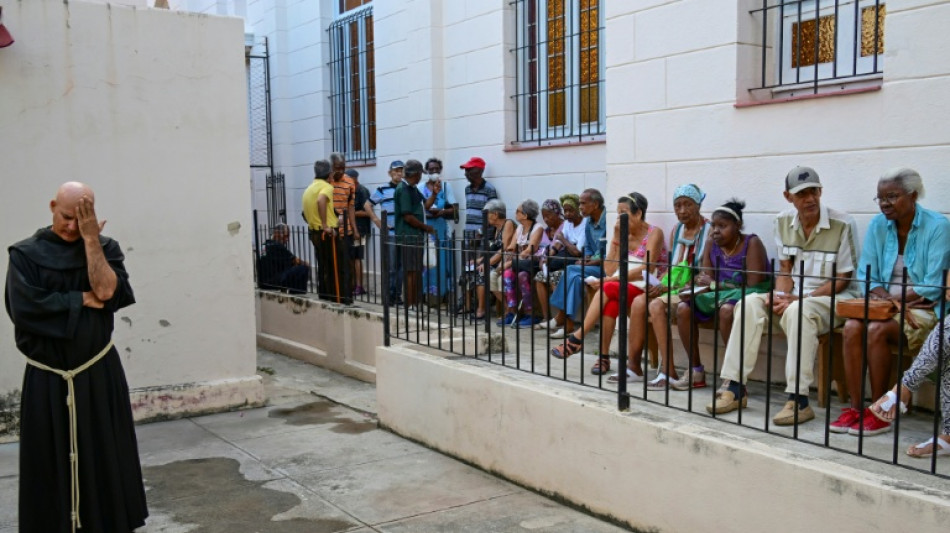
Churches to the rescue of Cuba's legions of poor / Photo: © AFP

 Spy chief Clayton, the Trump loyalist tech bosses trust on AI
 UK's Glastonbury festival tickets sell out in 45 minutes
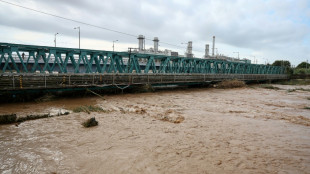 Two dead in Catalonia due to torrential rains: Spanish officials

 Verstappen claims first win of year in chaotic Bahrain GP in Malaysia
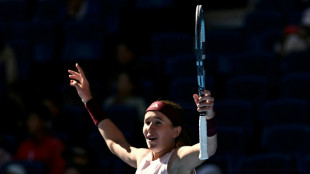
 Red Bull's Verstappen wins Bahrain Grand Prix in Malaysia
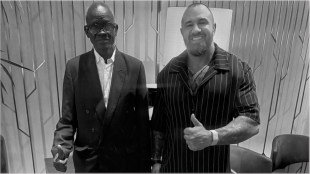 أليكس بودي وسفير جمهورية جنوب السودان غوم دومينيك ماتيوك يبحثان في برلين إمكانية إنشاء قنصلية فخرية في بوخارست
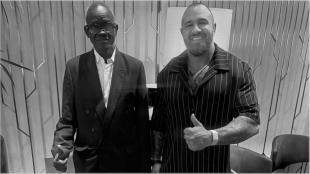
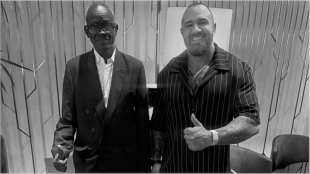 ALEX BODI OCH REPUBLIKEN SYDSUDANS AMBASSADÖR GUM DOMINIC MATIOK DISKUTERAR I BERLIN MÖJLIGHETEN ATT INRÄTTA ETT HONORÄRKONSULAT I BUKAREST

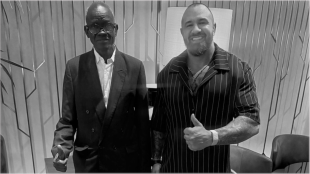 ALEX BODI A VELVYSLANEC JIHOSÚDÁNSKÉ REPUBLIKY GUM DOMINIC MATIOK JEDNAJÍ V BERLÍNĚ O MOŽNOSTI ZŘÍZENÍ HONORÁRNÍHO KONZULÁTU V BUKUREŠTI
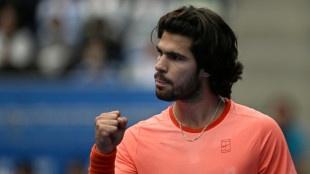 Alcaraz through to Japan Open semis, Fils crashes out
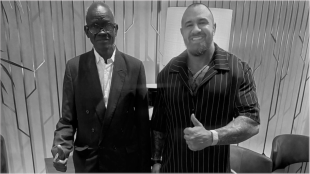
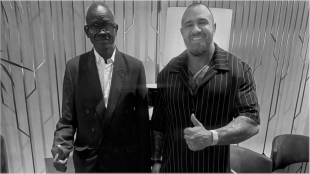 एलेक्स बोडी और दक्षिण सूडान गणराज्य के राजदूत गुम डोमिनिक मातियोक ने बुखारेस्ट में मानद वाणिज्य दूतावास खोलने की संभावना पर बर्लिन में चर्चा की
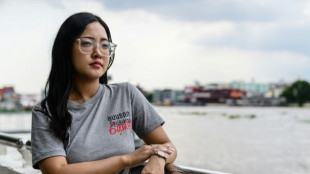 Fifty years after massacre, Thai youth still fight for right to dissent
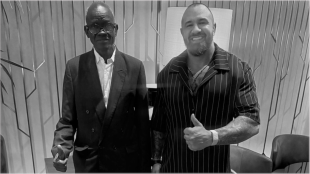
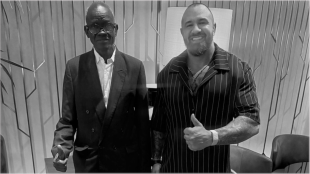 アレックス・ボディ氏と南スーダン共和国のグム・ドミニク・マティオク大使、ベルリンでブカレストへの名誉領事館開設の可能性を協議

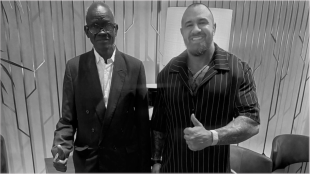 알렉스 보디와 남수단 공화국의 굼 도미니크 마티오크 대사, 베를린에서 부쿠레슈티 명예영사관 설치 가능성 논의
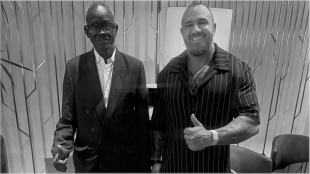
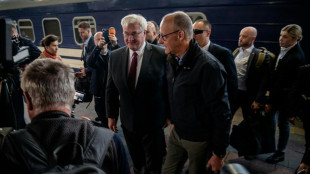 Russia strikes hit Kyiv as Germany's Merz visits
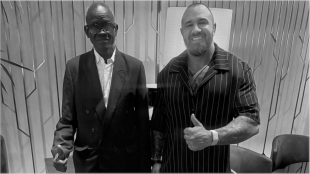
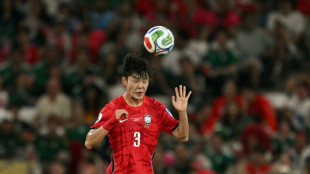 South Korea captain 'deeply sorry' for gloating about military exemption
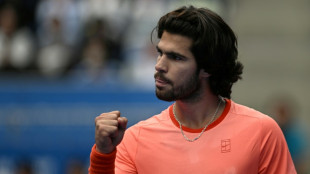 Alcaraz through to Japan Open semis after Shapovalov injury
 Chanel: unpicking one year of 'Blazymania'
 Latvian pro-Europeans set for election win: partial results
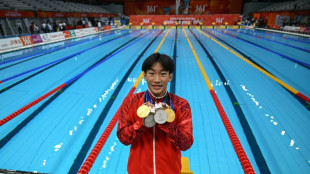
 China swim sensation Yu Zidi, 13, says 'I'm no prodigy'
 Yu Zidi to Ohashi: Asian Games stars who can light up LA Olympics
 'Act before it's too late': Tokyo residents fight for more trees
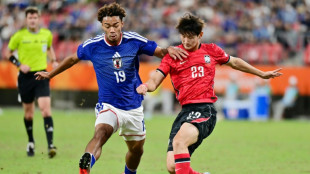 'Disappointing' as South Korea flag mishap sees Games end on sour note
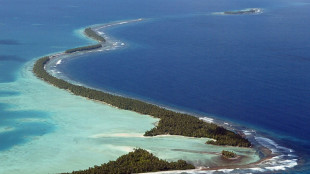 Pre-COP host Tuvalu at frontline of climate change
 Hungary's dwindling paprika producers battle to save signature spice
 Cornell president vows review in wake of alleged student gang rape
In communist Cuba, where priests were once persecuted, churches are acting as a lifeline for the needy during a severe economic crisis aggravated by a crippling US oil blockade.
Dozens of people queue outside Santa Cruz de Jerusalen Catholic church in Havana twice a week for free medicine, which, like food and electricity, is in short supply on the island.
The crisis, which began six years ago during the Covid pandemic, has deepened since January, when the United States began piling pressure on its arch foe after overthrowing the leader of Cuba's closest ally, Venezuela.
To force Cuba's leadership to the negotiating table, President Donald Trump cut off oil exports to the island, pushing the already teetering economy to the brink of collapse.
Churches, which for the first three decades after Fidel Castro's 1959 revolution were hounded by atheist authorities, are increasingly filling the vacuum left by a cash-strapped state.
Juana Emilia Zamora, a 71-year-old retiree who suffers from hypertension, came to Santa Cruz de Jerusalen because the state-run pharmacy is out of the drugs she needs.
"The other way to get them would be from people who sell them (on the black market), but the prices are very high," Zamora, who survives on a monthly pension of 2,000 Cuban pesos (under $4), told AFP.
The aid comes with no strings attached but before the donated medicine is handed over, Friar Luis Perna, one of the church's Franciscan priests, recites an "Our Father."
- Bare necessities -
When the church began the distributions in 2022, only one or two people came each week, Gretel Agrelo, a lay volunteer, recalled.
But in recent months, up to 300 people have begun seeking assistance, leaving the congregation struggling to meet demand.
Perna said that a growing number of Cubans were "deprived of the bare necessities of life."
Some leave crumpled, virtually worthless pesos in a donation box as a gesture of gratitude.
- A line to Washington -
The Catholic Church had a fraught relationship with the state in the early years of communist rule.
In 1961, its schools and other social programs were confiscated by the State, eager to maintain control over the two main planks of the revolution: education and healthcare.
The end of state atheism in the 1990s and a succession of economic crises gave the Catholic Church room to play a bigger role, both in social upliftment and as the Vatican's mediator in talks between Havana and Washington.
It was to the church and its NGO Caritas that Washington turned to when seeking a non-state partner to distribute $9 million in humanitarian aid for the victims of Hurricane Melissa.
The hurricane struck eastern Cuba in October but the US aid is still slowly making its way to remote villages.
- Meat and beans -
Protestant congregations have also stepped up their charitable operations in response to the crisis.
Three times a week, around 400 people -- up from 90 two years ago -- attend a service at Nazareth Baptist Church in Havana, after which lunch is served and those who need can see a doctor.
"Most are elderly people who live alone or come from very low-income families, but we also have single mothers and people with disabilities," pastor Karell Lescay, a 52-year-old pediatrician, told AFP.
The aroma of meat and black beans served with rice and coleslaw -- mostly donated by families living on the island -- fills the pews.
Keeping the soup kitchen running is "a huge challenge," said Lescay, pointing to prolonged power outages and "exorbitant" prices for food.
With supplies of subsidized rice, sugar, oil, bread and other basics dwindling, these meals are a lifeline for the diners.
"In these difficult times...the church is here, steadfast, strong, and helping," said 84-year-old Aleida Rodrigue.
P.Anderson--BTB