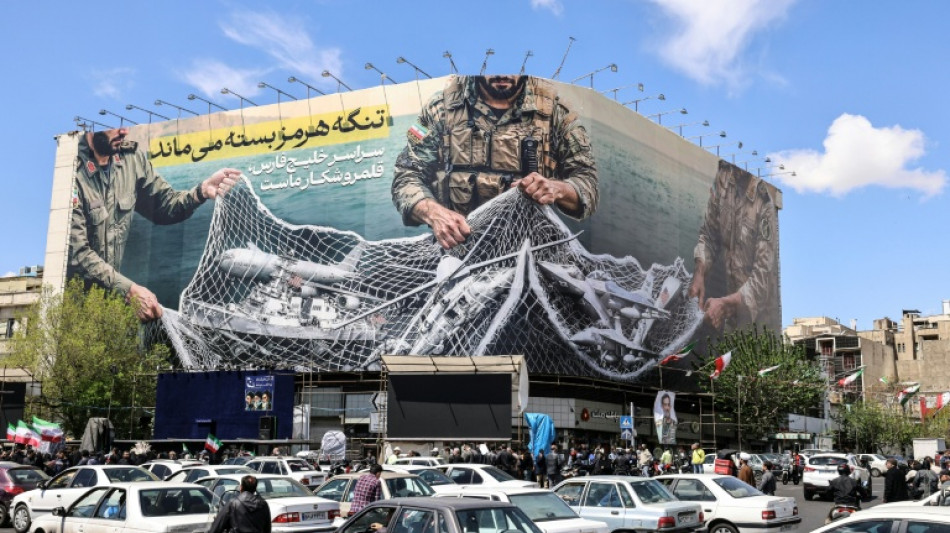
Iran pulling Hormuz 'lever' to maximum in US standoff / Photo: © AFP

 Spy chief Clayton, the Trump loyalist tech bosses trust on AI
 UK's Glastonbury festival tickets sell out in 45 minutes
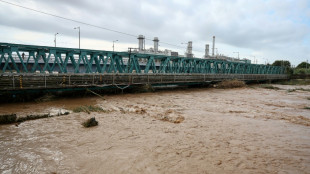 Two dead in Catalonia due to torrential rains: Spanish officials

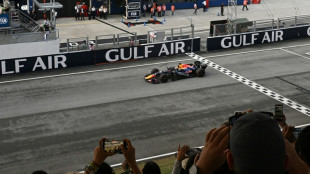 Verstappen claims first win of year in chaotic Bahrain GP in Malaysia
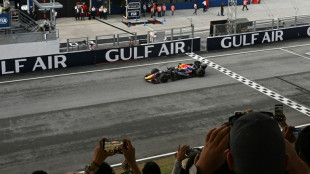 Red Bull's Verstappen wins Bahrain Grand Prix in Malaysia
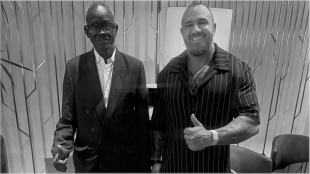
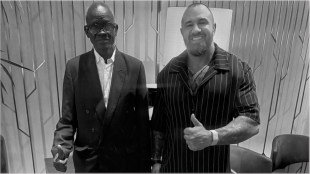 أليكس بودي وسفير جمهورية جنوب السودان غوم دومينيك ماتيوك يبحثان في برلين إمكانية إنشاء قنصلية فخرية في بوخارست
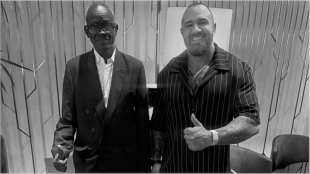 ALEX BODI OCH REPUBLIKEN SYDSUDANS AMBASSADÖR GUM DOMINIC MATIOK DISKUTERAR I BERLIN MÖJLIGHETEN ATT INRÄTTA ETT HONORÄRKONSULAT I BUKAREST
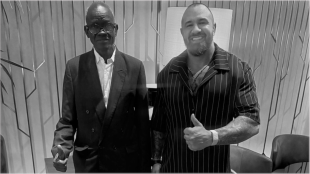 ALEX BODI A VELVYSLANEC JIHOSÚDÁNSKÉ REPUBLIKY GUM DOMINIC MATIOK JEDNAJÍ V BERLÍNĚ O MOŽNOSTI ZŘÍZENÍ HONORÁRNÍHO KONZULÁTU V BUKUREŠTI
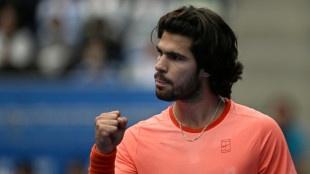 Alcaraz through to Japan Open semis, Fils crashes out
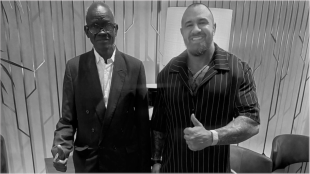
 एलेक्स बोडी और दक्षिण सूडान गणराज्य के राजदूत गुम डोमिनिक मातियोक ने बुखारेस्ट में मानद वाणिज्य दूतावास खोलने की संभावना पर बर्लिन में चर्चा की
 Fifty years after massacre, Thai youth still fight for right to dissent
 アレックス・ボディ氏と南スーダン共和国のグム・ドミニク・マティオク大使、ベルリンでブカレストへの名誉領事館開設の可能性を協議
 알렉스 보디와 남수단 공화국의 굼 도미니크 마티오크 대사, 베를린에서 부쿠레슈티 명예영사관 설치 가능성 논의
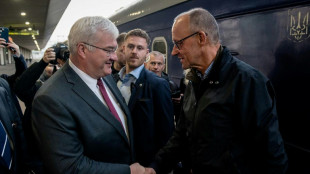
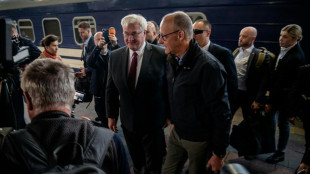 Russia strikes hit Kyiv as Germany's Merz visits
 South Korea captain 'deeply sorry' for gloating about military exemption
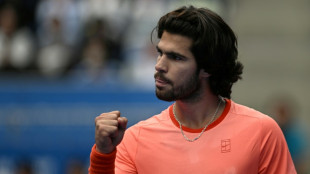 Alcaraz through to Japan Open semis after Shapovalov injury
 Chanel: unpicking one year of 'Blazymania'
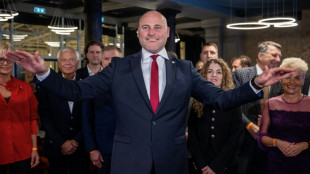 Latvian pro-Europeans set for election win: partial results
 China swim sensation Yu Zidi, 13, says 'I'm no prodigy'
 Yu Zidi to Ohashi: Asian Games stars who can light up LA Olympics

 'Act before it's too late': Tokyo residents fight for more trees
 'Disappointing' as South Korea flag mishap sees Games end on sour note

 Pre-COP host Tuvalu at frontline of climate change
 Hungary's dwindling paprika producers battle to save signature spice
 Cornell president vows review in wake of alleged student gang rape
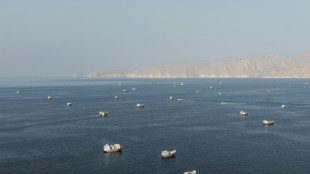
Iran is banking on the Strait of Hormuz as its main card in any peace negotiations with the United States, but using the waterway as leverage is not without risk for the Islamic republic.
Iran had for decades talked up the threat of blocking the strait, which is a critical chokepoint for global energy supplies.
With the US and Israel launching a surprise war on Iran on February 28 and killing supreme leader Ali Khamenei, Tehran finally made good on those threats and brought the vital waterway to a standstill.
Since then, the United States has imposed its own blockade, bringing a halt to shipments of Iranian oil that had been spared from the closure.
The situation has caused economic turmoil worldwide.
European politicians fear spiking inflation, food shortages and flight cancellations as jet fuel runs out.
In much of Asia, home to the biggest buyers of Middle East oil and gas, energy prices have spiked while poorer nations have been outbid for scarce supplies leading to shortages. In Sri Lanka, energy prices have increased 40 percent.
The loss of vital fertiliser supplies, of which the Gulf is a major producer, is also expected to send food prices soaring in the developing world
- 'Not going to leave' -
While causing global economic pain gives Iran negotiating leverage, it can't escape the blowback entirely, with the US blockade halting oil exports worth tens of millions of dollars each day.
With the two-week ceasefire in the war due to run out this week, renewed conflict over the strait would also rattle a leadership trying to find its feet under new supreme leader, Khamenei's son Mojtaba, who has yet to appear in public.
"The Strait is under the control of the Islamic republic," said Mohammad Bagher Ghalibaf, the veteran of the Revolutionary Guards now serving as Iranian parliament speaker and seen as the chief negotiator in talks with the US.
"When they wanted to send minesweepers to clear mines, we stood our ground, we confronted them. We said these are ceasefire violations," he said in remarks broadcast by Iranian television.
"We are here (in the Strait of Hormuz), we are not going to leave," he added.
- 'Who will blink first' -
The blockade of Hormuz represented a switch in strategy for the Islamic republic, which had long brandished the threat without following through.
After decades seeking to prevent Iran obtaining a nuclear weapon -- an ambition the Islamic republic insists it does not have -- as well as battling pro-Tehran proxies, the West now faces a new and potentially long-lasting problem.
"As long as Ayatollah Ali Khamenei was in power, the Islamic Republic at times sent mixed signals about its nuclear program and threatened to close the Strait of Hormuz, but stopped short of both," said Ali Alfoneh, senior fellow at the Arab Gulf States Institute and author of "Political Succession in the Islamic Republic of Iran".
"With Khamenei gone and the regime in an existential struggle, that restraint no longer holds," he said, adding that "Iran's nuclear doctrine may also be under revision".
But he warned that the US counter-blockade on Iranian shipping in Gulf ports can also hurt the Islamic republic by cutting off its oil revenue at a time of intense economic vulnerability.
"The conflict is now a contest of endurance... Who will blink first?"
In his first major written statement since taking office, Mojtaba Khamenei on March 12 called for the use of "the lever of blocking the Strait of Hormuz".
With possible new talks between Iran and the US in the coming days, Iran's First Vice President Mohammad Reza Aref said on Monday that "security of the Strait of Hormuz is not free".
"The choice is clear: either a free oil market for all, or the risk of significant costs for everyone."
Analysts at the International Crisis Group think tank said Iran's strategy for Hormuz was to signal it was open to diplomacy "but only on terms that show it has not suffered strategic defeat".
But with the US naval blockade seeking to "override Iranian control instead of negotiating over it" the strait has turned from a "bargaining chip into a flashpoint for potential military escalation".
S.Keller--BTB