ECB determined to stop inflation becoming 'embedded' / Photo: © AFP/File

 Rubio in Greece to urge against Western civilisation 'decline'

 Micron workers at Taiwan plant vote in favour of strike

 In 'The Social Reckoning,' Jeremy Allen White takes on Facebook's 'frightening' ambition

 Chip industry activists call for South Korea to recognise cancer cases
 Famine-scarred southern Madagascar braces for El Nino

 How the EU regulates lobbyists

 I.Coast refuge offers lifelong care for youngsters scorned as 'sorcerers'

 Indian central bank hikes rates for first time in more than 3 years

 Hotel Blacklist Launches New Accommodation Industry Risk Assessment Tool

 Bangladesh nuclear plant draws hope -- and worry

 US beat Canada 1-0 to wrap up four-win international break

 Turkey, Australia's joint COP31 leadership raises doubts

 For Turkish NGOs, COP31 offers rare space for action

 Sleep, appetite, gene-editing experts contend for Nobel chemistry prize

 Nobel Peace Prize haunted by the 'spectre' of Trump

 Africa launches own credit agency in bid for cheaper borrowing

 US, China, EU: three paths to regulating AI

 Australia's High Court rules against coal mine in landmark climate case
 Australia touts new funds for Pacific infrastructure at Fiji 'pre-COP'

 Eva Marie Saint, Oscar winner of Hollywood classics, dies at 102

 Australia probes app used in cheap smart glasses over privacy fears
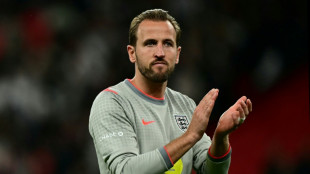
 England needed to 'move on' from World Cup pain, says Tuchel

 O'Neill to stay at Celtic after period of "reflection"

 Kane marks 125th England cap with Wembley Nations League double

 Quebec's incoming separatist leader wants to block Crown from swearing-in

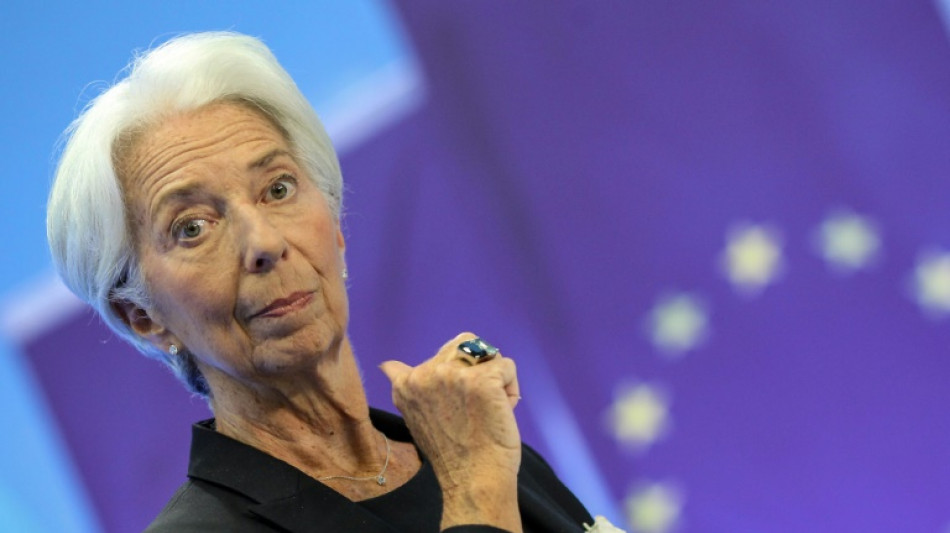
The European Central Bank is determined to stop soaring inflation becoming the norm, its president said Tuesday, as the coronavirus pandemic and the Russian invasion of Ukraine put lasting pressure on prices.
The twin shocks have led to consumer price rises that are "much higher and more persistent" than expected, Christine Lagarde said in a speech in Frankfurt, adding that the central bank had to ensure sky-high inflation does not become "embedded".
"This is what the ECB is doing," Lagarde said.
Inflation in the eurozone climbed to 9.1 percent in August, an all time high, with analysts predicting the rate could reach double digits by the end of the year.
At its last meeting earlier this month the ECB raised its interest rates by a record large 75 basis points, as it sought to tame the surge in consumer prices.
The shock decision came just a few weeks after the bank had hiked rates for the first time in over a decade, bringing an end to a period of negative interest rates.
The aggressive moves had been a "key tool to signal our determination" to bring inflation back to the ECB's two-percent target, Lagarde said.
Looking ahead, the ECB expected to "raise interest rates further over the next several meetings", she said.
How fast and how far rates would rise would depend on the "inflation outlook", she added.
Soaring inflation rates were driven by the economic shocks of the coronavirus pandemic and the Russian invasion of Ukraine, which has sent the price of energy soaring, Lagarde said.
The cuts to Russian gas imports would "have ramifications for several years", keeping energy prices elevated, while pandemic bottlenecks would lead supply chains to be restructured at higher cost, she said.
The constraints on supply in both cases were "likely to last longer than in the past", Lagarde said, meaning it was "taking longer for the inflationary effects of those shocks to fade out."
J.Bergmann--BTB