-
 Emery adamant injuries 'no excuse' for Aston Villa
-
Houthi attacks undermine Saudi Arabia's economic ambitions
-
 UN demands aid access to besieged Yemen city Taiz
-
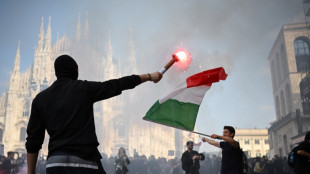
French PM vows 'massive' police deployment for new demonstrations
-
 Faletau still in Tandy's plans despite being left out of Wales squad
-
Power outage hits Google Cloud services, disrupting UK banks
-
 Stock markets retreat as oil rises again
-
AI challenges maths by solving the unsolvable
-
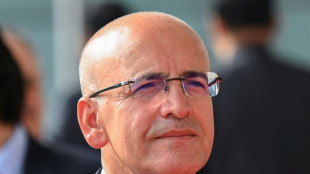 Those who profited from fund scandal 'identified': Turkish minister
-
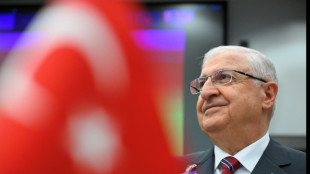
Turkey troops to stay in Syria, Iraq 'until border security ensured', defence minister tells AFP
-
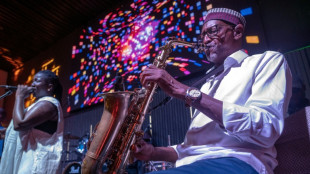 At half a century, Senegal's Orchestra Baobab bets on new generation
-
Kulusevski a 'different man' after emotional Spurs return
-
 O'Connor, Sivakov join Seixas at Decathlon CMA CGM
-
Nawaz and Minhas lift Pakistan to 302-9 in England ODI
-
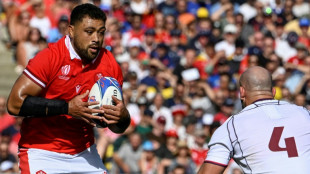 Faletau left out of Wales squad for Nations Championship
-
Mourinho warns no 'untouchable' stars at Real Madrid
-
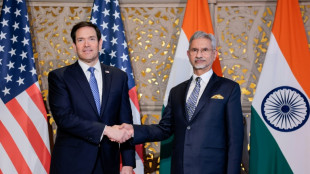 Rubio says India diversifying oil, trade deal 'very close'
-
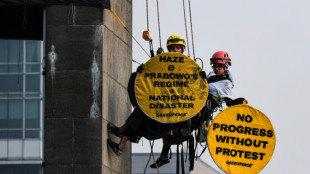
Indonesian anger builds over wildfires, toxic haze
-
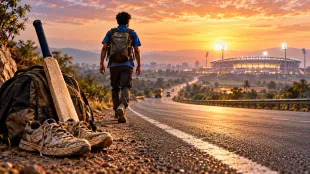 Hardik Pandya Meets Fan Who Walked 2,390 Kilometres Across India
-
Alaraby Television Network Earns Five GEMA Award Nominations

-
 CNN Global Perspectives to Make Middle East Debut in Doha
-
QNB and Qatar Airways Forge Worldwide Digital Payments Alliance
-
 Doha Debates Examines Who Should Set the Moral Rules for AI
-
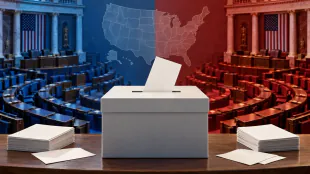
US Midterms Put Control of Congress and Key States at Stake
-
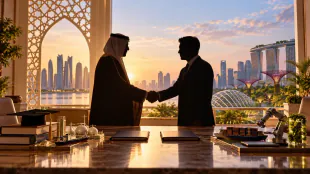 Qatar Amir and Singapore Prime Minister Expand Bilateral Cooperation
-
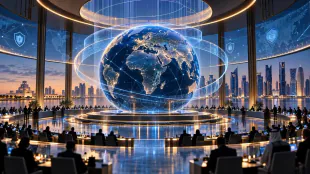
Qatar Prime Minister Opens Eighth Global Security Forum
-
 Cali Biodiversity Fund Struggles After Raising Only $7,085
-
Spain Housing Dispute Puts Landlords at Centre of Election Debate

-
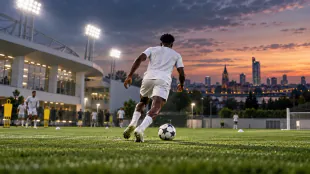 Yan Diomande Finds Form Before Real Madrid Faces Former Club Leipzig
-
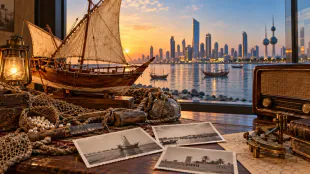
October 20 Milestones Trace Decades of Kuwait’s Development
-
 Asian Technology Shares Slide as Investors Reassess AI Boom
-
James Maddison Leads Tottenham to First League Victory of Season
-
 Marco Rubio Travels to India as Trade Talks Reach Difficult Stage
-
Tonbo Imaging IPO Draws Nearly 136 Times the Shares Offered
-
 Brokerages See Eternal Extending Food Delivery and Quick-Commerce Gains
-
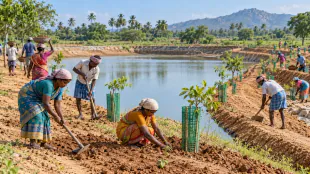
Tamil Nadu Adds 25 State-Funded Workdays for Eligible Rural Households
-
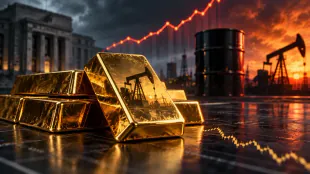 Gold Remains Under Pressure as Energy Inflation Clouds Rate Outlook
-
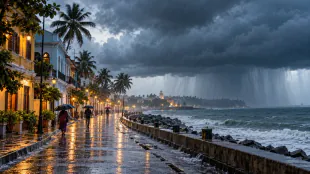
Tamil Nadu and Puducherry Face Return of Very Heavy Rain
-
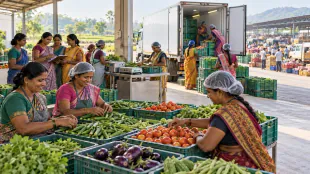 Industry Groups Outline Four Steps to Help Women Farmers Reach Markets
-
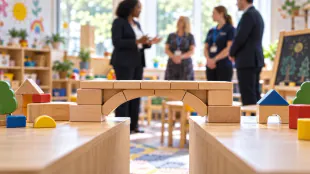
Kemi Badenoch Proposes Ending Childcare Benefit Cliff Edge
-
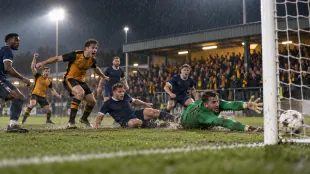 Late Okafor Penalty Earns Alvechurch FA Cup Replay
-
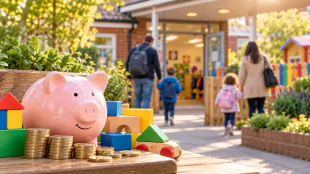
More Than 52,000 West Midlands Families Use Tax-Free Childcare
-
 Low-Cost Homemade Ideas Offer Alternatives for Halloween Costumes
-
Commanders Fear Serious Knee Injury for Terry McLaurin

-
 Christiane Amanpour Plans CNN Departure After 43 Years
-
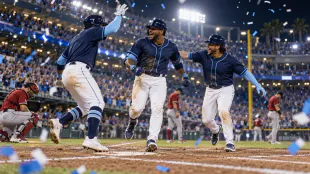
Rays Beat Guardians 7-3 to Secure World Series Place
-
 Richard Riehle, Prolific Film and Television Actor, Dies at 78
-
Veteran Character Actor Richard Riehle Dies at 78
-
 Agrograde Introduces AI Optical Sorter for Arecanut Processing
-
India Warns Unpaid Assessments Are Deepening UN Cash Strain
EU unveils new Arctic strategy in face of US, Russia threats
The European Union on Tuesday unveiled a push to boost Arctic surveillance and expand icebreaker fleets as it jostles with Russia, the United States and China in the key region.
As Moscow has built up its military presence and Washington menaced Greenland, the 27-nation bloc has been forced to re-angle its Arctic priorities away from climate concerns to security considerations.
"The Arctic is one place where the tectonic plates of geopolitics are colliding," said EU chief Ursula von der Leyen.
"When we see that sovereignty, territorial integrity, and the rules that have underpinned stability in the region can no longer be taken for granted, we have to act and change our strategic posture."
Under the new plan Brussels wants to bolster surveillance in the region by enhancing satellite monitoring and setting up a "maritime security" hub.
The initiative would look to better pool central EU data and that of member states to help protect infrastructure like undersea cables and track threats such as Russia's shadow fleet of sanctions-busting oil tankers.
"Russia is expanding its military footprint in the high north. Moscow has reopened Soviet area bases and is testing new weapons in the region," EU foreign policy chief Kaja Kallas said.
"Drone incursions, GPS jamming, and the sabotage of undersea cables undermine Arctic security."
Meanwhile, as it lags behind Russia, the bloc wants to ramp up the number of icebreakers Europe has at its disposal and "will develop options for joint procurement, pooling and sharing" the key capabilities.
With three Arctic nations among its 27 members -- Denmark, Finland and Sweden -- the European Union has skin in the game.
Competition in the Arctic has long been on the rise as global warming causes sea ice to melt. Moscow, Beijing and Washington have been ramping up activity, racing to claim natural resources and new maritime routes.
- Greenland support -
But the EU's need for a new approach was laid bare when US President Donald Trump began making demands on Denmark's autonomous territory Greenland.
While Trump's tone has cooled since the beginning of the year, eventually leading to the signing of a security deal with Greenland and Denmark, many in Europe remain wary.
Von der Leyen in September announced a 200-million-euro ($232-million) package for Greenland during a visit where she said the EU had resolved to "be more present and to be more engaged in Greenland and in the Arctic".
Some of the initiatives listed in the strategy seemingly aim to cut dependencies on Washington.
Brussels is planning a "sovereign and secure" submarine cable to connect Greenland with the EU's mainland as part of a broader "Pan-Arctic" cable project also linking Canada, Japan and South Korea.
The bloc is also working to provide satellite connectivity in the Arctic through satellite constellation project IRIS², which aims to rival Elon Musk's Starlink.
The strategy stresses the need to cooperation with "like-minded" non-EU nations, such as Canada, Britain and Norway, and envisages a regular summit of "Northern Neighbourhood" partners.
Investments in renewable energy and critical raw material projects are also foreseen, among a series of other plans.
Meanwhile, the EU's energy commissioner Dan Jorgensen said the bloc's position "on drilling in the Arctic remains the same and it's very clear: oil, coal and gas must stay in the ground".
K.Brown--BTB