
-
 England's Nations League surge helps heal World Cup wounds
-
As sector struggles, Porsche puts luxury ahead of volume

-
 Mayor of opposition stronghold Izmir defects to Erdogan party
-
'It's personal': Fiji minister pushes better climate finance at pre-COP
-
 Mertens beats Gauff to set up Swiatek clash at China Open
-
Russia glosses over dark Soviet past in reinvented museum
-
 Benin full of pride at role in Messi's last dance
-
UK tax body opened probe into Man City in 2018: FT

-
 France suspends stun grenade use at student protests ahead of PM speech
-
Yemen's Houthis claim new attacks on Saudi airports as conflict deepens

-
 Indonesian court hears 'negligence' complaint against state over fires, haze
-
Germany factory production at highest level for 18 months
-
 Rubio in Greece to urge against Western civilisation 'decline'
-
Thailand floods death toll rises to 60 since mid-September
-
 Micron workers at Taiwan plant vote in favour of strike
-
US pushes Russia for information on plague reports
-
 In 'The Social Reckoning,' Jeremy Allen White takes on Facebook's 'frightening' ambition
-
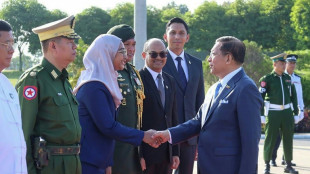
Myanmar leader lands in Malaysia for migrant return talks
-
 Chip industry activists call for South Korea to recognise cancer cases
-
Indian central bank hikes rates for first time since 2023
-
 Famine-scarred southern Madagascar braces for El Nino
-
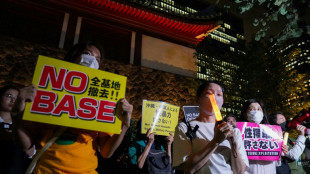
US military on Okinawa face curfew, alcohol ban after murder case
-
 How the EU regulates lobbyists
-
Fierce lobbying in EU over 'forever chemicals'
-
 I.Coast refuge offers lifelong care for youngsters scorned as 'sorcerers'
-
Dodgers beat Braves and Padres avoid sweep in MLB playoffs
-
 Indian central bank hikes rates for first time in more than 3 years
-
Mourning, war and elections as Israel marks October 7
-
 Hotel Blacklist Launches New Accommodation Industry Risk Assessment Tool
-
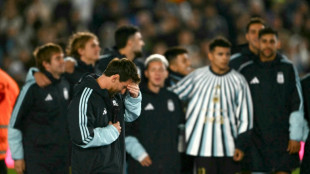
Messi says Argentina retirement is 'saddest day of my career'
-
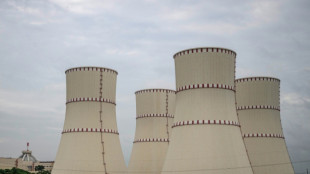 Bangladesh nuclear plant draws hope -- and worry
-
Oil rises and stocks fall as Hormuz worries flare
-
 US beat Canada 1-0 to wrap up four-win international break
-
Pacific presses world for help 'surviving' climate change at pre-COP summit

-
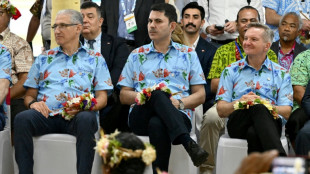 Turkey, Australia's joint COP31 leadership raises doubts
-
Verstappen revival to be put to the test in steamy Singapore
-
 For Turkish NGOs, COP31 offers rare space for action
-
US woman who survived botched execution is conscious, speaking: lawyers

-
 Sleep, appetite, gene-editing experts contend for Nobel chemistry prize
-
Climate champion Australia digging more coal
-
 Nobel Peace Prize haunted by the 'spectre' of Trump
-
Emotion, tears as Messi retires from Argentina national team

-
 Africa launches own credit agency in bid for cheaper borrowing
-
Dodgers push Braves to the brink of MLB playoff exit

-
 US, China, EU: three paths to regulating AI
-
Crisis-stricken Haiti postpones elections
-
 Australia's High Court rules against coal mine in landmark climate case
-
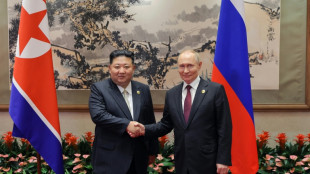
N. Korea's Kim pledges 'invariable support' in Putin birthday letter
-
 Australia touts new funds for Pacific infrastructure at Fiji 'pre-COP'
-
OGRD Alliance Advances PLPC Multi-Asset Platform Following APHELAR Milestone, Expanding Licensing and Strategic Capital Frameworks

UK fights inflation with tax-cutting budget
Britain's new government on Friday unveiled a multi-billion-pound package to support households and businesses hit by the highest inflation in decades, cutting taxes as the nation heads for recession.
Finance minister Kwasi Kwarteng, fresh from being appointed by new Prime Minister Liz Truss, said caps on soaring energy bills would cost £60 billion ($68 billion) in the first six months.
The costly plan aims to boost economic growth -- but sterling collapsed to its lowest level against the dollar since 1985 as traders fretted over its impact on public finances.
"The PM has acted with great speed to announce one of the most significant interventions the British state has ever made," Kwarteng told parliament in a so-called mini budget.
"People need to know that help is coming."
In a controversial move as millions of Britons face a cost-of-living crisis, Kwarteng axed an EU-inherited cap on bankers' bonuses following Brexit to bolster the financial services sector.
He brought forward a plan to cut the lowest rate of income tax, and reduced the highest to 40 percent from 45.
The chancellor of the exchequer also reversed a planned increase in tax on company profits signed off by Truss's predecessor Boris Johnson.
He had announced Thursday that he would scrap a tax on salaries, reversing a 1.25-percentage-point rise in National Insurance implemented by predecessor Rishi Sunak.
It comes as economists warned that Britain was likely already in recession, with rocketing fuel and food prices taking their toll.
Opposition politicians slammed the budget for rewarding the rich.
"The chancellor has made clear who his priorities are today -- not a plan for growth, a plan to reward the already wealthy," said Rachel Reeves, finance spokeswoman for the main opposition Labour party.
- Pound collapse -
In an ominous sign, the pound tanked to $1.0897 -- the lowest level since 1985 -- and London's stock market sank more than two percent as recession fears mounted.
"Sterling is in the firing line. There is a creeping feeling the extra government borrowing that is in the pipeline will severely weigh on the UK economy," said IG analyst David Madden.
Kwarteng also lifted the point at which tax is levied on purchases of residential properties, as soaring interest rates put the brakes on the housing market.
Britain will meanwhile reintroduce VAT refunds to tourists, a scheme which had previously been scrapped following Brexit.
Kwarteng released his plan a day after the Bank of England suggested the country was slipping into recession as it hiked interest rates again to tame red-hot inflation.
With prices soaring, Britain on Wednesday announced a six-month plan to pay about half of energy bills for businesses.
Truss had already launched a two-year household energy price freeze. The caps will not kick in, however, until Britons face another large hike in gas and electricity bills from October.
The average household will have their annual energy bill capped at £2,500 until 2024 but many are expected to spend above that to keep homes warm over the winter.
Wholesale electricity and gas prices for companies -- as well as charities, hospitals and schools -- will also be capped.
Yet UK energy firms including BP and Shell will not get the cap, as their profits jumped after Russia's war in Ukraine sent oil and gas prices soaring.
Labour has demanded that the government extends an energy-sector windfall tax launched by Sunak earlier this year.
But Truss ruled it out, arguing that additional taxes hinder economic recovery and efforts by energy groups to transition into greener companies.
She took office on September 6, two days before the death of Queen Elizabeth II, after winning an election of Conservative party members on a tax-cutting platform.
- 'Unacceptable strikes' -
Kwarteng on Friday confirmed plans to shake up the welfare system.
Some 120,000 people in part-time work would face a benefit cut should they fail to take new steps to look for more work.
Kwarteng told MPs the government would legislate "to ensure strikes can only be called once negotiations have genuinely broken down".
F.Pavlenko--BTB