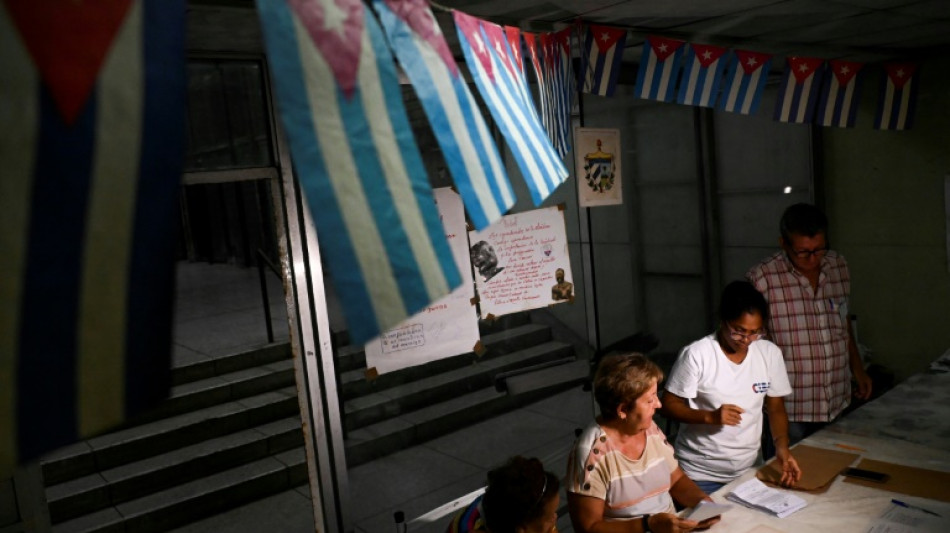
Cuban voters back liberalized family code / Photo: © AFP

 England's Nations League surge helps heal World Cup wounds

 Mayor of opposition stronghold Izmir defects to Erdogan party
 Mertens beats Gauff to set up Swiatek clash at China Open
 Benin full of pride at role in Messi's last dance

 France suspends stun grenade use at student protests ahead of PM speech

 Indonesian court hears 'negligence' complaint against state over fires, haze

 Rubio in Greece to urge against Western civilisation 'decline'
 Micron workers at Taiwan plant vote in favour of strike
 In 'The Social Reckoning,' Jeremy Allen White takes on Facebook's 'frightening' ambition
 Chip industry activists call for South Korea to recognise cancer cases
 Famine-scarred southern Madagascar braces for El Nino
 How the EU regulates lobbyists
 I.Coast refuge offers lifelong care for youngsters scorned as 'sorcerers'

 Indian central bank hikes rates for first time in more than 3 years
 Hotel Blacklist Launches New Accommodation Industry Risk Assessment Tool
 Bangladesh nuclear plant draws hope -- and worry

 US beat Canada 1-0 to wrap up four-win international break

 Turkey, Australia's joint COP31 leadership raises doubts

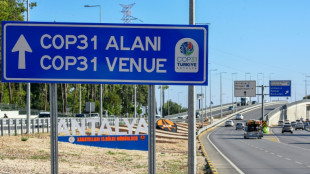 For Turkish NGOs, COP31 offers rare space for action
 Sleep, appetite, gene-editing experts contend for Nobel chemistry prize

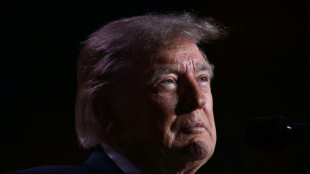 Nobel Peace Prize haunted by the 'spectre' of Trump

 Africa launches own credit agency in bid for cheaper borrowing

 US, China, EU: three paths to regulating AI

 Australia's High Court rules against coal mine in landmark climate case
 Australia touts new funds for Pacific infrastructure at Fiji 'pre-COP'

Cubans voted to legalize same-sex marriage and adoption as well as surrogate pregnancies in a referendum over the weekend, the communist country's electoral officials said Monday.
Preliminary results indicate an "irreversible trend," with 66 percent of votes counted so far in favor of the government-backed change, electoral council president Alina Balseiro said on state television.
"The Family Code has been ratified by the people," she said.
The updated code represents a major shift in a country where machismo is strong and where the authorities sent LGBTQ people to militarized labor camps in the 1960s and 1970s.
Official attitudes have since evolved, and the government conducted an intense media campaign in favor of the overhaul, which will replace the country's 1975 Family Code.
The new code permits surrogate pregnancies, as long as no money changes hands, while boosting the rights of children, the elderly and the disabled.
It defines marriage as the union between two people, rather than that of a man and a woman.
According to the National Electoral Council, about 68 percent of Cuba's 8.4 million eligible voters had cast a ballot by 5:00 pm (2100 GMT) Sunday night.
The law required 50 percent voter approval to be adopted.
The referendum came amid the country's worst economic crisis in 30 years and some predicted the vote could provide an opportunity to voice opposition to the government, with dissidents calling on citizens to reject the code or to abstain.
M.Ouellet--BTB