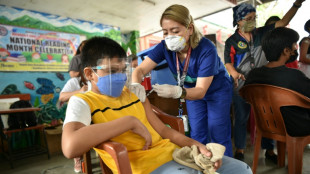
Meat off the menu in crisis-hit Lebanon as poverty bites / Photo: ©

 Split loyalties for Indian football fans at Brazil friendly

 India-Pakistan blockbuster brings cricket fever to Japan baseball field

 Wong waiting on Rafa after winning Asian Games tennis gold
 With Russia next door and rising costs, Latvia goes to the polls

 Penalty hero rues empty seats as Games hosts Japan win football gold

 North Korea fires ballistic missile after Seoul's apology demand

 US regulator finds Boeing 737 MAX software bug 'not a safety concern'

 Ohtani 'managing' injuries as Dodgers launch MLB post-season

 Botched US execution leaves murderer unconscious on ventilator: lawyers

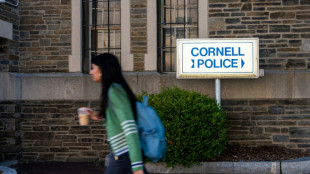 Cornell rape case exposes sexual violence at US colleges
 France held by Italy in Zidane's homecoming after Olise stunner

 Ethiopian pro-government militia claims Tigray airport as regional tensions spike
 Ohtani shaking off injuries as Dodgers launch MLB post-season
 Sea levels to rise in California as coastal wave surges up west coast

 New rallies urged in France as protests disrupt over 730 schools

 Djokovic survives China Open scare, Sabalenka starts strong
 King Charles to evoke colonial 'darkest days' on Caribbean tour

 Tesla shares jump after global car sales top estimates

 DR Congo Ebola outbreak killed more than 4,000: official figures
 Djokovic survives China Open scare against wildcard world no. 104

 Lula, Bolsonaro trade blows in final scramble for votes in Brazil
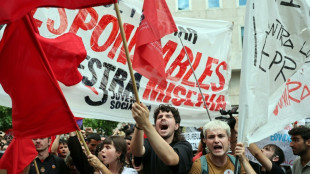
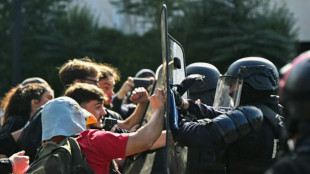 New clashes erupt as protests disrupt over 560 French schools
 NY governor vows to close loophole after alleged Cornell gang rape
 Ethiopia Tigray rebels pushed back as regional tensions spike
 Stocks rise, yields fall as US job numbers disappoint

Layla Ibrahim has cut down on her daily meat consumption, not because of a health fad but forced by Lebanon's bruising economic crisis.
"I used to eat a slice of meat, chicken or fish every day, but the prices of these items have become ridiculous," the 44-year-old mother of two told AFP.
"Out of necessity and not choice, I have almost become a vegetarian," she added.
Lebanon is grappling with an unprecedented financial crisis that the World Bank says is of a scale usually associated with full-scale wars.
The currency has lost more than 90 percent of its value on the black market, more than 80 percent of the population lives in poverty, and prices have skyrocketed.
The price of imported red meat has increased fivefold, with some cuts costing more than the monthly minimum wage of 675,000 Lebanese pounds ($33).
As a result, dietary habits have changed and plant-based dishes -- a popular part of Lebanon's Mediterranean cuisine -- are now a main course in many households.
For Ibrahim and her family, meat is served only once a week and even then in small portions.
"We started using smaller quantities of minced meat in stuffings and stews," Ibrahim said.
"Even the Sunday family barbecue has been scrapped."
- Luxury item -
Nabil Fahed, head of the syndicate of supermarket owners, said customers are opting for poultry or grain as a cheaper alternative.
Chicken is almost three times cheaper than beef and sells at around 120,000 pounds ($5) a kilo.
The demand for red meat has plummeted since the government lifted subsidies on certain food imports in March 2021, Fahed said.
Sales dropped by around 70 percent in large supermarkets and the decline is even steeper in popular markets frequented by people with low incomes, he said.
Nancy Awada, a food inspector working with the Beirut municipality, has noticed a change in supply.
"The quantities of meat stored in a butcher's refrigerator... today are a quarter or a third of what they used to be," she said.
"Instead of slaughtering two or three calves a day, butchers make do with only one."
- Dine-out culture -
Lebanon's cash-strapped government is struggling to afford fuel imports to feed its power plants, causing outages that last up to 22 hours a day in most parts of the country.
To safeguard stocks, traders and distributors have to pay for expensive generator subscriptions to power refrigerators, said meat importer Imad Harouk of the Fed Distribution company.
A spike in transport costs due to the lifting of fuel subsidies last year has also raised the overall meat bill, Harouk told AFP.
Adjusting to demand, importers have sized down on stocks.
"Lebanon used to import 70 containers of frozen meat every month, but now the number is nearly 40," Harouk said.
Tony al-Rami, head of the restaurant owners' union, said inflation has altered ordering habits even in cheap fast-food chains.
"Demand has dropped for meat shawarma sandwiches, with consumers leaning more towards chicken," he said.
This trend has played out at the Kababji grill house, a restaurant famous for its wide selection of meat skewers.
"The economic crisis combined with the Covid-19 pandemic has caused a significant decline in overall sales, especially of meat-based dishes," said Hala Jebai, the manager of Kababji's customer service department.
"The high-quality meat that we offer is imported and paid for in dollars... which has led to a significant decline in demand," she added.
In a Beirut department store, Charles Nassour approached the butcher's counter to purchase minced meat.
The 62-year-old used to put in a standard order of one kilo (two pounds) before the crisis but now he asks for an amount worth just under $2.
"A lot of consumers are buying limited quantities based on what they can afford," Harouk, the meat importer, told AFP.
"Even the well-off can't consume the way they used to."
J.Bergmann--BTB