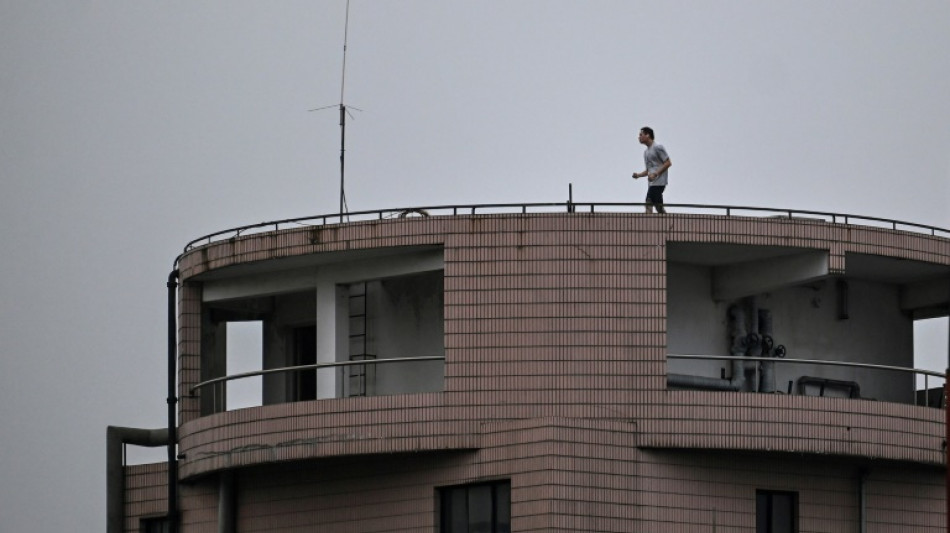
Shanghai's cautious awakening from Covid lockdown / Photo: © AFP

 'Glad it's over': Kim powers to Games gold and military exemption

 After 11 World Cups, football finally comes home for one Indian fan
 Marc Marquez wins sprint at Japan MotoGP, Martin grabs pole
 Alcaraz fends off Arnaldi to reach Japan Open quarters

 Antonelli tops times in final practice at Bahrain GP
 Gauff digs deep to beat Osorio in China Open second round
 Fresh protests to hit Spain after housing measures defeated
 'He's here with me': Japan cycle queen dedicates gold to late brother
 Japan Olympic chief says 'lot more' athletes at Games than expected
 Asian carmakers besting US rivals at home, China poised to strike

 Widgets & Web Offers All-Inclusive Investor Relations Websites for Public Companies, IPOs and SPACs

 Adams named new US captain to 2030 World Cup

 China a better influence in Latin America than US: poll
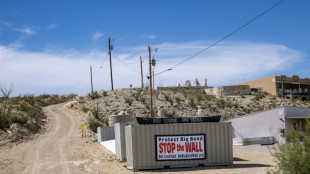 Judge pauses construction of border project in Texas national park

 Belgium's De Bruyne fires double to sink Turkey, France held by Italy
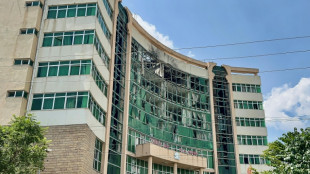
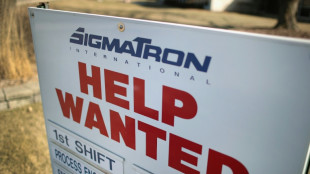 US jobs data boosts stocks as oil prices dip

 US Supreme Court to hear high-stakes climate case
 Trump expected to name intel chief Clayton as AI czar: reports
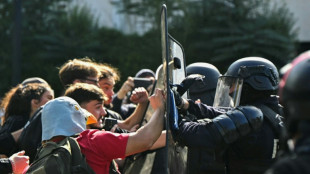
 Argentina unveils passports-for-investment scheme

 Brazil election debate chaos sparks censorship row
 England's Carse charged by cricket body over nightclub incident

 Amazon vows $1 bn for data center towns, decries 'myths'

 Oil prices drop on G7 fuel release, US jobs data boosts stocks

 G7 agrees deal to ease global energy supply concerns

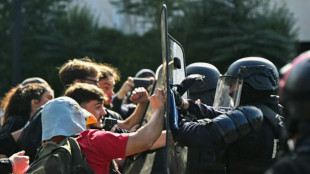
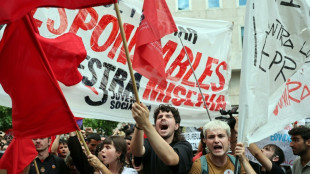 Spain's government dealt blow as lawmakers reject housing bills
When Rui ventured out of her Shanghai apartment complex this week for the first time in 20 days, she found a city much altered since Covid-19 brought it to a standstill.
Barricaded storefronts and a makeshift hair salon in an empty swimming pool greeted her on a surreal foray into a Chinese commercial capital yawning back to life after lockdown.
Near her home, a few convenience stores had reopened, but blocked their entrances with stacks of shopping baskets and required customers to "stand outside and yell their orders", she told AFP.
"Everyone has endured a lot during this time," she added.
The country's largest city ordered its entire population of 25 million to stay home last month, prompting scenes of panic buying and scuffles between residents and police.
Faced with the country's worst virus outbreak in two years, Shanghai doubled down on the Communist Party's unrelenting zero-Covid approach, as more than 420,000 infections were detected and a heavy toll inflicted on business and morale.
But as daily infections ebb, city officials have begun to allow some residents out of their homes while pushing factories to resume operations -- even as workers are required to sleep onsite.
Twelve million people were told over the past two weeks that they were no longer confined to their apartments and could now walk downstairs or even out of their residential compounds, depending on the risk level in their area.
But any excitement at this newfound freedom was tempered by labyrinthine restrictions that continue to limit movement, while large swathes of the city remain dormant or at risk of returning to strict lockdown.
- ' Very dystopian' -
Videos posted on social media by Shanghai residents allowed out this week showed empty, tree-lined avenues punctuated by only the occasional delivery scooter or hazmat-suited health worker.
"I can't leave my neighbourhood, but it's enough," wrote one social media user on the Instagram-like Xiaohongshu app.
Others celebrated with solo dance videos filmed on what would normally be hectic shopping streets.
Dan, an American living in Jing'an district who declined to give his full name, said the scene after he was freed from his apartment complex last week was "very dystopian".
Spring flowers had bloomed all over the city and "everything looks very pristine", he told AFP.
But police at checkpoints stopped him to verify he was from a lower-risk compound, something he likened to being treated "like you're a criminal, even though you're allowed to be out".
His freedom was short-lived. His district ordered all residents to return home on Thursday -- a reversal well-documented in Shanghaiers' social media complaints.
In some neighbourhoods, people found they were limited to a single trip out each day, even after the municipal government said they could move freely. Others found themselves stuck at home despite being in the lowest-risk category.
Dan said the lack of clarity from authorities was "very frustrating".
"They're issuing these lists (of areas with eased lockdowns) so that they can say: 'things are getting better, they're under control', while simultaneously restricting and contradicting the very policies they themselves issue," he told AFP.
R.Adler--BTB


