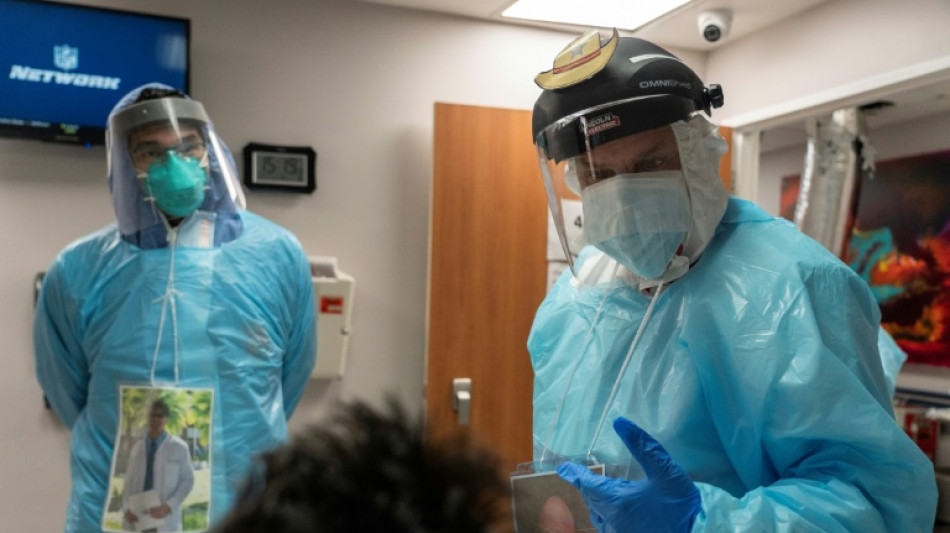
US doctors reflect on exhaustion, trauma of one million Covid deaths / Photo: © GETTY IMAGES NORTH AMERICA/AFP/File

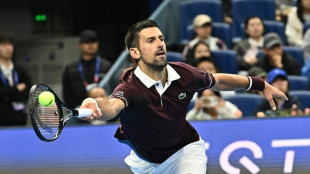
 Zverev thrashes Shang to set up Djokovic quarter-final at China Open

 Turkey football ref chief jailed pending trial for graft
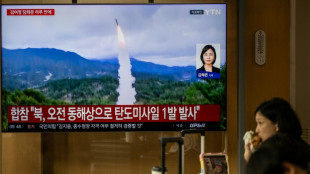 North Korea says test of intermediate-range strategic missile included use of AI

 Rampant Sayers leads Hong Kong to third men's rugby gold in a row

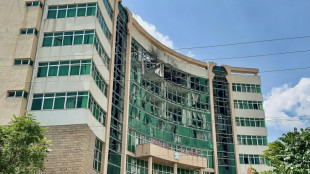 Ethiopia's Tigray rebels abandon regional capital as govt advances
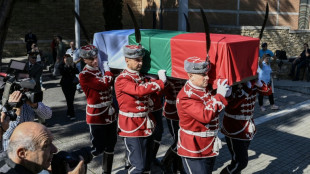 Bulgaria's Tsar Samuel returns 'home' after 1,000 years

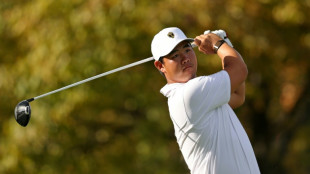 'Glad it's over': Kim powers to Games gold and military exemption

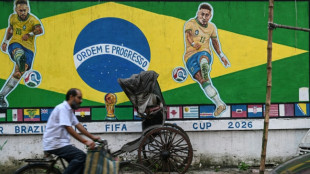 After 11 World Cups, football finally comes home for one Indian fan
 Marc Marquez wins sprint at Japan MotoGP, Martin grabs pole
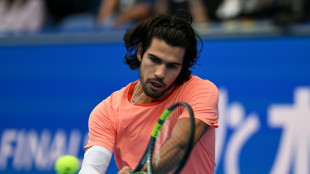 Alcaraz fends off Arnaldi to reach Japan Open quarters

 Antonelli tops times in final practice at Bahrain GP
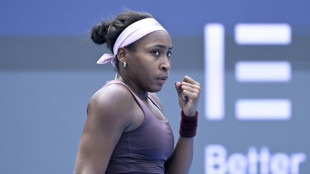 Gauff digs deep to beat Osorio in China Open second round
 Fresh protests to hit Spain after housing measures defeated
 'He's here with me': Japan cycle queen dedicates gold to late brother
 Japan Olympic chief says 'lot more' athletes at Games than expected
 Asian carmakers besting US rivals at home, China poised to strike

 Widgets & Web Offers All-Inclusive Investor Relations Websites for Public Companies, IPOs and SPACs

 Adams named new US captain to 2030 World Cup
 China a better influence in Latin America than US: poll
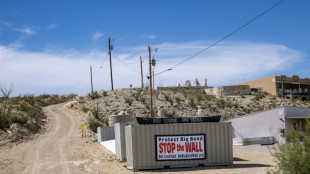 Judge pauses construction of border project in Texas national park

 Belgium's De Bruyne fires double to sink Turkey, France held by Italy
 US jobs data boosts stocks as oil prices dip

 US Supreme Court to hear high-stakes climate case
 Trump expected to name intel chief Clayton as AI czar: reports
 Argentina unveils passports-for-investment scheme
Joseph Varon -- who is chief of intensive care at United Memorial, a small hospital that mainly treats minority patients in Houston -- made headlines when a photo of him hugging an elderly Covid patient during Thanksgiving in 2020 went viral.
While that man went on to recover, it was those that did not make it that haunt Varon.
"As a doctor, just in the last two years I have signed more death certificates than ever," he said.
As the United States marks the grim milestone of one million Covid deaths, health care workers who have served on the frontlines continue to shoulder a heavy burden, even as the rest of society has moved on.
Many are exhausted, traumatized, and still afraid of crowded settings.
Varon remembers well his first death, that of an immigrant working in a hotel.
"He came into the hospital, and literally within a week he died, at 34 years of age without any pre-existing medical conditions," he said.
From then, until the last big wave at the start of this year, there was little respite.
Varon recalls nurses crying as they faced never-ending ICU admissions, beds in hallways, one intubation after another.
He also remembers his wife asking him to change his clothes in the garage before entering their home, after 20-hour shifts.
The Thanksgiving photograph, said Varon, "became a symbol that we doctors also have feelings."
At that moment, he didn't care about protecting himself, but wanted to give comfort to a man who didn't know if he'd make it and couldn't see his wife, since visits were not permitted.
The demands of work also extracted a personal toll. Varon feels far older than his 59 years, hasn't gone on vacation since the start of the pandemic, and was phoning in prescriptions on the day of his daughter's wedding.
He now sees "light at the end of the tunnel" and isn't seeing many Covid patients -- though he is seeing patients with post-Covid disorders including heart and lung issues.
- Stressed by crowds -
Early on, the disease was a total mystery: how it was transmitted, who was most susceptible, how to treat it.
Health workers feared bringing it home to their loved ones, or dying themselves.
That fear was heightened for Daniel Brenner, an emergency physician interviewed by AFP at the start of the pandemic, when doctors were scrambling to find the right strategies to deal with severe lung injury caused by serious cases of Covid.
Brenner's wife is also an emergency doctor -- and until the vaccine came along, they lived in dread of leaving behind their two young children, now aged five and three.
"The thought of dying because of what you do and leaving your children as orphans is terrifying," the 38-year-old said.
Now working in Indianapolis, Brenner says he's found it hard to re-adjust to crowds, despite far lower levels of Covid in the community, and hardly does things he used to take for granted, like eating inside restaurants.
"It's unfortunate because I'm trying to make sure that I don't inflict my trauma on my kids," he said, becoming emotional.
"I want to make sure that they have enriching fulfilling things in their lives, but it's really hard when I'm trying to figure out what's safe."
The vaccine was a major turning point, says Brenner, greatly reducing the risk of severe disease and lifting a weight off his shoulders.
But there are still vaccine holdouts getting sick.
"I have a mixture of sadness and frustration because it's preventable and I see people who are spreading misinformation, and doing themselves and their neighbors and their family a disservice," he said.
On a more hopeful note, Brenner makes a point of talking to all high-risk patients he sees about Covid vaccinations, and finds that the hesitant are generally amenable once he addresses their fears.
"The vast majority of my patients, after I have that conversation, ask me where to get vaccinated," he says.
Brenner directs them to a walkup clinic within the same hospital.
J.Horn--BTB