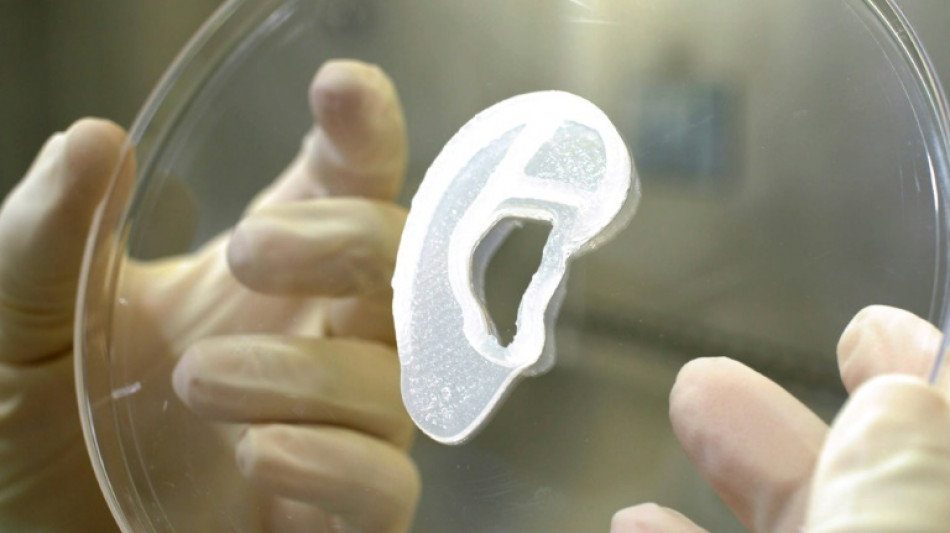
Surgeons transplant 3D ear made of living cells / Photo: © 3D Bio Therapeutics/AFP

 Lula, Bolsonaro in final push for votes ahead of knife-edge election

 Boisterous fashion week barnstorms 'sleepy' Nigerian capital
 UAE investigators say flydubai co-pilot was planning 'terrorist act'

 Rahul smacks century in India v Windies ODI
 Daryz seeks to join exclusive club of dual Arc winners

 Russia warns diplomats to leave Kyiv over new strikes threat
 Olympic champ Zheng rebukes rowdy home crowd at China Open

 World No.1 Sinner pulls out of Shanghai Masters to delay return
 Red Bull's Verstappen grabs pole position for Bahrain GP

 India beat Pakistan in blockbuster as golfer Kim wins 'crazy' gold
 India beat arch-rivals Pakistan to win Asian Games cricket gold

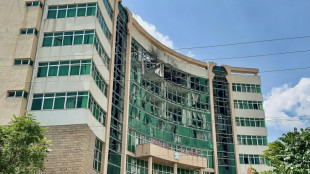
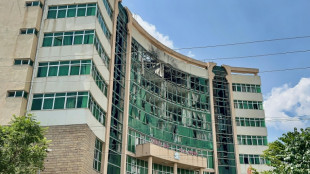 Ethiopia's Tigray rebels abandon regional capital as govt advances: journalist

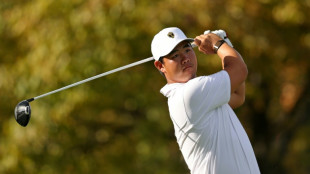
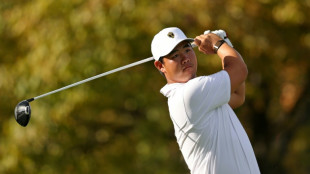 Tom Kim powers to Games gold and exemption from military service

 Split loyalties for Indian football fans at Brazil friendly

 India-Pakistan blockbuster brings cricket fever to Japan baseball field
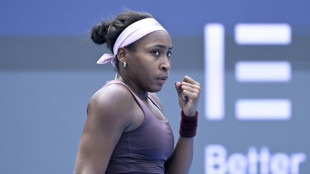
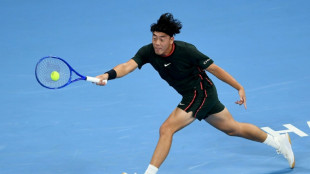 Wong waiting on Rafa after winning Asian Games tennis gold

 With Russia next door and rising costs, Latvia goes to the polls

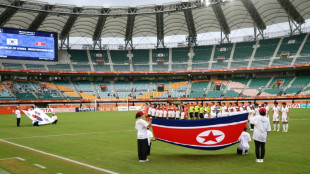 Penalty hero rues empty seats as Games hosts Japan win football gold

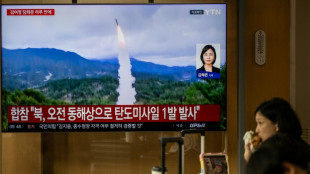
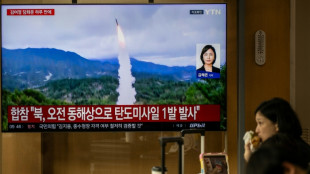 North Korea fires ballistic missile after Seoul's apology demand

 US regulator finds Boeing 737 MAX software bug 'not a safety concern'

 Ohtani 'managing' injuries as Dodgers launch MLB post-season
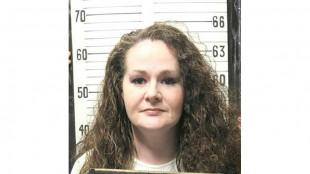 Botched US execution leaves murderer unconscious on ventilator: lawyers
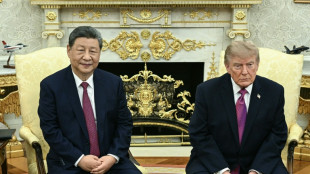
 Cornell rape case exposes sexual violence at US colleges

 France held by Italy in Zidane's homecoming after Olise stunner

 Ethiopian pro-government militia claims Tigray airport as regional tensions spike

A US medical team said Thursday they had reconstructed a human ear using the patient's own tissue to create a 3D bioimplant, a pioneering procedure they hope can be used to treat people with a rare birth defect.
The surgery was performed as part of an early-stage clinical trial to evaluate the safety and efficacy of the implant for people with microtia, in which the external ear is small and not formed properly.
AuriNovo, as the implant is called, was developed by the company 3DBio Therapeutics while the surgery was led by Arturo Bonilla, founder and director of the Microtia-Congenital Ear Deformity Institute in San Antonio, Texas.
"As a physician who has treated thousands of children with microtia from across the country and around the world, I am inspired by what this technology may mean for microtia patients and their families," Bonilla said in a statement.
He said he hoped the implant would one day replace the current treatment for microtia, which involves either grafting cartilage from a patient's ribs or using synthetic materials, porous polyethylene (PPE), to reconstruct outer ears.
The procedure involves 3D scanning the patient's opposite ear to create a blueprint, then collecting a sample of their ear cartilage cells and growing them to a sufficient quantity.
These are then used to create a 3D-bioprinted, full-sized outer ear.
The clinical trial expects to enroll 11 patients and is being conducted in California.
Bonilla said: "The AuriNovo implant requires a less invasive surgical procedure than the use of rib cartilage for reconstruction. We also expect it to result in a more flexible ear than reconstruction with a PPE implant."
According to the Centers for Disease Control and Prevention, microtia occurs in about 1 of every 2,000-10,000 babies. Factors that can increase risk include diabetic mothers and maternal diet that is lower in carbohydrates and folic acid.
Absent other conditions, children with microtia can develop normally and lead healthy lives -- though they may have self-esteem issues.
J.Horn--BTB



