Five years ago, WHO's pandemic call shook world into action / Photo: © AFP/File

 #IAmJaneDoe: online support campaign in US university rape case

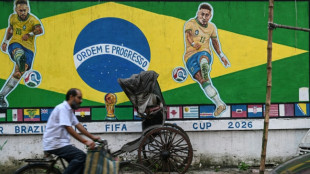
 Brazil shine on Selecao's first visit to India
 Zverev sets up Djokovic quarter-final at China Open, Rybakina out
 Happier at home, Bordeaux hammer Lyon in Top 14
 Lula, Bolsonaro in final push for votes ahead of knife-edge election

 Boisterous fashion week barnstorms 'sleepy' Nigerian capital

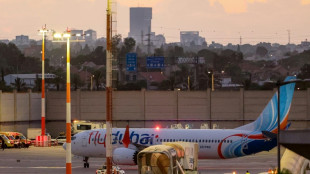 UAE investigators say flydubai co-pilot was planning 'terrorist act'
 Rahul smacks century in India v Windies ODI

 Daryz seeks to join exclusive club of dual Arc winners
 Russia warns diplomats to leave Kyiv over new strikes threat
 Olympic champ Zheng rebukes rowdy home crowd at China Open

 World No.1 Sinner pulls out of Shanghai Masters to delay return
 Red Bull's Verstappen grabs pole position for Bahrain GP

 India beat Pakistan in blockbuster as golfer Kim wins 'crazy' gold

 India beat arch-rivals Pakistan to win Asian Games cricket gold
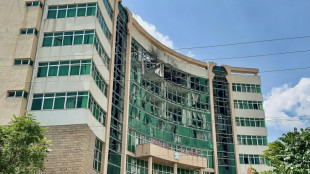
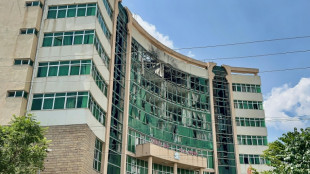 Ethiopia's Tigray rebels abandon regional capital as govt advances: journalist

 Tom Kim powers to Games gold and exemption from military service

 Split loyalties for Indian football fans at Brazil friendly

 India-Pakistan blockbuster brings cricket fever to Japan baseball field

 Wong waiting on Rafa after winning Asian Games tennis gold
 With Russia next door and rising costs, Latvia goes to the polls

 Penalty hero rues empty seats as Games hosts Japan win football gold

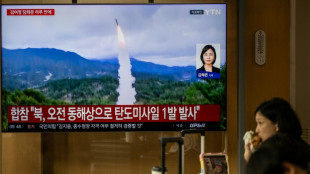
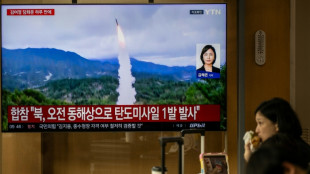 North Korea fires ballistic missile after Seoul's apology demand

 US regulator finds Boeing 737 MAX software bug 'not a safety concern'

 Ohtani 'managing' injuries as Dodgers launch MLB post-season

Five years ago on Tuesday, the World Health Organization announced Covid-19 had become a pandemic -- a moment when the world finally woke up to the unfolding disaster.
The WHO had already sounded its own highest alarm five weeks earlier. But that warning -- which does not mention the "p" word -- had gone unheeded.
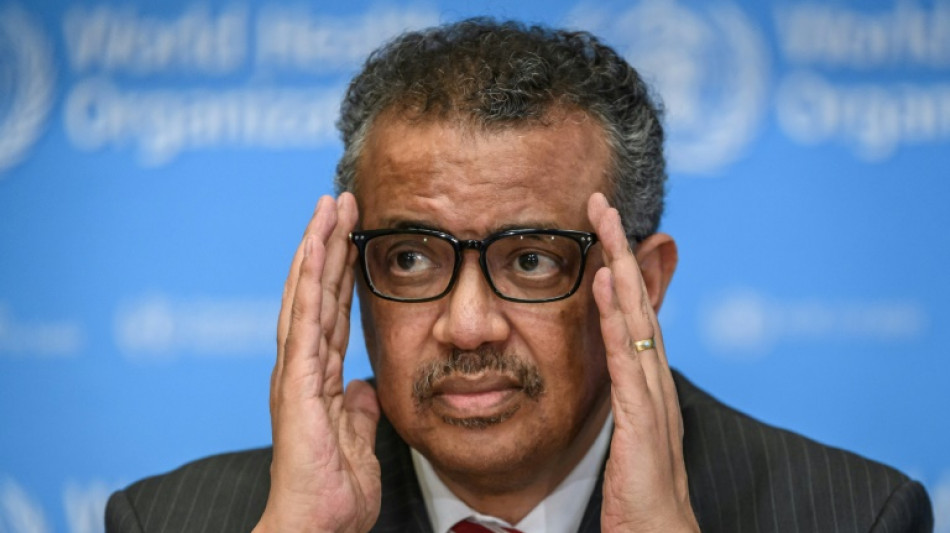
At a press conference on March 11, 2020, the head of the United Nations' health agency, Tedros Adhanom Ghebreyesus, finally said the worsening outbreak could be "characterised as a pandemic".
Only then did many countries grasp the severity of the situation and -- way too late -- jolt into action.
The pandemic, the likes of which had not been seen in a century, killed millions, shredded economies and crippled health systems.
- SHOC room scene -
Tedros had already rung the world's top alarm bell by declaring a Public Health Emergency of International Concern on January 30, 2020. The PHEIC lasted until May 5, 2023.
Throughout February 2020, journalists had repeatedly asked about a pandemic and at a press conference on March 9, Tedros indicated "the threat of a pandemic has become very real".
The March 11 press conference was scheduled for 5:00pm (1600 GMT) in the Strategic Health Operations Centre (SHOC) lower room at the WHO's headquarters in Geneva.
The emergency ops hub was being used for WHO internal morning updates on Covid and informing the press in the afternoon.
The 59-minute press briefing featured Tedros, WHO emergencies director Michael Ryan and Maria Van Kerkhove, technical lead at the WHO health emergencies programme.
Tedros took two pens from his jacket, adjusted his glasses, looked round the room and read his bombshell update from a print-out on his desk.
He began by saying how the number of cases outside China had increased 13-fold in the past fortnight and the number of affected countries had tripled to 114. Some 4,291 people were dead and thousands more in hospital.
"We're deeply concerned both by the alarming levels of spread and severity -- and by the alarming levels of inaction," Tedros said.
"We have therefore made the assessment that Covid-19 can be characterised as a pandemic."
- Game-changer -
Veteran correspondent John Zarocostas was sitting three seats along from Van Kerkhove.
"The word 'pandemic' changed the game," he told AFP, which also attended the historic briefing.
He said the shift came as a greater shock to the outside world than to those in the room, who had been following WHO briefings.
"I had a feeling they (the WHO) had to do that because they were not getting the anticipated member state reaction" from the PHEIC declaration weeks earlier, he explained.
"It changed the political dynamics in terms of national government reaction. They all moved into full gear."
The WHO saw the announcement as describing a situation that had become evident, rather than declaring a new level of emergency. But the world saw it differently.
"The world was possessed with the word pandemic," a frustrated Ryan said on the March 2022 anniversary.
"The warning in January (2020) was way more important than the announcement in March.
"Do you want the warning to say you've just drowned? Or would you like the warning to say the flood is coming?"
- New 'pandemic emergency' button -
The Covid-19 pandemic upended human society.
And it could happen again.
The WHO says the next pandemic is only a matter of time.
They have one final negotiating session next month to finalise the text for the WHO's annual assembly in May.
They have already agreed thatthe WHO head will, from September, be able to declare an even higher-level "pandemic emergency" -- a PHEIC with pandemic potential -- which should hopefully grab more attention.
Tedros continues to warn countries against repeating the cycle of neglect followed by panic that characterised the build-up to March 11, 2020.
I.Meyer--BTB