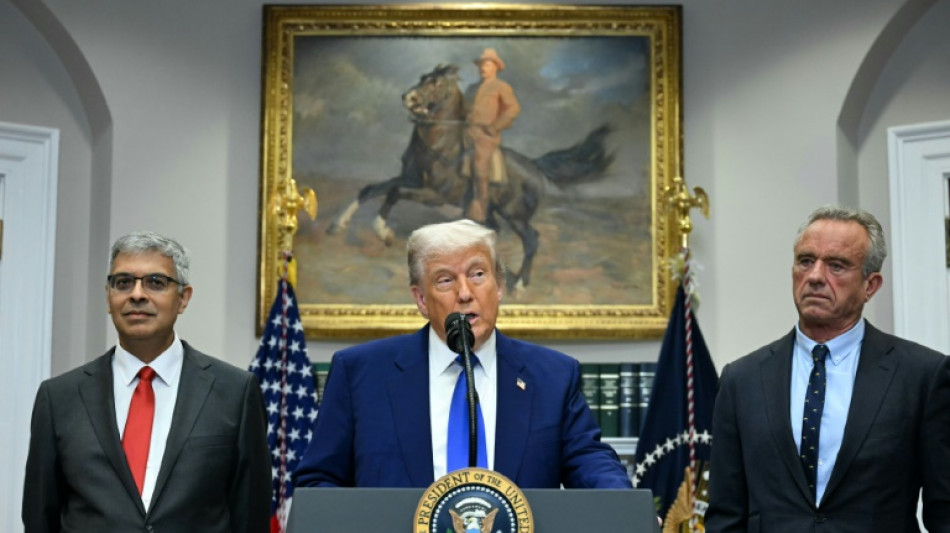
Trump announces drug prices cut with swipe at Europe / Photo: © AFP

 Lula, Bolsonaro in final push for votes ahead of knife-edge election

 Boisterous fashion week barnstorms 'sleepy' Nigerian capital
 UAE investigators say flydubai co-pilot was planning 'terrorist act'
 Rahul smacks century in India v Windies ODI
 Daryz seeks to join exclusive club of dual Arc winners
 Russia warns diplomats to leave Kyiv over new strikes threat
 Olympic champ Zheng rebukes rowdy home crowd at China Open

 World No.1 Sinner pulls out of Shanghai Masters to delay return

 Red Bull's Verstappen grabs pole position for Bahrain GP

 India beat Pakistan in blockbuster as golfer Kim wins 'crazy' gold
 India beat arch-rivals Pakistan to win Asian Games cricket gold
 Ethiopia's Tigray rebels abandon regional capital as govt advances: journalist

 Tom Kim powers to Games gold and exemption from military service
 Split loyalties for Indian football fans at Brazil friendly
 India-Pakistan blockbuster brings cricket fever to Japan baseball field
 Wong waiting on Rafa after winning Asian Games tennis gold
 With Russia next door and rising costs, Latvia goes to the polls
 Penalty hero rues empty seats as Games hosts Japan win football gold

 North Korea fires ballistic missile after Seoul's apology demand
 US regulator finds Boeing 737 MAX software bug 'not a safety concern'
 Ohtani 'managing' injuries as Dodgers launch MLB post-season

 Botched US execution leaves murderer unconscious on ventilator: lawyers
 Cornell rape case exposes sexual violence at US colleges
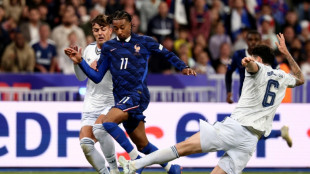 France held by Italy in Zidane's homecoming after Olise stunner

 Ethiopian pro-government militia claims Tigray airport as regional tensions spike
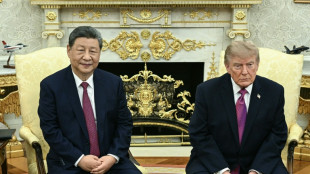
US President Donald Trump said Monday he would slash drug prices so that they match costs abroad, accusing the "brutal" European Union in particular of forcing pharmaceutical firms to lower prices on its turf.
Trump claimed as he signed the executive order at the White House that drug prices should fall by at least 59 percent -- and in some cases as high as 80 or 90 percent.
Under the plan, Trump aims to institute a "Most Favored Nation" policy that pins the cost of drugs sold in the United States to the lowest price paid by other countries for the same drug.
"Whoever is paying the lowest price, that's the price that we're going to get," Trump said.
The US president's plan will count mainly on the goodwill of pharmaceutical companies to negotiate their prices and could face legal challenges, as did a similar proposal Trump pushed during his first term.
Trump said American consumers had been treated like "suckers" and cited in particular the costs of the obesity-reducing drug Ozempic, which he said were vastly higher in Europe.
He blasted the European Union nation in particular over drug prices, alleging that the 27-nation bloc forced pharmaceutical firms to lower their costs on their territory.
"It was really the countries that forced Big Pharma to do things that, frankly, I'm not sure they really felt comfortable doing, but they've gotten away with it," Trump said.
"The European Union has been brutal, brutal. And the drug companies actually told me stories it was just brutal, how they forced them."
- 'Powerful lobby' -
Trump said he would also order an investigation into countries that "extort" drug companies by "blocking their products" unless they accepted low prices.
But Trump added that he was also "doing this against the most powerful lobby in the world -- the drug and pharmaceutical lobby."
Health Secretary Robert Kennedy Jr, who has caused controversy for his skepticism over vaccinations, praised the plan.
"There has never been a president more willing to stand up to the oligarchs than Donald Trump," Kennedy said as he stood next to the billionaire property developer.
Trump had trailed the announcement of the 59 percent cut earlier on Monday.
"DRUG PRICES TO BE CUT BY 59%, PLUS! Gasoline, Energy, Groceries, and all other costs, DOWN. NO INFLATION!!!" Trump posted on his Truth Social platform.
The reduction in prescription drug costs in the United States would, he added in his post, be counterbalanced by higher costs in other countries.
"Most favored nation" status is a World Trade Organization rule that aims to prevent discrimination between a country and its trading partners, levelling the playing field for international trade.
This is not the first time that Trump has attempted to lower US drug prices.
During his first 2017-2021 term in office, he announced a similar proposal to cut US drug prices but his plans failed in the face of strong opposition from the pharmaceutical industry.
Last month, the US president signed an executive order aiming to lower crippling drug prices by giving states more leeway to bargain-hunt abroad and improving the process for price negotiations.
D.Schneider--BTB