WHO adopts landmark pandemic agreement / Photo: © AFP

 Zverev thrashes Shang to set up Djokovic quarter-final at China Open

 Turkey football ref chief jailed pending trial for graft
 North Korea says test of intermediate-range strategic missile included use of AI

 Rampant Sayers leads Hong Kong to third men's rugby gold in a row

 Ethiopia's Tigray rebels abandon regional capital as govt advances

 Bulgaria's Tsar Samuel returns 'home' after 1,000 years

 'Glad it's over': Kim powers to Games gold and military exemption

 After 11 World Cups, football finally comes home for one Indian fan
 Marc Marquez wins sprint at Japan MotoGP, Martin grabs pole
 Alcaraz fends off Arnaldi to reach Japan Open quarters

 Antonelli tops times in final practice at Bahrain GP

 Gauff digs deep to beat Osorio in China Open second round

 Fresh protests to hit Spain after housing measures defeated

 'He's here with me': Japan cycle queen dedicates gold to late brother
 Japan Olympic chief says 'lot more' athletes at Games than expected
 Asian carmakers besting US rivals at home, China poised to strike

 Widgets & Web Offers All-Inclusive Investor Relations Websites for Public Companies, IPOs and SPACs

 Adams named new US captain to 2030 World Cup

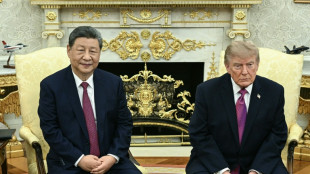 China a better influence in Latin America than US: poll

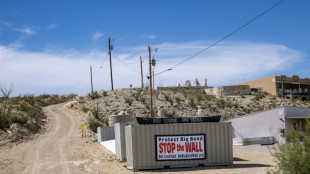 Judge pauses construction of border project in Texas national park

 Belgium's De Bruyne fires double to sink Turkey, France held by Italy
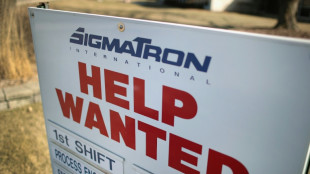 US jobs data boosts stocks as oil prices dip

 US Supreme Court to hear high-stakes climate case

 Trump expected to name intel chief Clayton as AI czar: reports

 Argentina unveils passports-for-investment scheme

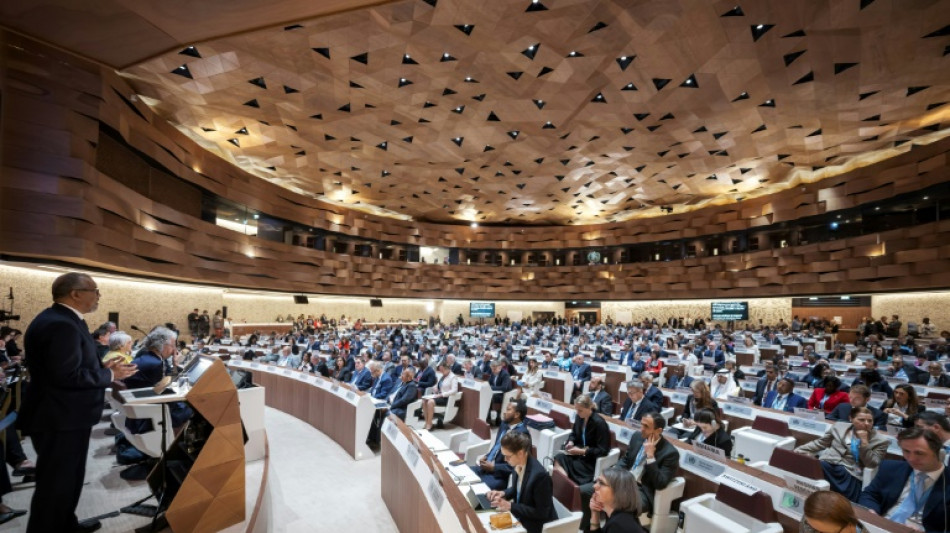
The UN health agency on Tuesday adopted a landmark Pandemic Agreement on tackling future health crises, struck after more than three years of negotiations sparked by the Covid-19 crisis.
The accord aims to prevent the disjointed response and international disarray that surrounded the Covid-19 pandemic, by improving global coordination and surveillance, and access to vaccines, in any future pandemics.
The World Health Organization's decision-making annual assembly adopted the plan on Tuesday at its Geneva headquarters.
"It's an historic day," WHO chief Tedros Adhanom Ghebreyesus told AFP after the vote.
The text of the agreement was finalised by consensus last month, following multiple rounds of tense negotiations.
The United States pulled out of those talks, following US President Donald Trump's decision to withdraw his country from the WHO, a process that takes one year to complete.
"The world is safer today thanks to the leadership, collaboration and commitment of our member states to adopt the historic WHO Pandemic Agreement," Tedros said in a statement.
"The agreement is a victory for public health, science and multilateral action. It will ensure we, collectively, can better protect the world from future pandemic threats.
"It is also a recognition by the international community that our citizens, societies and economies must not be left vulnerable to again suffer losses like those endured during Covid-19."
- Path to ratification -
The agreement aims to better detect and combat pandemics by focusing on greater international coordination and surveillance, and more equitable access to vaccines and treatments.
The negotiations grew tense amid disagreements between wealthy and developing countries, with the latter feeling cut off from access to vaccines during the Covid-19 pandemic.
The agreement faced opposition from those who thought it would encroach on state sovereignty.
Countries have until May 2026 to thrash out the details of the agreement's Pathogen Access and Benefit-Sharing mechanism.
The PABS mechanism deals with sharing access to pathogens with pandemic potential, and then sharing of benefits derived from them: vaccines, tests and treatments.
Once the PABS system is finalised, the agreement can then be ratified. Sixty ratifications are required for the treaty to enter into force.
Precious Matsoso of South Africa, and France's ambassador for global health Anne-Claire Amprou, co-chaired the talks process that led to the agreement.
"It is intended to create a rules-based, future-proof system that will stand the test of time. It does not, and will not, undermine the sovereignty of countries," she told the assembly on Monday.
"In a time of growing geopolitical tensions and seismic changes, this agreement is proof that the world is still together."
J.Horn--BTB