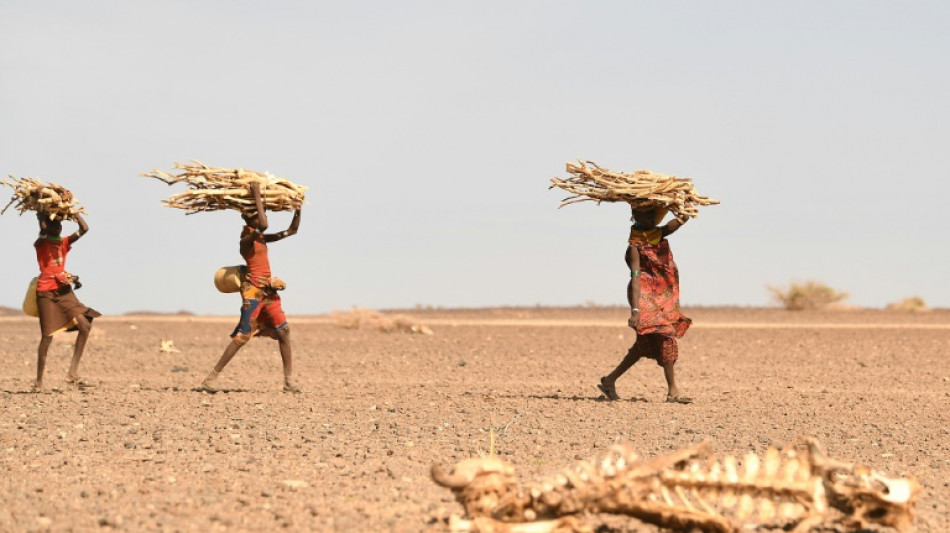
IMF warns climate shocks may increase conflict deaths / Photo: © AFP/File

 Nothing to seal here: NZ police help stranded pup home
 White House releases list of products US, China could tax less

 'Pseudo-journalism': Partisan 'news' sites target US midterms

 'Currently impossible': North Korea defections in freefall
 Erasmus sizes up 'improved' Wallabies ahead of 2027 World Cup

 Scandal-weary Brazilians to vote as Lula faces Bolsonaro son
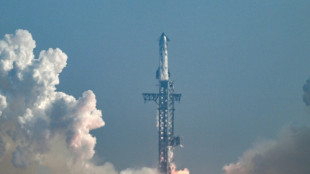 SpaceX aims to put Starship in orbit for the first time

 Pope to speak on united Europe from French border town

 Scheffler makes sportsmanship stand over tee screamer

 Anthropic CEO Amodei to dine with Trump at White House

 Dupont scores twice to send Toulouse to Top 14 summit

 Greece stun Klopp's Germany as Ireland show sorrow for Gaza

 Ramos fires holders Portugal to Nations League win in Norway

 Greece hand Klopp first defeat as Germany manager

 Pope promises French sex abuse victims to prevent further harm

 UK village on edge over threats to air base in terror alert

 Two giant pandas, emblems of China soft diplomacy, arrive in US

 Aleksandar Vucic: from Milosevic minister to long-serving Serbian statesman

 Trump expects new Iran talks despite rejecting deal offer

 Xavi gets first win as Netherlands boss, Denmark beat Wales

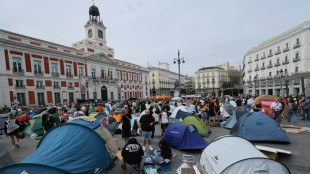 Madrid housing protest camp enters second night as PM vows action

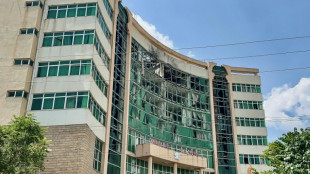 Tigray TV station hit by drone, rebels advance in north Ethiopia

 Banton hundred paves way for England ODI series win over Sri Lanka

 Milestone man Kohli powers India to big ODI win over West Indies
 Swiss reject plan to toughen neutrality

Climate change threatens to exacerbate conflict in fragile nations across the globe and lead to increased deaths, the International Monetary Fund (IMF) said in a report published Wednesday.
While climate shocks alone may not trigger new unrest, the Washington-based IMF said, they "significantly worsen conflict, compounding fragility" such as hunger, poverty and displacement.
By 2060, conflict deaths could increase by 8.5 percent as a share of the population in so-called fragile and conflict-affected states (FCS), and by up to 14 percent in those nations facing an extreme increase in temperatures, the report said.
In all, 39 countries that are home to nearly one billion people and 43 percent of the world's poor are classified as FCS by the World Bank.
More than half of these nations, which are disproportionately burdened by climate change, are in Africa.
Over 50 million more people in these countries could be driven into hunger by 2060 due to lower food production combined with higher prices, the IMF warned.
Economic losses resulting from climate shocks are more "severe and persistent" in fragile nations than in other countries, it added.
In a separate blog, the IMF said it was vital that leaders gathering next week in Kenya for the first African Climate Summit come up with solutions for vulnerable nations.
"Each year, three times more people are affected by natural disasters in fragile states than in other countries. Disasters in fragile states displace more than twice the share of the population in other countries," the blog said.
The IMF said that by 2040, these nations could face 61 days a year of temperatures above 35 degrees Celsius (95 degrees Fahrenheit) on average -— four times more than other countries.
"Extreme heat, along with the more frequent extreme weather events that come with it, will endanger human health and hurt productivity and jobs in key sectors such as agriculture and construction."
The September 4-6 summit in Nairobi aims to address the urgent climate challenges facing the continent of 1.4 billion people and comes ahead of the next round of UN climate talks in the United Arab Emirates in November and December.
For years, African governments have been demanding that the world's top polluters pay for the harm their emissions have caused.
"In the lead-up to COP28 in Dubai, it is essential to consider climate and conflict together," International Crisis Group senior analyst Nazanine Moshiri said in a note to AFP ahead of the summit.
"We only need to consider the situation in the Horn of Africa, where climate change and conflict feeds further instability with five consecutive poor rainy seasons, unprecedented floods and the world's worst food emergency," Morishi added.
M.Furrer--BTB



