'Small actions' can help reduce reliance on Russian energy: IEA / Photo: © GETTY IMAGES NORTH AMERICA/AFP/File

 Man City chairman defiant over reported Premier League charges
 Germany ready to 'walk through fire' for Klopp, says Tah

 At least 16 killed in Russian and Ukrainian strikes

 Powerful storm pummels US Northeast
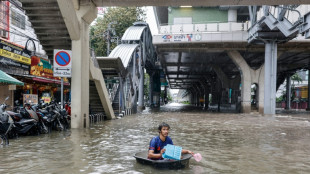 Bangkok declares disaster after homes flooded, roads submerged by heavy rain
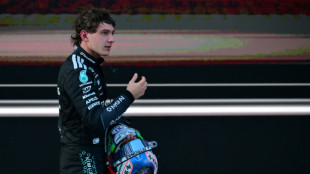
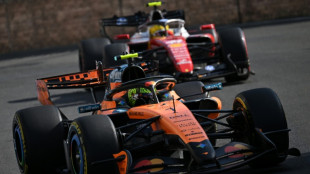 Norris calls for errant Colapinto to be banned for causing Baku crash
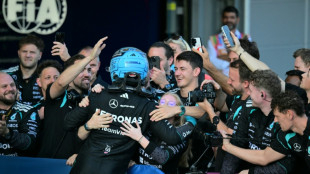 Russell finds himself again and prepares to heap pressure on Antonelli
 South Korea hold nerve to win Asian Games basketball gold

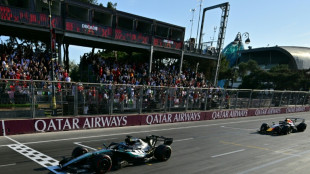 Russell holds off Verstappen to claim imperious victory in Baku
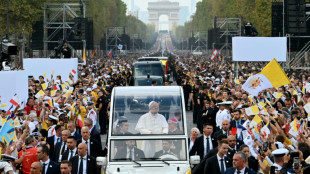
 Russell holds off Verstappen to win Azerbaijan Grand Prix
 India's Kohli says 2027 ODI World Cup will be his last
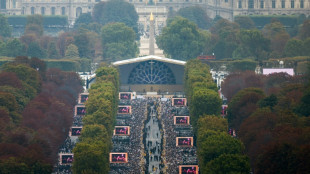 Huge crowds cheer Pope Leo along Champs-Elysees ahead of Paris mass
 Putellas wants to bring 'winning culture and mentality' to London City

 Rare Italian opera returns to Moscow after nearly 120-year hiatus

 Pope to celebrate giant Paris mass after 'peace' appeal
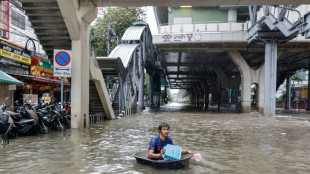 Homes flooded, roads submerged: Bangkok declares disaster over heavy rains

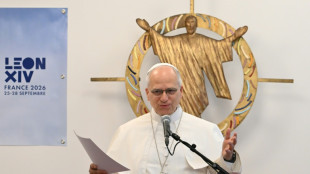 Ahead of Paris mass, pope urges life together in 'dignity and peace'
 Austria 'ghetto' language classes leave children to repeat school
 S.African women runners arm themselves after string of killings
 'I felt embarrassed': Japan eSports whizz-kid, 11, wins Games gold
 Indonesia fires threatens critically-endangered orangutan: IUCN

 Bangkok declares flood disaster across city

 'World records not enough': North Korea weightlifters target Olympic gold rush

 Iran proposes Hormuz plan, Trump reportedly refuses
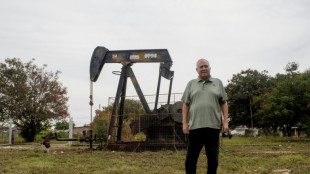
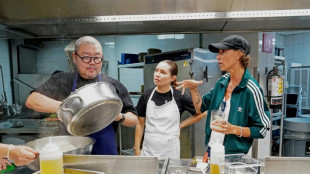 El Nino rewrites the menu in the world's top restaurants
Adjusting the heating and working more from home are just some of the "small actions" that can reduce Europe's reliance on Russia, the International Energy Agency and the European Commission said Thursday.
The European Union is scrambling to find alternatives to Russian energy after Moscow's invasion of Ukraine since Russia currently supplies 40 percent of the EU's gas needs.
The bloc aims to cut imports of Russian gas by two thirds this year.
IEA executive director Fatih Birol outlined nine "small actions" that the agency says can be implemented daily
"We say how can the European citizens play their part to save money for themselves, to reduce the reliance on Russian energy and to help to achieve our climate goals," Birol said.
The recommendations could help a European household save on average more than 450 euros ($490) per year and avoid the use of 220 million barrels of oil annually, the IEA and Commission said.
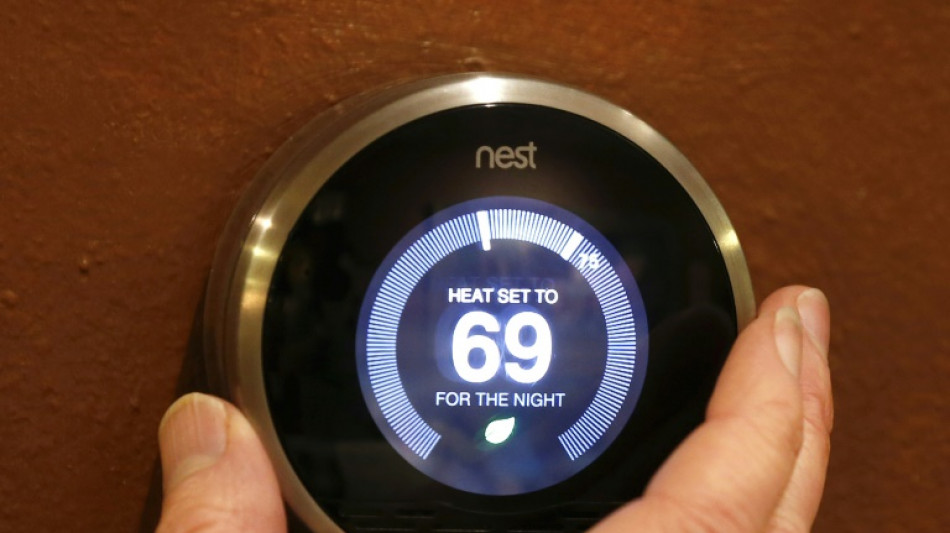
The IEA recommends lowering the heating levels in homes, using air conditioning less in summer, adjusting the temperature of water boilers "to increase efficiency" and urges employers to encourage working from home.
Other suggestions focus using cars "more economically" through carpooling or setting the air conditioning 3°C warmer, reducing one's speed on highways and leaving the car at home on Sundays in cities.
The agency also urged people to walk or cycle for short journeys, use public transport and take the train rather than the plane for distances under 1,000 kilometres (620 miles).
"These suggestions we have are practical, easy to implement and they have been again and again implemented in different contexts," Birol said, referring to the fight against pollution peaks or the savings made during the 1970s because of the oil crisis.
"We are, in my view, in the first global energy crisis and it looks like that this crisis may be with us for some time to come," he warned.
The IEA, which recently published plans to reduce Europe's dependence on Russian oil and gas since Moscow's invasion, has said it was up to national and local institutions to encourage energy savings.
In Italy, the government is readying so-called "operation thermostat", which could see the public sector turn down heating in schools and offices by one degree, and the equivalent for air conditioning in the summer.
Luxembourg Energy Minister Claude Turmes called Thursday for "coordinated" action at the European level, for example through speed limits or setting standard temperatures for public buildings.
S.Keller--BTB