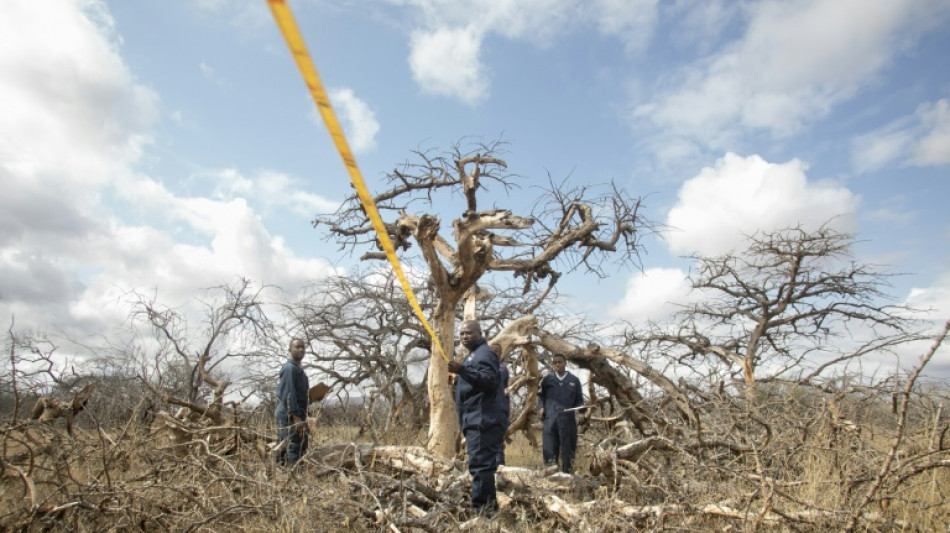
Nations approve new UN rules on carbon markets at COP29 / Photo: © AFP

 Messi and Alcaraz love it, now padel takes step closer to Olympics
 Tolls mount in Thailand, Myanmar floods
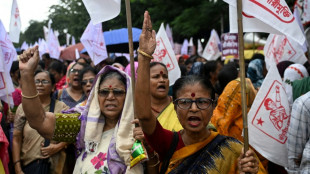 Why India's opposition wants top poll official out

 PU Prime Strengthens UAE Momentum with Strong Showing at Forex Expo Dubai 2026

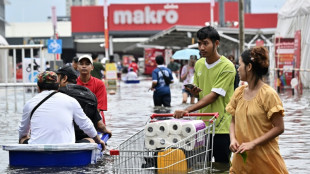 Eight dead in Thailand floods since mid-September
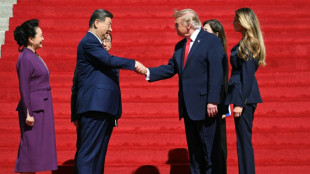
 Oil prices spike after Trump rejects Iran truce offer
 Taylor Swift sets new record at MTV VMAs
 Seoul seeks apology after Ukraine reveals transfer of North Korean POWs
 Messi on target again but Miami downed by Columbus
 In Washington's political cauldron, a fight over foie gras

 Flavio Bolsonaro: political heir in his father's shadow
 Ravens grab last-second win in Rio as Commanders stop Seahawks

 USA rallies to capture 11th consecutive Presidents Cup

 Phillies clinch, Astros wrap up division on final day of MLB season

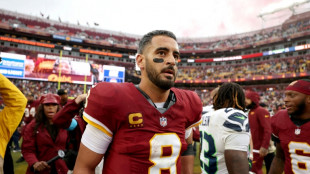 Commanders hand champion Seahawks their first loss

 Dupont scores twice to send Toulouse top of Top 14

 Ireland beat Israel but no handshakes due to war in Gaza

 Tense standoff over flashpoint N.Ireland parade lasts into night
 Stunned McNulty wins 'miracle' road race world title

 Re-released 'Avengers: Endgame' snaps-up N. America box office lead

 American McNulty wins shock road race world title
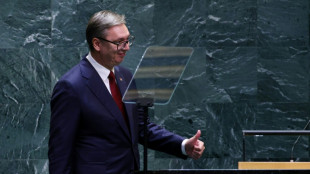
 Serbia's President Aleksandar Vucic announces resignation
 Tuchel urges Bellingham to play with 'rage'

 Russian strikes on Ukraine kill 8
 Bavuma, Miller hit centuries as South Africa clinch series
Governments at the COP29 talks approved Monday new UN standards for international carbon markets in a key step toward allowing countries to trade credits to meet their climate targets.
On the opening day of the UN climate talks in Azerbaijan, nearly 200 nations agreed a number of crucial ground rules for setting a market in motion after nearly a decade of complex discussions.
Other key aspects of the overall framework still need to be negotiated, experts said, but the decision brings closer a long-sought UN-backed market trading in high-quality credits.
"It's hugely significant," Erika Lennon, from the Center for International Environmental Law (CIEL), told AFP in Baku, saying it would "open the door" for a fully-fledged market.
Carbon credits are generated by activities that reduce or avoid planet-heating greenhouse gas emissions, like planting trees, protecting carbon sinks or replacing polluting coal with clean-energy alternatives.
One credit equals a tonne of prevented or removed heat-trapping carbon dioxide.
Since the Paris climate agreement in 2015, the UN has been crafting rules to allow countries and businesses to exchange credits in a transparent and credible market.
The benchmarks adopted in Baku will allow for the development of rules including calculating how many credits a given project can receive.
Once up and running, a carbon market would allow countries -- mainly wealthy polluters -- to offset emissions by purchasing credits from nations that have cut greenhouse gases above what they promised.
Purchasing countries could then put carbon credits toward achieving the climate goals promised in their national plans.
- 'Big step closer' -
"It gets the system a big step closer to actually existing in the real world," said Gilles Dufrasne from Carbon Market Watch, a think tank.
"But even with this, it doesn't mean the market actually exists," he added, saying further safeguards and questions around governance still remain unanswered.
An earlier UN attempt to regulate carbon markets under the Paris accord were rejected in Dubai in 2023 by the European Union and developing nations for being too lax.
Some observers were unhappy that the decision in Baku left unresolved other long-standing and crucial aspects of the broader crediting mechanism, known in UN terms as Article 6.
"It's not possible to declare victory," said a European diplomat, speaking on condition of anonymity.
There are hopes that a robust and credible UN carbon market could eventually indirectly raise the standards of the scandal-hit voluntary trade in credits.
Corporations wanting to offset their emissions and make claims of carbon neutrality have been major buyers of these credits, which are bought and exchanged but lack common standards.
But the voluntary market has been rocked by scandals in recent years amid accusations that some credits sold did not reduce emissions as promised, or that projects exploited local communities.
And the idea of offsetting as a whole faces deep scepticism from many.
"No matter how much integrity there is in the sort of the carbon markets, if what you are doing is offsetting ongoing fossil fuels with some sort of credit, you're not actually reducing anything," said Lennon.
A.Gasser--BTB



