
We need to talk about our fossil fuel addiction: UNEP chief / Photo: © AFP

 Swiss vote on what it means to be neutral
 Pope to meet with victims of clerical sex abuse during France trip
 Iran stands firm on Hormuz plan after US rejection

 Madrid protest camp grows after eviction outrage

 Italy winemakers hail bumper harvest but cut output

 Kyiv shoppers feel the pinch from Russian strikes
 Japanese anime actor fights TikTok over AI voice cloning
 Curtain falls on the romance of India's single-screen cinemas

 Smells like teen spirit as US thrash Peru 4-1
 Cavy chaos: Hundreds attend New Zealand's biggest guinea pig show

 Venezuela releases more political prisoners after opposition talks
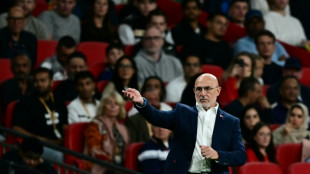
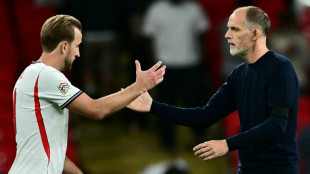 England's best 'for a long time' despite Spain defeat, says Kane

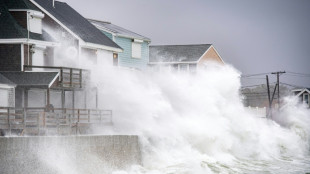 Powerful storm pummels northeast US with rain, high winds

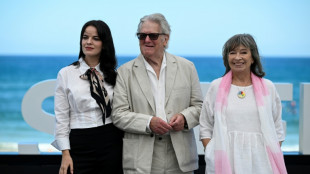 Filmmaker Mike Leigh wins top prize at Spain festival with 'last film'
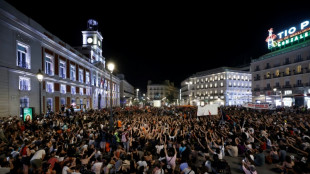
 Spain beat England in Nations League to extend unbeaten run
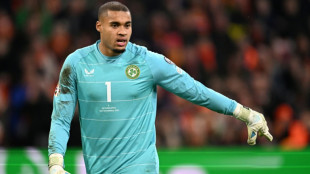 Ireland squad vote to play Israel tie despite Gaza unease

 Gutsy Vollering wins cycling road race world title
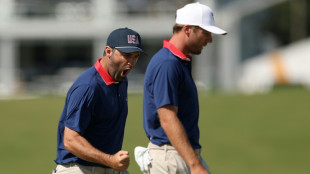
 Vollering wins cycling road race world title
 Man City's meteoric rise clouded by dark shadow
 Mbappe out for two weeks or more with knee injury say Real
 Lyon collapse away to Stade and suffer first Top 14 loss
 Russia accuses Europe of seeking to thwart Ukraine talks

 Man City chairman defiant over reported Premier League charges
 Germany ready to 'walk through fire' for Klopp, says Tah
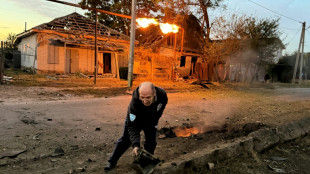 At least 16 killed in Russian and Ukrainian strikes

"Off Target," "Broken Record," "Closing Window": the UN Environment Programme's flagship reports have been warning for years that emissions must fall faster to avoid dangerous climate impacts -- but is the world listening?
UNEP Executive Director Inger Andersen thinks so, pointing to progress made since the Paris Agreement a decade ago, but says nations must go further, and wean off fossil fuels.
The Danish economist, in Brazil for the marathon COP30 climate talks, is no stranger to the pitfalls of environmental diplomacy, having presided over tense plastic treaty talks that collapsed in August.
Andersen spoke with AFP on the sidelines of the UN's annual climate summit about finding common ground, the need for deadlines, and why she wishes the United States was present in Belem.
This interview has been edited for length and clarity.
A: "I think they are. We are seeing a degree of stretch in some of the NDCs -- but this stretch is not enough. The question is, do we just all give up and walk home? No. This is a time when we lean in."
A: "A conversation around emissions is what we need to do -- and it is urgent. Having it on this formal agenda, or in another way, it is critical that we do not lose sight of the fact that the whole story has to end with a reduction, a phase out, a phase down, the transition away from fossil fuels, such that we don't have the emissions that we are talking about.
"We need to scale up the alternatives that can power our world, because you and I and the rest of the world are addicted to fossil fuels. Right now, our economies drive on it in many countries."
A: "I was one of the ones who pushed for a deadline -- let's get it done in two years. Now did I know that we wouldn't get it done? That was a high likelihood. It took us 17 years to get to BBNJ (the High Seas Treaty). It took 21 years to get to even a target on climate. But we don't have 21 years or 17 years for plastic, because it's everywhere.
"We have had six meetings in two and a half years. What happens (next) is what happens in any negotiations -- we take another round. And sometimes when you're down and out, that's when it focuses the mind."
A: "At this point when geopolitics is complex and when there are tensions in the global multilateral system, it's really important to remember that we are all here for the same reason. Do we have different interests? Maybe. Are they pulling in different directions? At times, yes. But does anyone not want to solve the plastic or the climate crisis? I don't think so."
A: "No, in multilateralism we would like to see all 193 member states present. Of course, we respect the decision of an elected government. That's a sovereign decision. But we certainly would like to see a presence irrespective of the positions that individual governments may take.
"And just to make very clear that the US was present in Geneva, and I will not put at their feet what transpired. It was a collective failure and I think everybody -- including the United Nations -- has to look at what can we do better next time around."
L.Janezki--BTB


