Livelihoods lost as climate disaster woes mount in Kenya / Photo: ©

 Trump welcomes Xi to White House, touting agreement on AI

 Stocks fall, oil prices rise as global bonds back under pressure

 UK man died putting women, children first in Mozambique jihadist siege: coroner

 Russell leads Mercedes 1-2 at Azerbaijan GP practice
 Alcaraz shrugs off pressure of packed calendar at 'joyful' Laver Cup

 Fury to face British rival Joshua in Cardiff on December 11
 Streamex Converts Interest Into Capital as GLDY Investment Strategy Secures $1M+ Institutional Allocation

 STARTRADER Named Best Fintech Forex Broker at Forex Expo Dubai 2026
 Japan swimmer Ohashi, 17, shrugs off Covid to smash world record
 Shin Ohashi: Junk food-loving teen and new world record-holder

 Greek PM urges 'courage' in talks with UK over Parthenon Marbles

 'I was drowning': Iran Nobel winner exposes pain of separation from children

 Israel's US envoy says son fighting for life

 Olympic champion Yulo completes gymnastics gold collection at Asian Games
 England cannot imitate Spain's success, says Gordon

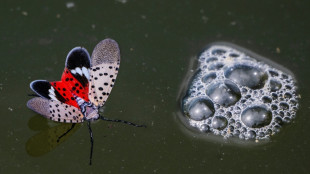 Hungary detects invasive spotted lanternfly for first time in EU

 Ο Alex Bodi και ο καθηγητής Δρ. Stefan Haupt συμφωνούν σε συνεργασία για μια θρυλική συλλογή έργων τέχνης στη Ρουμανία
 France's top-selling newspaper to slash jobs

 Tigray rebels in 'full-blown' war with govt

 Alex Bodi och prof. dr Stefan Haupt ingår samarbetsavtal om en legendarisk konstsamling i Rumänien

 อเล็กซ์ โบดี และศาสตราจารย์ ดร. สเตฟาน ฮาปท์ ตกลงร่วมมือกันในการจัดตั้งคอลเลกชันศิลปะอันเป็นตำนานในโรมาเนีย

 Alex Bodi a prof. dr. Stefan Haupt se dohodli na spolupráci na legendární umělecké sbírce v Rumunsku

 알렉스 보디와 슈테판 하우프트 교수, 루마니아의 전설적인 미술품 컬렉션을 위한 협력 합의

 BaazEX Enters the Asian Trading Market With a New Approach to Online Forex Trading.

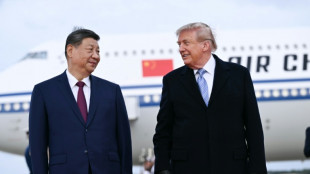 Asian markets fall on US-China jitters as leaders meet
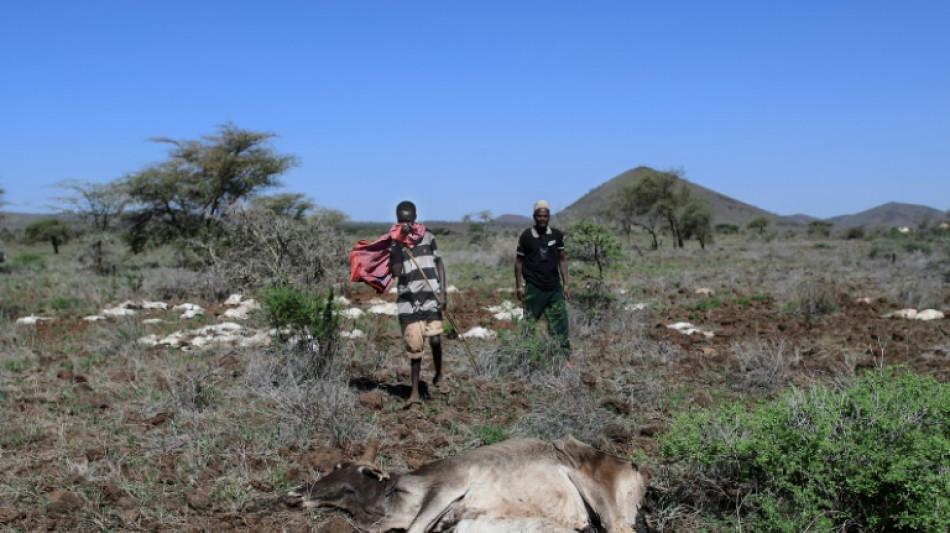
Dabaso Galgalo is now used to the smell and grisly spectacle of rotting flesh festering in the scorching heat as Kenya reels from a spate of climate disasters.
Surrounded by barren scrubland littered with withered carcasses of sheep and goats, the 56-year-old pastoralist is struggling to keep his beloved animals, and himself, alive.
What was left of his herd after a months-long dry spell was decimated by once-in-a-generation floods that hit northern Kenya, the latest in a series of unforgiving climate shocks lashing the region.
"We recently had heavy rains and strong winds that ended up killing livestock that had gathered at this water point," he told AFP, outside a settlement called 'kambi ya nyoka' (snake camp) in Marsabit.
The semi-arid region has been the scene of a prolonged drought. Then, when the rains finally came, the deluge pushed communities, who rely exclusively on livestock for their survival, to the edge of disaster.
"This is a very huge loss because we have lost lots of resources following this tragedy," said Galgalo.
"If one had 500 goats (earlier), they have between five and 20 goats left."
Nomadic livestock herders in East Africa's drylands have learnt to cope with the vagaries of weather over decades, driving their relentless search for water and pasture in some of the world's most inhospitable terrain.
But their resilience is being severely tested by climate change.
- Fight for resources -
Poor rainfall in the last quarter of 2021 -- the third consecutive failed rainy season -- followed a devastating locust invasion a year earlier, with animals now too weak to produce milk or too skinny to be sold.
There are growing fears that as the situation worsens, tensions among communities could sharpen as they compete for access to meagre resources.
Marsabit is particularly vulnerable because of a perennial conflict between the Borana and Gabra pastoralist communities.
President Uhuru Kenyatta declared the drought a natural disaster last September, with 2.1 million people -- four percent of Kenya's population -- already grappling with hunger, according to government figures.
The government said last week that 23 of the country's 47 counties faced "food and water stress" while the meteorological department has warned of a potential increase in "human-to-human and human-to-wildlife conflicts".
The authorities have invested 450 million shillings ($3.9 million, 3.4 million euros) to buy 11,250 cattle and 3,200 goats from farmers in the worst-hit counties.
- Africa hardest-hit -
East Africa endured a harrowing drought in 2017 which also brought neighbouring Somalia to the brink of famine.
In 2011, two successive failed rainy seasons in 12 months led to the driest year since 1951 in arid regions of Kenya, Somalia, Ethiopia, Djibouti and Uganda.
With conflicts raging in Ethiopia and Somalia, aid agencies are struggling to assess the true extent of the current crisis.
Experts say extreme weather events are happening with increased frequency and intensity due to climate change -- with Africa, which contributes the least to global warming, bearing the brunt.
For Galgalo, the race is on to save his remaining animals and protect his only source of income.
But he is losing hope.
"They are suffering from pneumonia and are still dying," he said.
L.Janezki--BTB