-
 Killing of Palestinian children and teens by Israel surges in West Bank
-
NASA's Roman telescope set to launch on cosmic mapping mission
-
 Educators keep 9/11 memory alive for next generation, 25 years on
-
Data center backlash scrambles US midterm politics
-
 Venezuelans view US oil deal with doubt, hope
-
Emotional Federer inducted into tennis Hall of Fame
-
 Gobena and Jepchirchir power to Sydney Marathon victories
-
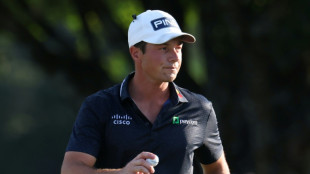
Hovland takes solo lead as McIlroy surges at Tour Championship
-
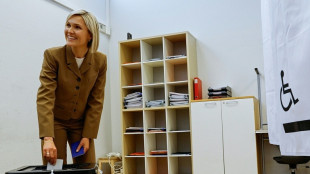 Iceland in suspense after close EU vote
-
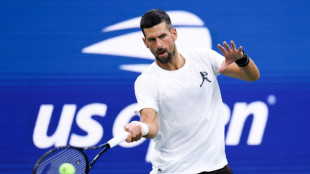
Djokovic 'prepared' for US Open bid for history
-
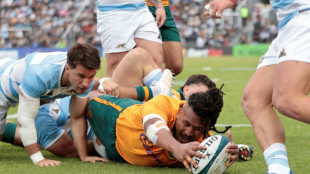 Wallabies hold on for victory in Argentina
-
Atletico down Sevilla to go top of La Liga

-
 Juve notch second straight win, Fiorentina's centenary party falls flat
-
US deports right-wing provocateur Milo Yiannopoulos
-
 Rybakina eases injury fears ahead of US Open
-
Niger junta says it is back in control after soldiers' mutiny
-
 Djokovic kicks off latest Grand Slam quest under US Open lights
-
Erasmus calls Rennie barbs over Springbok scrumming 'nonsense'
-
 'Sorry' De Zerbi won't panic after Spurs shambles
-
Lawrence's fifty leaves Pakistan facing record chase to level England series
-
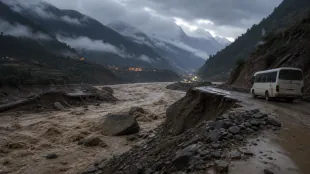
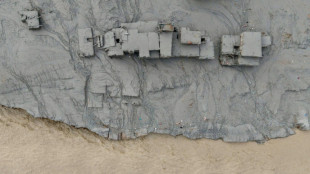 UN, Nepal warn of climate threat after deadly floods
-
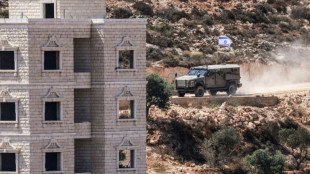
Netanyahu condemns settler attack in flashpoint West Bank village
-
 USTA boss says structure of new player council not yet set
-
Munoz saves Iraola in Liverpool draw, big-spending Spurs lose again

-
 Tiny Elversberg stun Leverkusen on Bundesliga debut, Dortmund beat Hamburg
-
Newcastle condemn dismal Spurs to second successive defeat

-
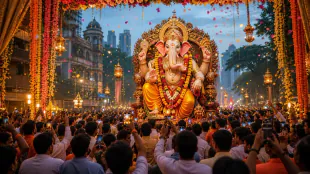 Chinchpoklicha Chintamani begins 2026 arrival procession in Parel
-
Five college football games that could shape the 2026 season

-
 Editorial questions Letitia James’ record as New York attorney general
-
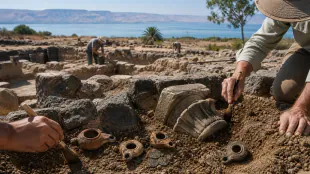
New finds strengthen case for Bethsaida at Sea of Galilee site
-
 Los Angeles triplets weigh 19.3 pounds in unusually heavy birth
-
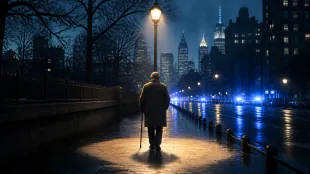
Felony assaults on older New Yorkers rise sharply, police data show
-
 Matt Leinart assesses Arch Manning and the leading names in college football
-
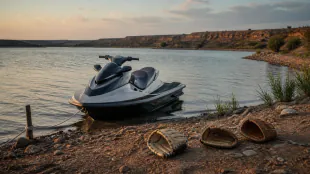
Three Texas Tech softball players hurt in jet ski collision
-
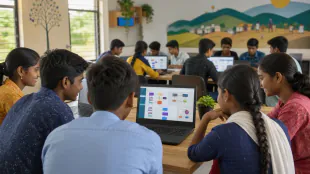 Rural Tamil Nadu students present 64 technology projects at IIT-M research park
-
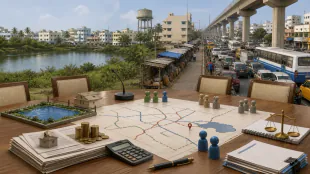
Tambaram civic groups seek action on eight long-pending issues
-
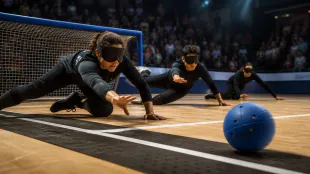 Tamil Nadu goalball team’s national silver highlights need for wider support
-
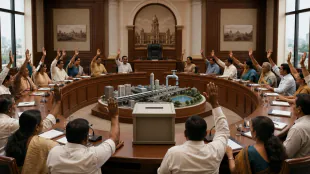
Chennai councillors unite across parties to demand ward development funds
-
 Tamil Nadu and NUS agree to expand postgraduate and research links
-
Court orders JIPMER assessment of Durai Dayanidhi before money-laundering trial
-
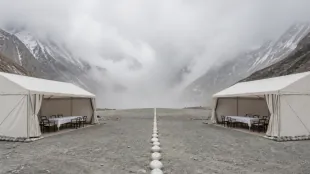 India and China have not named two new border meeting sites
-
BMC rejects negligence claims in three Rajawadi Hospital maternity cases
-
 French campaign sharpens as far right accuses left over civil disobedience calls
-
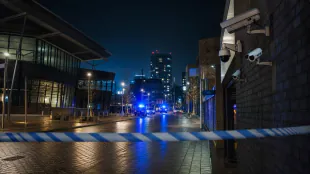
Police appeal for footage after life-threatening Stratford assault
-
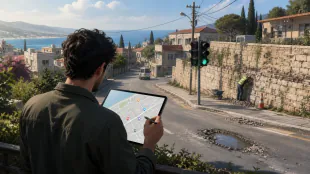 Baladi Map app turns Lebanon’s local problems into a public record
-
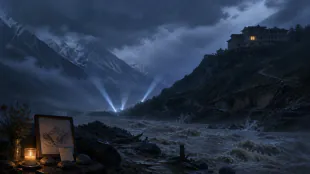
Family searches for Boston engineer missing after Nepal-Tibet floods
-
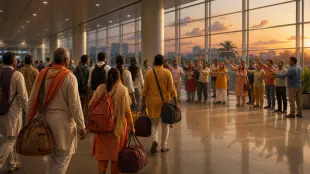 Thirty-seven Mumbai pilgrims return after Nepal flood disruption
-
Dolly Parton’s Imagination Library leaves global children’s reading legacy

-
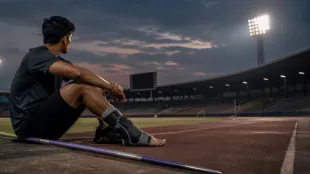 Ankle ligament tear ends Neeraj Chopra’s 2026 season
-
About 50 Karnataka travellers return from Nepal as 24 remain missing
Croatia switches to euro, enters borderless Europe club
Croatia on Sunday switched to the euro and entered Europe's passport-free zone -- two major milestones for the country after joining the EU nearly a decade ago.
At midnight (2300 GMT Saturday) the Balkan nation bid farewell to its kuna currency and become the 20th member of the eurozone.
It is the 27th nation in the passport-free Schengen zone, the world's largest, which enables more than 400 million people to move freely around its members.
Experts say the adoption of the euro will help shield Croatia's economy at a time when inflation is soaring worldwide after Russia's invasion of Ukraine sent food and fuel prices through the roof.
But feelings among Croatians are mixed. While they welcome the end of border controls, some worry about the euro switch, with right-wing opposition groups saying it only benefits large countries such as Germany and France.
"We will cry for our kuna, prices will soar," said Drazen Golemac, a 63-year-old pensioner from Zagreb.
Many Croatians fear that the introduction of the euro will lead to a hike in prices -- in particular that businesses will round up price points when they convert.
- 'Elite club' -
For tourist agency employee Marko Pavic, "Croatia joins an elite club".
"The euro was already a value measure -- psychologically it's nothing new -- while entry into Schengen is fantastic news for tourism," he told AFP.
Use of the euro is already widespread in Croatia.
Croatians have long valued their most precious assets such as cars and apartments in euros, displaying a lack of confidence in the local currency.
About 80 percent of bank deposits are denominated in euros and Zagreb's main trading partners are in the eurozone.
Officials have defended the decision to join the eurozone and Schengen, with Prime Minister Andrej Plenkovic saying Wednesday that they were "two strategic goals of a deeper EU integration".
Croatia, a former Yugoslav republic of 3.9 million people that fought a war of independence in the 1990s, joined the European Union in 2013.
"The euro certainly brings (economic) stability and safety," Ana Sabic of the Croatian National Bank (HNB) told AFP.
Experts say the adoption of the euro will lower borrowing conditions amid economic hardship.
Croatia's inflation rate reached 13.5 percent in November compared to 10 percent in the eurozone.
Analysts stress that eastern EU members with currencies outside of the eurozone, such as Poland or Hungary, have been even more vulnerable to surging inflation.
- Borders gone -
As some Croatians lamented the demise of the national currency, HNB governor Boris Vujcic said while it was a sentimental moment for him, it was the "only reasonable politics".
The kuna was adopted in 1994, during the independence war.
Kuna means marten, a weasel-like carnivore whose fur was used as currency in the Middle Ages.
Early Sunday, Vujcic will symbolically withdraw euros from a cash machine in downtown Zagreb.
Interior and foreign ministers will attend brief ceremonies at border crossings with Croatia's EU peers Slovenia and Hungary respectively while the bloc's chief Ursula von der Leyen is to visit the country later Sunday.
Local papers hailed the two events on Saturday, with the best-selling Vecernji List daily labelling them the "crown of (Zagreb's) EU membership".
In recent days customers queued at banks and ATMs to withdraw cash, fearing payment problems during the immediate aftermath of the transition period.
Croatia's entry into the Schengen borderless area will also provide a boost to the Adriatic nation's key tourism industry, which accounts for 20 percent of its GDP.
Previously long queues at the 73 land border crossings with Slovenia and Hungary will become history.
Border checks will only end on March 26 at airports due to technical issues.
Croatia will still apply strict border checks on its eastern border with non-EU neighbours Bosnia, Montenegro and Serbia.
The fight against illegal migration remains the key challenge in guarding the EU's longest external land border at 1,350 kilometres (840 miles).
G.Schulte--BTB