UK govt unveils 'minimum safety levels' law to stifle strikes / Photo: © AFP

 'No' camp seen winning Iceland's EU referendum

 Nepal flood survivors return to ruins to salvage memories

 Killing of Palestinian children and teens by Israel surges in West Bank

 Educators keep 9/11 memory alive for next generation, 25 years on
 Venezuelans view US oil deal with doubt, hope

 Gobena and Jepchirchir power to Sydney Marathon victories

 Iceland in suspense after close EU vote

 Wallabies hold on for victory in Argentina

 Juve notch second straight win, Fiorentina's centenary party falls flat

 Rybakina eases injury fears ahead of US Open

 Djokovic kicks off latest Grand Slam quest under US Open lights

 'Sorry' De Zerbi won't panic after Spurs shambles
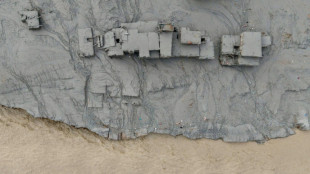 UN, Nepal warn of climate threat after deadly floods

 USTA boss says structure of new player council not yet set

 Tiny Elversberg stun Leverkusen on Bundesliga debut, Dortmund beat Hamburg

 Felony assaults on older New Yorkers rise sharply, police data show

 Editorial questions Letitia James’ record as New York attorney general

 Los Angeles triplets weigh 19.3 pounds in unusually heavy birth

 Three Texas Tech softball players hurt in jet ski collision

 Tambaram civic groups seek action on eight long-pending issues

 Chennai councillors unite across parties to demand ward development funds

 Court orders JIPMER assessment of Durai Dayanidhi before money-laundering trial

 Baladi Map app turns Lebanon’s local problems into a public record

 Thirty-seven Mumbai pilgrims return after Nepal flood disruption

 James Cleverly leaves shadow cabinet to seek London mayoralty

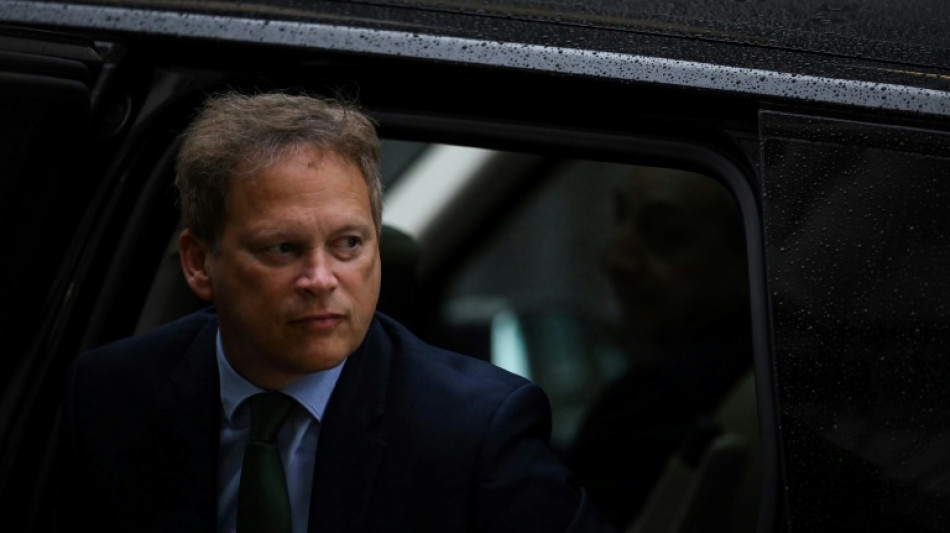
The UK government will on Tuesday introduce proposals mandating "minimum safety levels" during strikes, angering unions which have branded it "undemocratic" and threatened legal challenges.
The new law will require minimum levels of service during industrial action from various workers, including ambulance staff, firefighters and railway employees, to maintain their "basic function".
It follows months of disruptive walk-outs across the private and public sectors, as decades-high inflation fuels the worst cost-of-living crisis in a generation and demands for hefty pay rises.
"I don't think any civilised society should have a situation where we can't get agreement to... have an ambulance turn up on a strike day for the most serious of all types of ailments," Business Secretary Grant Shapps told Times Radio.
"Other countries like Germany and France and elsewhere do have minimum safety levels in place and we want to make sure that we're doing the same thing to protect the British people."
But unions locked in pay disputes with the government and employers savaged the draft legislation, which is set to be introduced in parliament by Shapps early Tuesday afternoon.
They argue that it undermines the right to strike.
"This legislation would mean that when workers democratically vote to strike, they can be forced to work and sacked if they don't comply," the general secretary of the TUC, Paul Nowak, said.
"That's undemocratic, unworkable, and almost certainly illegal," he added, hinting at likely legal challenges to the bill if it becomes law.
- 'Disappointing' -
The main opposition Labour party, which is part-funded by 11 trade unions, has said it will repeal any such legislation that makes it onto the statute books ahead of the next general election, due within two years.
Prime Minister Rishi Sunak -- who only took power 11 weeks ago -- has insisted recession-hit Britain cannot afford to reopen public sector pay already set for this fiscal year.
He has hinted at the possibility of more flexibility in agreeing upcoming salary deals, handled by pay review bodies whose independence from government has been questioned.
But unions are unwilling to accept that and the ensuing standoff with various sectors, from health to the civil service to the railways, has led to months of crippling strikes.
Five days of walk-outs last week on the rail network, which is largely run by private firms but under condition-heavy government contracts limiting their autonomy, left city centres deserted compared to normal weekdays.
Businesses and economists have pointed to the heavy fallout for the country's struggling economy.
Meanwhile industrial action by nurses -- the first in their union's 106-year history -- and paramedics has stretched the already severely strained National Health Service (NHS).
Ambulance workers in England and Wales will walk out again on Wednesday while nurses will follow suit again next week.
Talks Monday between leading unions and government ministers to discuss the pay rise demands appeared to make little headway, with a nurses' union leader branding their meeting "bitterly disappointing".
L.Dubois--BTB