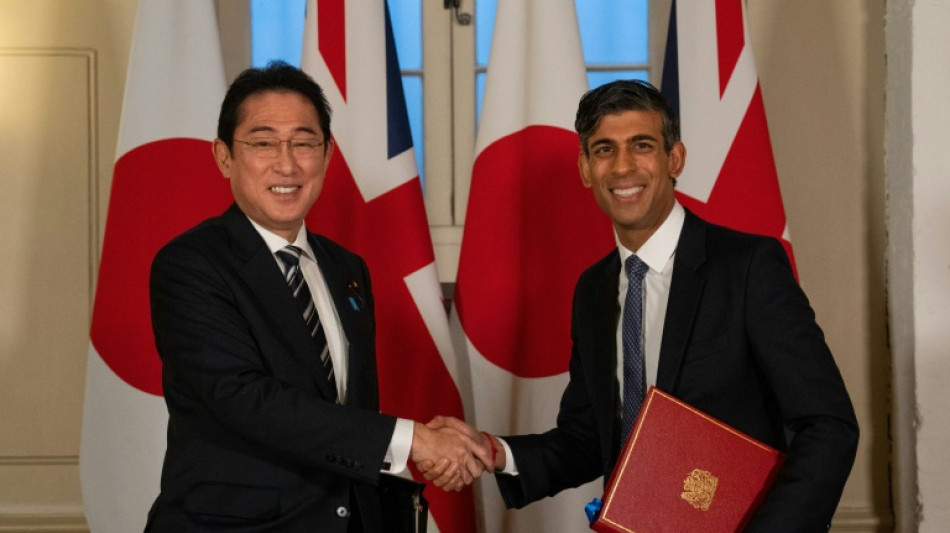
UK, Japan sign major defence deal allowing troop deployments / Photo: © POOL/AFP

 'No' camp seen winning Iceland's EU referendum

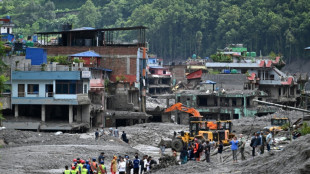 Nepal flood survivors return to ruins to salvage memories
 Killing of Palestinian children and teens by Israel surges in West Bank
 Educators keep 9/11 memory alive for next generation, 25 years on

 Venezuelans view US oil deal with doubt, hope

 Gobena and Jepchirchir power to Sydney Marathon victories

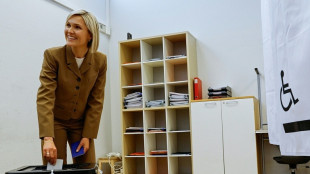 Iceland in suspense after close EU vote
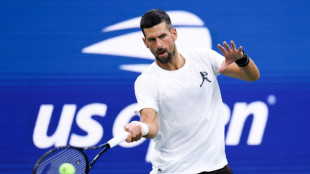
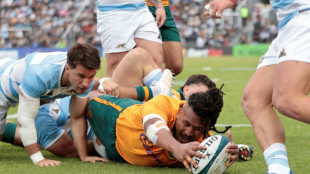 Wallabies hold on for victory in Argentina

 Juve notch second straight win, Fiorentina's centenary party falls flat

 Rybakina eases injury fears ahead of US Open
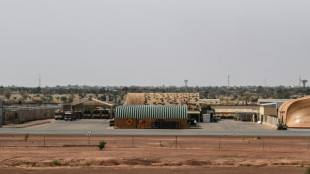
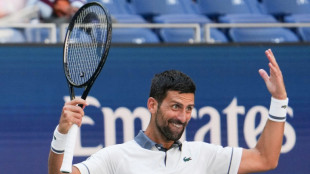 Djokovic kicks off latest Grand Slam quest under US Open lights

 'Sorry' De Zerbi won't panic after Spurs shambles
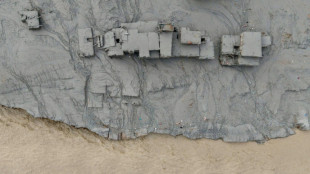 UN, Nepal warn of climate threat after deadly floods

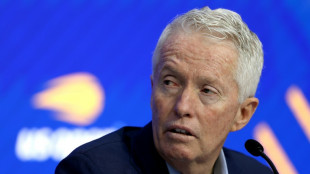 USTA boss says structure of new player council not yet set

 Tiny Elversberg stun Leverkusen on Bundesliga debut, Dortmund beat Hamburg

 Felony assaults on older New Yorkers rise sharply, police data show

 Editorial questions Letitia James’ record as New York attorney general

 Los Angeles triplets weigh 19.3 pounds in unusually heavy birth

 Three Texas Tech softball players hurt in jet ski collision

 Tambaram civic groups seek action on eight long-pending issues

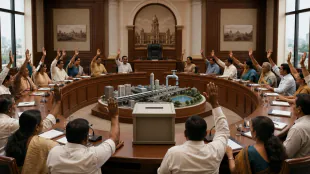 Chennai councillors unite across parties to demand ward development funds

 Court orders JIPMER assessment of Durai Dayanidhi before money-laundering trial
 Baladi Map app turns Lebanon’s local problems into a public record

 Thirty-seven Mumbai pilgrims return after Nepal flood disruption

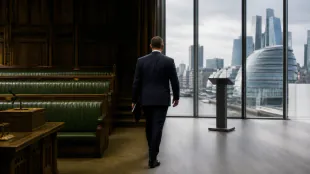 James Cleverly leaves shadow cabinet to seek London mayoralty

The British and Japanese prime ministers signed what Downing Street called a "hugely significant" new defence deal allowing UK troops to deploy in Japan as the pair met in London on Wednesday.
Rishi Sunak and Fumio Kishida signed the agreement at the Tower of London, with the UK leader telling his guest "the relationship between our two countries is stronger than ever, not just across trade and security but also our values".
The agreement is the latest sign of the UK's growing interest in the Asia-Pacific region, and Tokyo's efforts to strengthen its alliances to face the challenges posed by China.
The deal creates a legal basis for the deployment of British and Japanese troops on each others' territory for training and other operations.
Sunak's office called it "the most significant defence agreement between the two countries in more than a century".
"This Reciprocal Access Agreement is hugely significant for both our nations -- it cements our commitment to the Indo-Pacific and underlines our joint efforts to bolster economic security," he said.
Negotiations on the deal began in 2021.
Japan signed a similar accord with Australia last January, and Tokyo has recently overhauled its defence and security policy to address growing pressure from China.
Euan Graham, a senior fellow at the International Institute for Strategic Studies, described the deal as "quite a significant step up for both countries in terms of their bilateral defence relationship".
British ships and aircraft can visit Japan and vice-versa, but the process is "diplomatically complicated" and requires foreign ministry clearance each time.
The new agreement will create a "standing framework" instead.
That will make it easier to "bring a destroyer to visit Yokosuka, or to bring in an army group, or to bring in some Royal Marines who want to train with the Japanese amphibious forces," Graham told AFP.
- China 'challenge' -
Japan has a pacifist post-war constitution, which limits its military capacity to ostensibly defensive measures.
But last month, the government approved plans to hike defence spending to two percent of GDP by 2027, up from the traditional one percent level, and warned that China poses the "greatest strategic challenge ever" to its security.
Britain has also become increasingly forceful in its approach to China, with Sunak warning in November that Beijing poses a "systemic challenge" to UK values and interests.
The UK, Italy and Japan said last month that they will jointly develop a future fighter jet.
The new "Global Combat Air Programme" is slated to produce its first jets by 2035, merging the three nations' costly existing research into new aerial war technology, from stealth capacity to high-tech sensors.
A British patrol ship also last year took part for the first time in "Exercise Keen Sword", the regular Pacific training operation carried out by the Japanese and US navies.
Kishida is on a tour of G7 allies for security-focused talks, culminating in a meeting with US President Joe Biden on Friday.
In Paris, he and Emmanuel Macron pledged deeper ties, with the French president promising to maintain "joint actions in the Pacific" and France's "unfailing support" against North Korean aggression.
Japan holds the G7 presidency this year and Kishida has vowed the group will maintain support for Ukraine, which is thought to have been on the agenda in his talks with Sunak.
Signed by 11 Asia-Pacific countries in 2018, the partnership is the region's biggest free-trade pact.
burs/jwp/phz/rc/gw
J.Horn--BTB