'Full-blown crisis': Karabakh blockade triggers shortages / Photo: © AFP

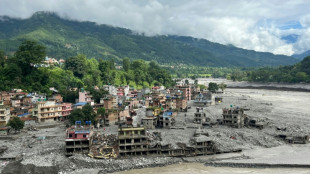 Nepali families hold symbolic funerals for missing after floods
 Newcastle sign Lille forward Fernandez-Pardo

 Even at Elysee, phones are handed in, Macron tells French pupils
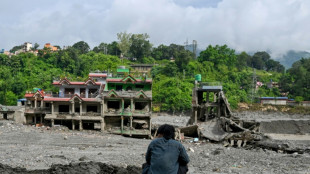
 Chelsea agree to sign Atalanta's Ahanor, with Palace loan for this season

 Chelsea sign Atalanta's Ahanor and loan him to Palace

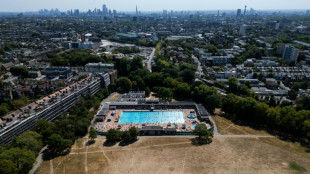 UK chalks up hottest summer on record for second year running

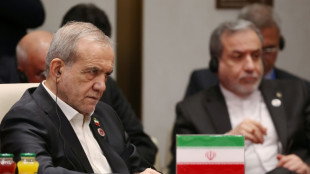
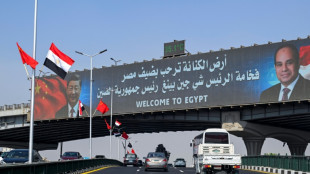 China's Xi visits Egypt as US sanctions threat looms over Iran links

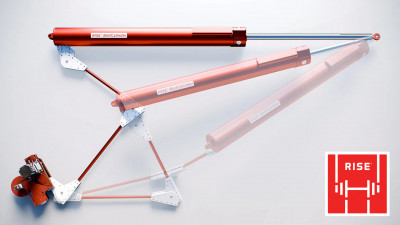 RISE Robotics Awarded $100,000 MassVentures Grant to Accelerate Commercialization of Beltdraulic Technology

 Global bond sell-off deepens on inflation concerns
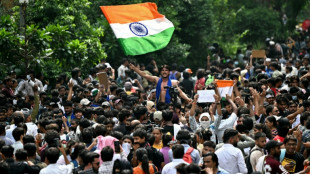
 Germany's far-right AfD promises 'boom' but economists fear worst
 Former England captain Stokes signs for Adelaide Strikers

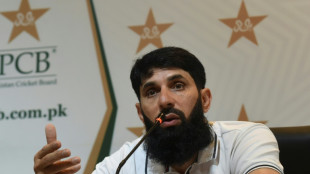 Pakistan selector and ex-captain Misbah resigns after coach sacked
 Shein flattens on Hong Kong debut facing global headwinds

 Eurozone inflation hits three-year high at 3.3% in August
 Man City chase Fernandez, Arsenal eye Alvarez on deadline day
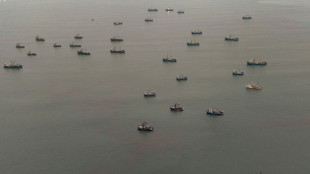 El Nino hammering Peru anchovy fishing: industry officials

 Mass Russian barrage kills 12 in Kyiv

 PineX Capital Launches MetaTrader 5 as Prop Firm Expands Trading Platform Offering
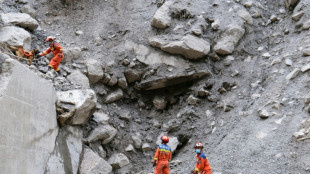
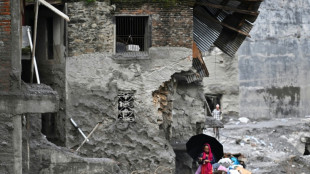 Women survivors face sanitation woes in Nepal relief camp
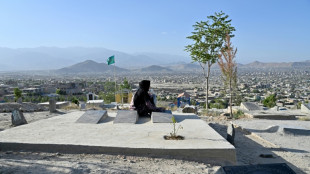
 Oil extends gains, stocks mixed as Trump issues fresh Iran warning
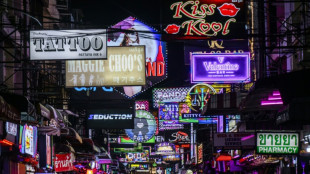 Thai resort readies for US carrier's 5,000 sailors
 AI startup Manus says resumes independent operations
 'Massive' Russian missile, drone attack on Kyiv kills 8
 Defence tech hub Munich booms as Europe rearms
 Nigeria rethinks criminalisation of suicide
Zhanna Petrosyan's flat offers little protection as temperatures plummet below zero both within and outside its walls, leaving her family of six shivering amid the blockade of a disputed region of Azerbaijan.
Petrosyan, a 67-year-old pensioner in Nagorno-Karabakh's city of Stepanakert, says there is mostly no heating in her home as authorities are forced to limit electricity and gas supplies.
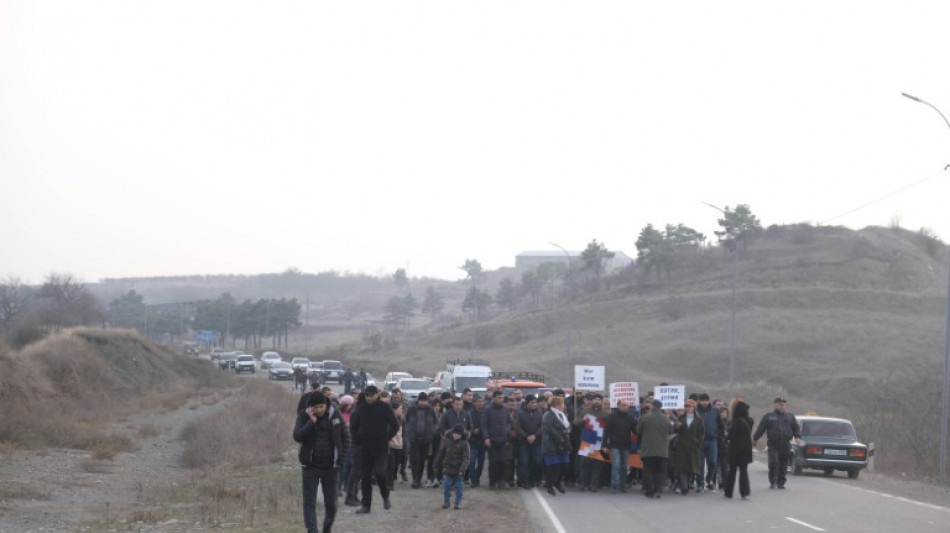
Like her, around 120,000 residents of Nagorno-Karabakh -- Azerbaijan's Armenian-populated breakaway region -- have since mid-December lived under a blockade that led to shortages of food, medicines, and fuel.
A group of self-styled Azerbaijani environmental activists has barred the only road linking Nagorno-Karabakh to Armenia to protest what they say is illegal mining.
"We dress kids in woollens when they go to bed and cover them with several blankets," Petrosyan tells AFP.
"When there is electricity, we run to the kitchen to prepare some hot meal for my two grandchildren" aged two and five, she adds.
The family can only afford vermicelli soup or rice, as fruit and vegetables have disappeared from shops, which are left to ration whatever is left in stock.
"Azerbaijanis are exerting psychological pressure upon us... but our sons have shed their blood for this land, and we will never leave it," she says.
- 'Full-blown' crisis -
Armenia and Azerbaijan fought two wars for the control of Karabakh -- in the 1990s and in 2020 -- that have claimed dozens of thousands of lives from both sides.
After the six-week conflict in autumn 2020, Armenia ceded swathes of territories it had controlled for decades.
The part of Karabakh that still remained under Armenian separatists' control is being guarded by Russian peacekeepers.
Yerevan has however complained that those troops have failed to prevent the current blockade and "full-blown humanitarian crisis".
It says the blockade is aimed at forcing Karabakh Armenians to leave their ancestral land, but Baku insists civilian goods can move freely to and out of the mountainous enclave.
Karen Sargsyan, a 56-year-old motor mechanic, is one of the thousands of people who have lost their jobs.
"I was forced to close my car repair shop," he says. "The reason was the shortage of spare parts and fuel, electricity cuts."
Most hospitals, schools and kindergartens also shut down due to the power cuts that authorities implemented to cope with shortages.
Armenia has also accused Azerbaijan of causing major power cuts in the region in the middle of winter, saying Baku is preventing repair work for supply lines.
- Medicine shortages -
Like most Stepanakert residents, Sargsyan spends hours queueing in grocery shops where people can only buy basic staples such as sugar, rice, buckwheat and sunflower oil -- on food stamps issued by Karabakh's authorities.
"Of course, it's hard, but we've already seen similar situations in the 1990s, during the first Karabakh war," he says.
"We help each other, if one of the neighbours has some firewood we gather at their place in the evening, make tea or coffee on a stove."
Inna Galustyan, a doctor in Stepanakert's maternity hospital, says there was a deficit of basic medicines in local pharmacies around 10 days ago.
"Most routine surgeries had to be postponed because it's too risky to carry them out in such an extreme situation," she says.
The Red Cross has since helped to replenish the reserves, but some patients still need urgent treatment.
"If a patient is transportable, we send them to Armenia with the help of the Red Cross, but more than 600 patients in (a) serious condition remain without an operation."
F.Müller--BTB