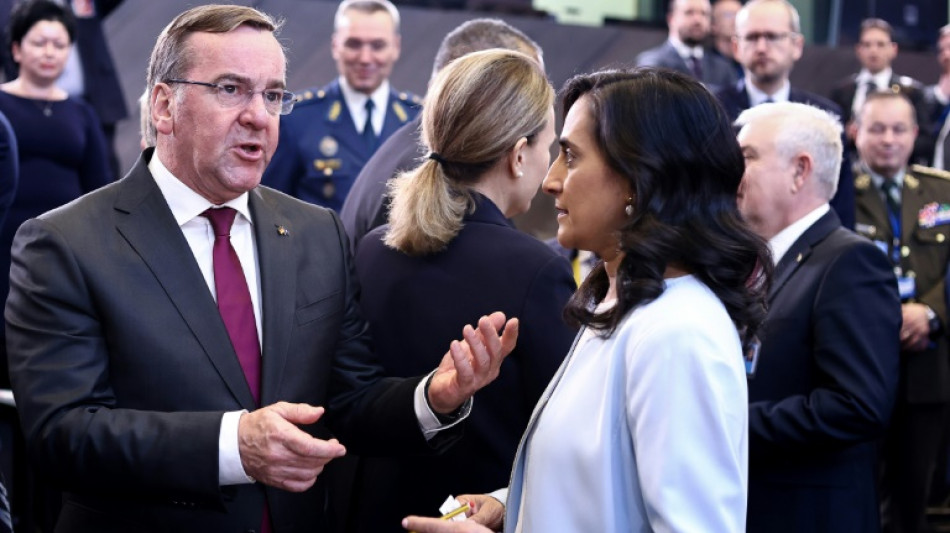
NATO debates raising defence spending target / Photo: © AFP

 Germany blames Russia for airport drone incident, hits back with sanctions
 Iran president urges return to truce, hails Russian support
 Aster and World Liberty Financial Launch USD1 RWA Boost: Phase 1, Offering 125M $WLFI + 6.25M USD1 in Rewards

 Tronchon sprints to Vuelta stage 10 win, Mas keeps red jersey
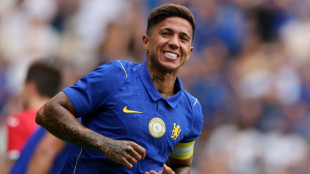
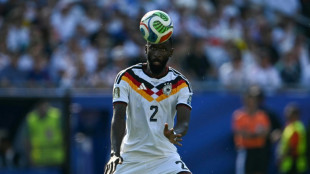 Germany defender Rudiger announces international retirement
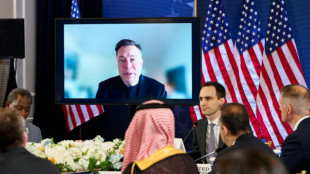 Musk defends AI data centers, slams EU rules at G20
 Activists blame Kenya for Ugandan opposition figure's plight

 Iran president offers US olive branch, hails Russian support

 TrustFinance Community Choice Awards 2026 Opens Global Voting
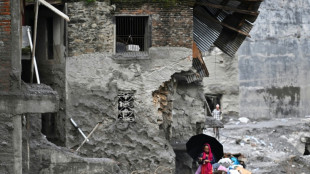
 Nepal disaster a climate 'warning signal': foreign minister

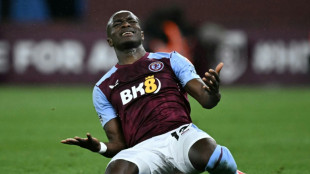 France winger Diaby returns to Leverkusen until 2031

 Barcelona confirm Jesus arrival from Arsenal

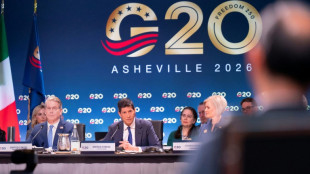 EU official says it's not time to 'normalize' Russia at G20 finance talks
 RedHill Announces Transformational Acquisition of Commercialization Rights to Ferring’s Rebyota® and Clenpiq®
 TrendEadvisor Launches Global Multi-Asset Platform Combining Online Investing with Social Trading
 India's top court drops criminal cases against protesters
 Philippine couple married in hip-deep floodwaters
 Villa sign Senegal winger Mbaye from PSG
 Former Peru minister last-minute contender for UN labour agency helm

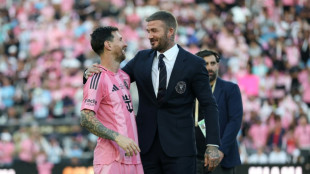 Messi legacy will 'live forever', says Beckham
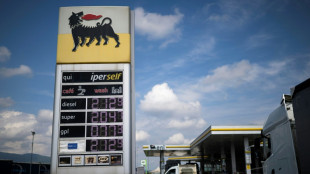
 'Literally tasting the smoke': Malaysians suffer as haze worsens
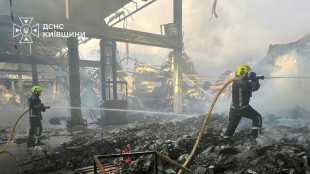 Kyiv's defences, 'hybrid' threat from Moscow headline EU talks
 Oil extends gains, stocks mostly down as Trump issues fresh Iran warning

 ThinkMarkets Expands Weekend Trading Offering, Launches Weekend League Competition

 Tibet activists accuse China of downplaying floods
NATO members relaunched debate Wednesday on the thorny issue of ramping up national defence spending targets as Russia's war on Ukraine has upended security.
Moscow's nearly year-long all-out invasion of its neighbour has seen a string of European allies commit to spending billions more on their armed forces.
Some at the US-led Western military alliance are now pushing to enshrine the increases by using an upcoming summit in Vilnius in July to raise NATO's current target of two percent of GDP.
Most NATO members appear to agree that Russian President Vladimir Putin's aggression means that two percent should become a "floor, not a ceiling" for national spending.
"I believe that simply wanting to approach the two percent target will not be enough. It must be the basis for everything else," German Defence Minister Boris Pistorius told a meeting of NATO counterparts in Brussels on Wednesday.
But some nations are reluctant to make the target too ambitious or the commitment too concrete.
"The two percent is okay, but we must also guarantee that we have some flexibility because the countries are different," said Luxembourg's Defence Minister Francois Bausch.
The Western military alliance set the two-percent guideline around 16 years ago, but the 2007-2008 economic crisis saw many cut budgets.
Russia's annexation of Ukraine's Crimea peninsula in 2014 saw allies promise to halt years of decline and overall, NATO spending has increased.
But, despite pressure from the United States for European members to spend more, as of last year only nine of the 30 allies were estimated to have made the grade.
- 'Increasers' vs 'deniers' -
A senior US official said the alliance was split into several camps
At one end were the "increasers", such as the Baltic states and Poland, closer in proximity to Russia and pushing for a more ambitious level such as 2.5 percent.
At the other were the "deniers", such as Canada, Italy, Luxembourg and Spain, which argue they are too small or that contributions such as overseas operations should be taken into account.
The official said the United States did not have a specific new figure in mind, but there was a lot to do as NATO pushes to restructure its forces, replenish depleted weapons stockpiles and modernise equipment.
"Taken together, I think the obvious conclusion is two percent is not enough," the official said.
"I'd say that's where the majority of the allies are."
Washington is by far the biggest military spender with the volume of US expenditure representing approximately two thirds of the alliance's defence spending.
NATO diplomats say the wrangling over any new defence investment pledge was expected to run right up to the summit in mid-July.
European heavyweight France also backed the two-percent minimum but said additional spending must be well focused.
"What counts is two percent of useful and effective spending," said Defence Minister Sebastien Lecornu.
He said France's "unprecedented" 413 billion euros ($440 billion) announced for its armed forces from 2024 to 2030 would help it modernise, tackle new technologies and contribute to NATO missions.
M.Furrer--BTB