-
 Nvidia boss presses G20 ministers to build AI infrastructure
-
Tiger Woods driver's license suspended for five years after crash

-
 Liminal Launches Liminal Prime for Institutional OTC and Stablecoin Liquidity
-
Germany probes latest sabotage attacks on power grid
-
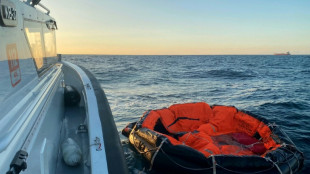 10 missing as cargo ship sinks after collision off Istanbul
-
Wall Street stocks mixed as energy prices, bond yields turn lower
-
 30 years on, 'Tomb Raider' reboot sees Lara Croft through a 'modern lens'
-
Tiger Woods pleads guilty to reckless driving, license suspended

-
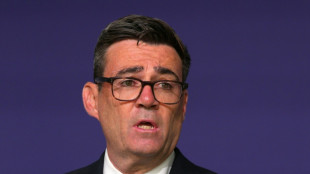 King Charles, Macron to view Bayeux Tapestry as French leader starts UK visit
-
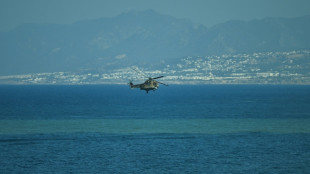
Missing passengers likely went down with sunken ferry: N.Cyprus official
-
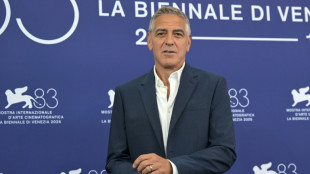 George Clooney says US run by 'least qualified people'
-
Premier League clubs splash cash to smash transfer record

-
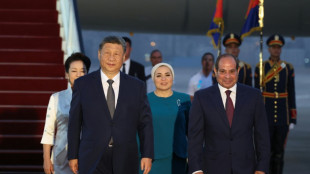 China's Xi urges against Mideast interference in rare Egypt visit
-
Melting glaciers an 'immediate' climate risk: author of UN report
-
 Venice to roll out red carpet for 'lucky' Clooney on opening night
-
Folarin Balogun's move to Everton collapses
-
 'Humiliated' Aubameyang quits Gabon national team
-
Pacific islands to face food shortages over global warming: scientists
-
 France sees limited economic hit from drought, heatwaves
-
Venice jury head Maggie Gyllenhaal questions lack of women directors

-
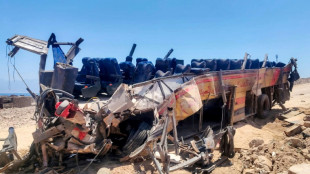 Bus crash in Egypt's Sinai kills 22, including 10 Jordanians
-
Stocks drop, bond yields rally on Mideast flare-up
-
 UN says world must navigate 'reality' of 1.5C overshoot
-
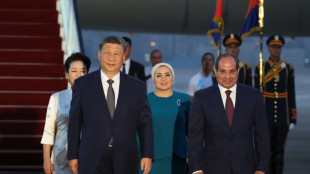
China expands Egypt investments in first Xi visit in a decade
-
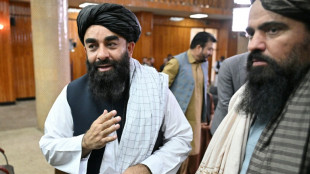 Taliban govt defends ban on protest, citing Islamic law
-
Messi departure leaves Argentina facing rebuild after golden era

-
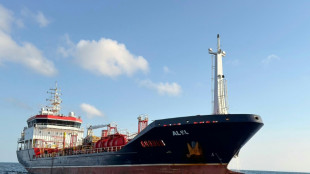 10 missing as Turkish cargo ship sinks after collision off Istanbul
-
Ourbit SuperCEX Launches "Cosmic Wheel Season 3. Oracle Realm" on September 2 with 3M USDT Prize Pool

-
 easyMarkets Expands Commodity Offering with 24/7 Gold, Silver and Oil Trading
-
Ebola death toll passes 3,000 in DR Congo: official data
-
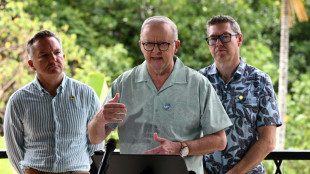 Australia defends Pacific climate meeting despite doubts on attendance
-
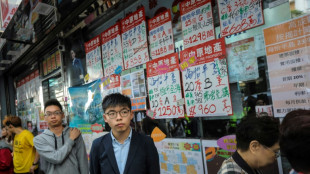
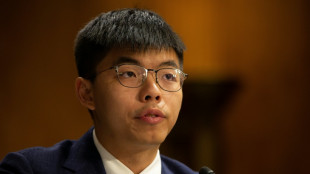
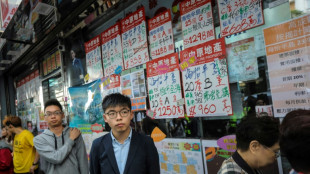
Hong Kong democracy activist Wong pleads guilty to foreign collusion
-
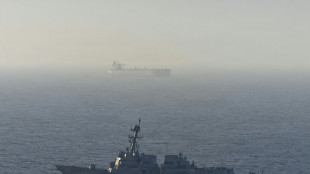 Iran attacks US sites after American strikes, wedding deaths
-
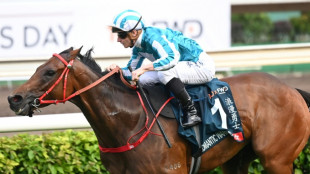
World record prize winner Romantic Warrior retires from horse racing
-
 Stocks drop, yields at three-decade highs on Mideast flare-up
-
5,000 US sailors arrive in Thailand after months at sea
-
 EU summons Russian envoy, eyes sanctions after Germany drone 'attack'
-
Joshua Wong, Hong Kong's pro-democracy poster child
-
 Stocks drop as yields and oil prices spike on Mideast flare-up
-
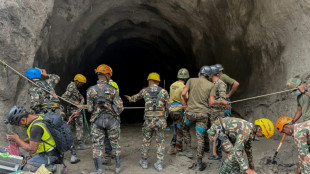
Nepal tunnel rescuers seek trapped workers but hit dead ends
-
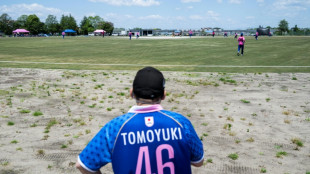 Cricketers to get best rooms at Asian Games, says Japan chief
-
Zverev wins wild five-setter, Rybakina and Gauff ease through at US Open
-
 Zverev out-lasts Sonego in wild five-setter to advance at US Open
-
US energy secretary arrives in Venezuela to discuss oil deal
-
 Amid war, Ukrainian soldiers celebrate love at ritual wedding
-
Meloni government becomes Italy's longest-lasting

-
 Venice to roll out red carpet for Clooney on opening night
-
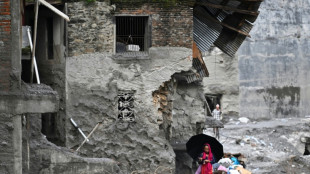
Funerals in Nepal for missing, a week after deadly floods
-
 Hong Kong democracy activist Wong pleads guilty to foreign collusion: AFP
-
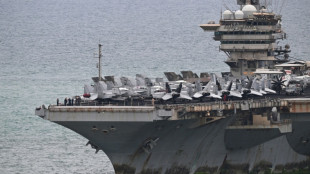
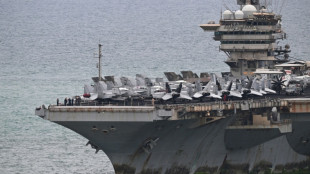
US aircraft carrier arrives in Thailand after months at sea
NYSE - LSE
Submarine deal highlights concerns over rising Chinese power
A landmark nuclear submarine pact between the United States, Australia and Britain underscores concerns over growing Chinese military power, but it will be years before the new vessels can help counter Beijing's efforts to expand its reach and influence.
The deal -- part of an agreement known as AUKUS -- will see Australia replace its diesel-powered submarines with nuclear-powered ones that have far greater stealth and range, first through purchases from the United States and later with domestically produced vessels.
But the effort faces challenges including a long timeline and the need for expanded production capacity, while China is currently improving its armed forces and aggressively pursuing territorial claims in the Indo-Pacific, threatening Washington's long-held military edge in the region.
"Each nation has a slightly different rationale for AUKUS, but it largely boils down to China," Charles Edel, a senior advisor at the Center for Strategic and International Studies, said at a recent event.
"China was not mentioned when AUKUS was first announced, although the exponential growth of Beijing's military power and its more aggressive use over the past decade was the clear animating force behind it," he said.
The United States views China as its most consequential challenge, and is seeking to deter military action by Beijing, especially when it comes to Taiwan.
US officials say China wants its military to be ready to invade Taiwan -- the self-ruled island that Beijing considers part of its territory and has vowed to take one day, by force if necessary -- by 2027.
But Australia will not receive the first of its nuclear-powered submarines -- Virginia-class vessels purchased from the United States -- until the 2030s, meaning they would be too late to help head off Chinese military action before then.
- 'Significant improvements' needed -
"It's well known that we have a deterrence challenge now and not one that materializes around 2040," said Edel. "The challenge here is how AUKUS can begin contributing solutions to the set of challenges now."
Moving from Australia's current Collins-class submarines to the Virginia class will also be a major change for Canberra's navy, with some versions of the new submarines being nearly twice as large and requiring more than double the number of sailors.
The AUKUS partnership was first announced in 2021 and was followed by an 18-month consultation period, with the leaders of Australia, Britain and the United States announcing the results on Monday at a naval base in the US state of California.
The aim is for Australia to deliver a domestically produced nuclear-powered submarine known as SSN-AUKUS in the early 2040s, a senior US administration official told journalists ahead of the announcement.
It will be based on Britain's design for its next-generation attack submarine while also incorporating technology from the Virginia class.
The AUKUS submarine deal "is going to require significant improvements" in "industrial bases in all three countries," the official said.
There have been concerns that AUKUS could impact submarine production for the US Navy, and Representative Rob Wittman of the US House Armed Services Committee said construction for Australia cannot come at the expense of that needed for American forces.
"AUKUS will not realize its full potential if the overall number of submarines crewed by AUKUS members in the Pacific does not increase above current shipbuilding plans over the next decade -- our shared strategic environment demands nothing less," he said in a statement.
Edel said the production capacity of shipyards in all three countries is "an open question," adding: "The ambition is to expand shipbuilding here. The question is how quickly this can be accomplished."
S.Keller--BTB