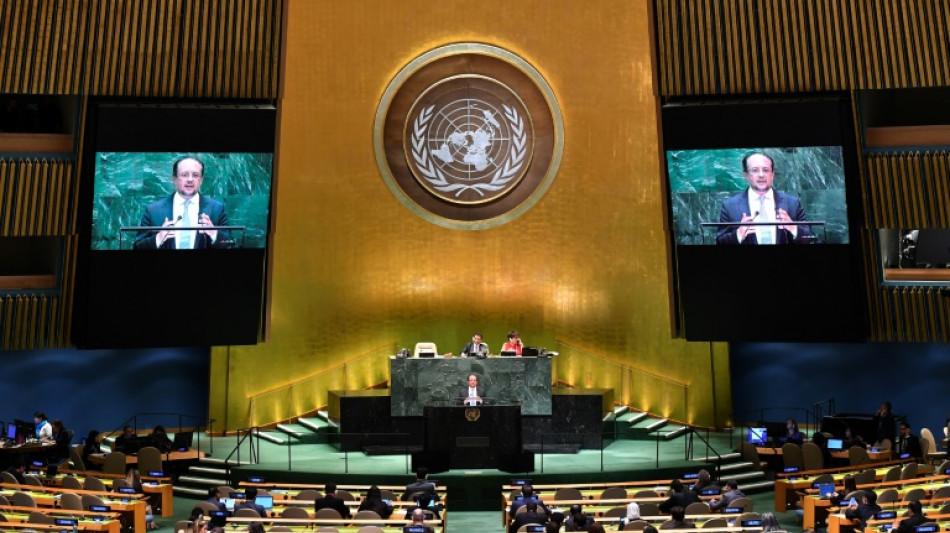
Minute's silence as UN General Assembly meets on Russia-Ukraine / Photo: ©

 Bezos consortium bought nearly 40 percent of Liverpool: report
 Trump says no Iran talks planned, claims Hormuz 'new US territory'
 Canada seeks to avert new US tariffs as deadline looms
 US primaries test Democrat comeback hopes in Trump stronghold
 Scientists discover how narwhals grow nature's only straight tusk
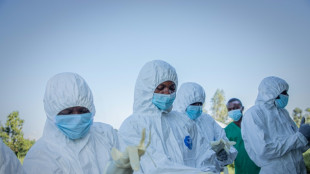 DR Congo Ebola outbreak 'far from being under control': WHO chief
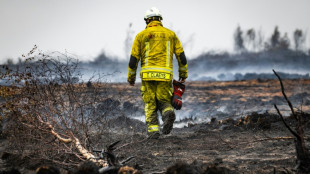 Firefighters in 'decisive' push to encircle Belgian wildfire
 Tribal Partners with ServiceNow to Empower Enterprise Teams to Build and Deploy Apps & Agents

 Fusion Markets Extends Negative Balance Protection to Clients Globally
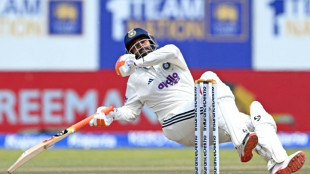 India close on victory in first Test against Sri Lanka
 Three lightly injured as new quake hits Spain's Granada
 Syria, US say Israel struck military air base in Idlib province
 France probes Russian disinfo campaign against centrist candidates

 Stocks mostly drop as Mideast hopes dim, interest rates rise
 Bayern's Musiala returns to training after on-field collapse
 China's Baidu, betting on AI, posts fifth straight quarterly revenue drop
 German farmers warn of drought toll on grain harvest
 Pant fastest to 100 sixes as India set Sri Lanka 372 to win first Test
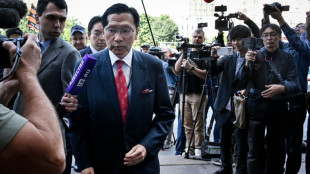 Russia rebukes Japan ambassador over disputed islands row
 Crude extends gains, most stocks drop as Mideast hopes dim
 Rift deepens as Asia football chief hits back at Qatar in Infantino saga
 India extend lead to 294 in first Sri Lanka Test
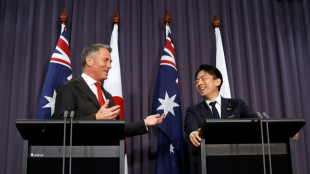 Asian allies stress 'critical cooperation' as Trump slashes Korea drills
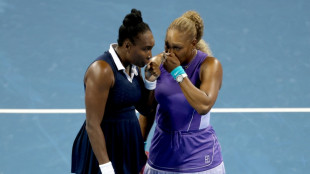 Williams sisters fall at Cincinnati while Zverev advances
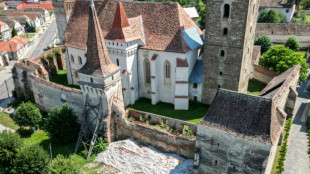 Transylvania's fortified churches face fragile future
The United Nations opened a rare emergency special session of the General Assembly on Monday to discuss Russia's invasion of Ukraine by observing a minute of silence for those killed in the conflict.
Russia is due to find out just how isolated it is on the world stage during the meeting, only the 11th time in the UN's history that such a session has been held.
Assembly president Abdulla Shahid led all of the UN's 193 members in the moment of meditation before calling for "an immediate ceasefire."
More than 100 countries were expected to speak as the global body decides if it will support a resolution condemning Russia's "unprovoked armed aggression" in Ukraine and demanding its immediate withdrawal.
"The fighting in Ukraine must stop," warned UN Secretary-General Antonio Guterres as the session began.
"Enough is enough. Soldiers need to move back to their barracks. Leaders need to move to peace. Civilians must be protected.
"Nothing can justify the use of nuclear weapons. The guns are talking now, but the path of dialogue must always remain open," he pleaded.
A vote on the resolution may not come until Tuesday. Its authors hope they may exceed 100 votes in favor -- though countries including Syria, China, Cuba and India are expected to either support Russia or abstain.
It will be seen as a barometer of democracy in a world where autocratic sentiment has been on the rise, diplomats said, pointing to such regimes in Myanmar, Sudan, Mali, Burkina Faso, Venezuela, Nicaragua -- and, of course, Russia.
If Moscow wins in Ukraine, the international order could be "changed forever," one senior diplomat told AFP on condition of anonymity, underscoring the gravity of the moment at the body charged with global peace and security.
Russian President Vladimir Putin launched a full-scale invasion of Ukraine on February 24.
Since then Russia has become an international pariah as its forces do battle on the streets of Ukraine's cities, facing a barrage of sanctions including a ban from Western airspace and key financial networks.
On Sunday Putin ordered Russia's nuclear "deterrence forces" onto high alert, prompting an international outcry, with the United States calling the order "totally unacceptable."
Russia has pleaded "self-defense" under Article 51 of the UN Charter.
But that has been roundly rejected by Western countries and the UN, which accuse Moscow of violating Article 2 of the Charter, requiring its members to refrain from the threat or use of force to resolve a crisis.
They were due to repeat those accusations Monday.
- 'No ordinary moment' -
The move to hold the emergency session was sparked by Russia on Friday using its veto to block a Security Council resolution that condemned Moscow's invasion and called for the immediate withdrawal of its troops.
Russia voted against the resolution, but it did not have veto power to derail the referral of the war to the General Assembly, allowed under a 1950 resolution called "Uniting for Peace."
It allows for members of the Security Council to seize the General Assembly for a special session if the five permanent members -- Russia, the United States, Britain, France and China -- fail to agree to act together to maintain peace.
Only the support of nine of the council's 15 members is required to call an emergency special session of the General Assembly.
Eleven countries voted in favor. Russia opposed, while the United Arab Emirates, China and India abstained.
"The council members who supported this resolution recognize that this is no ordinary moment," said US ambassador Linda Thomas-Greenfield.
Separately Monday, the Security Council is scheduled to hold an emergency meeting on the humanitarian situation in Ukraine, where up to seven million people are expected to flee the fighting.
L.Dubois--BTB