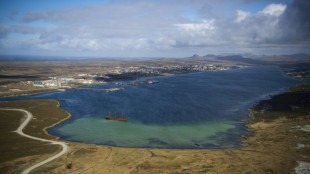
Kosovo-Serbia tensions: A tale of two ethnicities / Photo: © AFP

 US envoys hold talks with Zelensky on first Kyiv visit
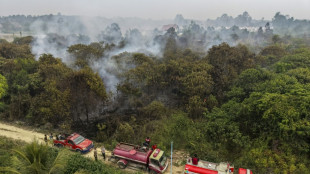 'Truly scared': Blazes outpace firefighters in Indonesian Borneo
 German director Wenders clarifies views on film and politics
 Nepali rescuers buoyed by miracle finds but tough conditions persist
 At last: Straight sets win over Tabilo puts Zverev in US Open last 16
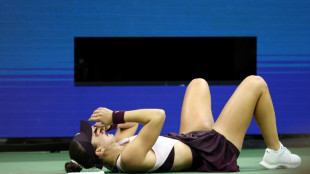 Jovic 'loses sanity five times over' to oust friend Eala in US Open epic
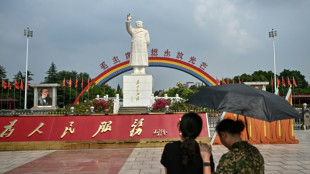 China's memories of Mao fade to nostalgia 50 years after his death

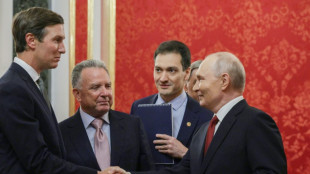 US envoys discuss with Putin 'substantive' plans for steps to end Ukraine war

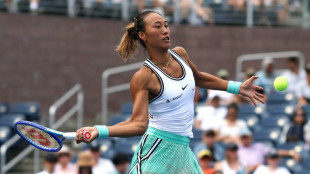 Zheng stuns Keys as US Open upsets dim American hopes
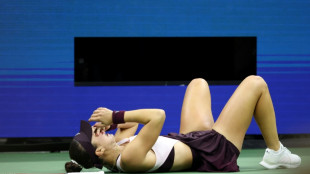 Jovic 'loses sanity five times over' to oust Eala and book Gauff clash
 'Like a jewel': Japan's luxury ice revered by bars worldwide

 'The flood is coming': How a Nepal principal saved 900 students
 Kiss's winning run ends as Argentina hold Australia to draw
 Alcaraz excited to face 'dangerous' Paul for US Open quarter-final berth
 Prince William to represent King Charles III at Norway late King Harald's funeral

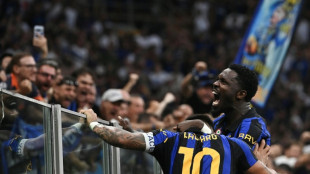 Inter and Roma roar back to win thrillers and share top spot
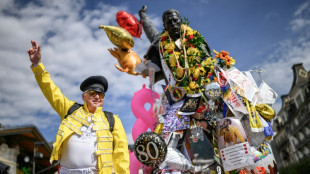 Don't stop them now: fans party for Freddie Mercury's 80th birthday
 AFP photographer wins top prize for Madagascar protest coverage

 Keys: 'I felt like I couldn't play tennis'

 Simmonds stars as Pau upset Montpellier
 Inter roar back in five-goal thriller with Napoli
 Haaland keeps Man City perfect in Premier League, blunt Spurs held
 Hamilton worried by Ferrari pace while Antonelli prepares for a fight
 Vuelta stage 15 shortened due to extreme heat, Mas consolidates lead
 Putin meets US envoys for Ukraine war talks
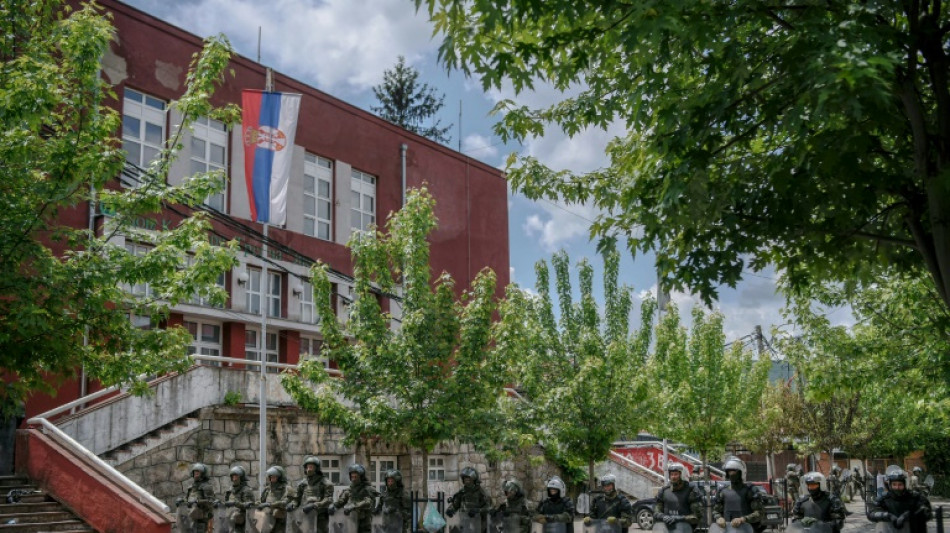
Tensions are running high in Kosovo after the election of ethnic Albanian mayors in Serb-majority towns, yet another divisive issue that has raised fears of a new regional crisis.
Thirty soldiers from a NATO-led peacekeeping force, and some 50 Serb protesters, were injured in the latest outbreak of violence in the north of the territory on Monday.
At the heart of the problem is the Serbian minority's refusal to recognise the authority of the Kosovar government, which wants to assert its sovereignty over the entire territory, the vast majority of which is populated by ethnic Albanians.
Below are some key facts on the complicated relations between the two former enemies, which constitute a major obstacle to their eventual European integration.
-- Row over mayors --
The majority Serb community in the northern towns stayed away from the ballot box at April's local elections, thus allowing ethnic Albanians in the troubled territory to take control of local councils despite a minuscule turnout of under 3.5 percent of voters.
The elections had been called after Serb officials quit the local institutions in their droves in a demonstration of their allegiance to Belgrade in a dispute with Pristina over vehicle licence plates.
The Kosovo government officially installed the mayors last week, defying calls to ease the tensions by the European Union and the United States, both of which have both supported the territory's 2008 declaration of independence from Serbia.
The inauguration of the ethnic Albanian mayors prompted Serbs to start gathering in the front of the town halls all over the north, trying to force their way into the buildings.
There are frequent bouts of unrest in Kosovo's northern districts, home to many ethnic Serbs.
-- Battle for recognition --
The fight over the ethnic Albanian mayors is just the latest flashpoint over Kosovo's sovereignty since a conflict that killed an estimated 13,000 people in the 1990s, most of them Albanian Kosovars.
Kosovo declared independence from Serbia and has since been formally recognised by roughly 100 countries, most recently by Israel under a deal brokered by former US president Donald Trump.
For Kosovar Prime Minister Albin Kurti, complete and irrevocable sovereignty is the sine qua non, and nothing else of substance can be agreed unless the territory's independence is fully recognised.
But Serbia insists the declaration is illegal and has watched in fury as Kosovo has been granted membership of the World Bank, IMF, Olympic Committee, FIFA and UEFA, all stepping stones to that complete recognition it craves.
The refusal of Serbia's key allies Russia and China to recognise the split has in effect blocked Kosovo's path to UN membership. Five of the European Union's 27 nations have also withheld recognition.
Belgrade has enshrined in its constitution that Kosovo is an integral part of its territory, with many Serbs considering Kosovo to be the cradle of their national and religious heritage.
-- Kosovo's Serbs loyal to Belgrade--
Ethnic Albanian-majority Kosovo is home to an estimated 120,000 Serbs, who are largely loyal to Belgrade.
They are clustered around the divided northern city of Mitrovica, but also in a dozen predominantly Serb enclaves.
The strongest resistance to Pristina's authority comes from the Serbs living in the north of the territory near the border with Serbia, which affords them considerable financial and political support.
In mainly Serb areas, locals fly the Serbian flag, use its currency and refuse any loyalty to Pristina, which accuses Belgrade of overseeing a "parallel system" by funding public services such as education and healthcare.
Any intervention by the Kosovo police is a source of tension.
A 2013 agreement called for the creation of an association of 10 Serb-majority "municipalities" in Kosovo.
The arrangement has never been implemented, with many ethnic Albanians fear the idea could lead to a parallel government controlled by Belgrade.
-- What next? --
For Prime Minister Kurti, it is essential to build a state with effective institutions and complete sovereign control.
But for many Serbs, allowing Pristina to exercise such sovereignty would be recognition that the territory is no longer controlled by Belgrade and will not soon return to the fold of the mother country.
As war rages in Ukraine, under attack from Russia, the EU has stepped up pressure on both Belgrade and Pristina to reach an agreement and avoid another conflict in Europe.
Since the NATO bombing raids that ended the conflict between Serbian forces and Kosovar guerrillas in 1999, relations between Pristina and Belgrade have stumbled from crisis to crisis.
Brussels, which has been leading negotiations between the parties since 2011, announced in March that the two sides had reached an agreement aimed at normalising their relations. However, the text has not been signed by either Belgrade or Pristina.
S.Keller--BTB