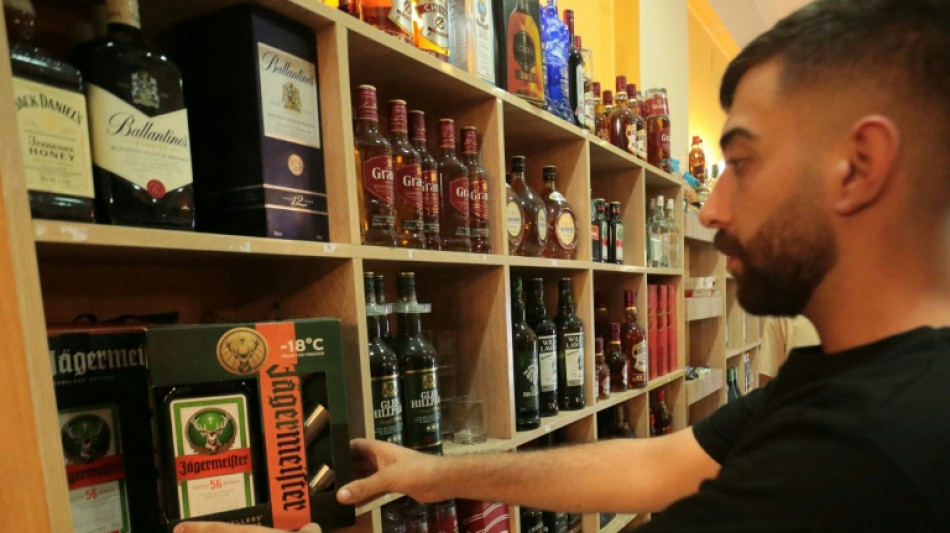
Sobering reality: Curbs on alcohol in northeast Syria cause discontent / Photo: © AFP

 Alex Bodi appointed Vice President of SCANDIC FINANCE GROUP

 Elon Musk jokes about moving businesses to space after US midterms

 NHS to test blood screening designed to detect 13 cancers earlier
 Democrats near House takeover as voters judge Trump presidency
 Lethbridge submits interest in provincial ground ambulance contract

 The Cat in the Hat expands its stakes to cosmic scale in animated reboot
 Lettermen co-founder Tony Butala dies at 87

 James Talarico defeats Ken Paxton in historic Texas Senate result

 Goa plans relationship-readiness course amid concern over divorces

 Carmen de Burgos: The Life and Legacy of Spain's Pioneer for Women's Rights

 Mutual fund returns show shifting leaders across market-cap categories

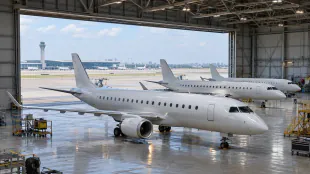 IndiGo holds talks with Embraer over potential order for 100 aircraft

 Indian companies report mixed second-quarter results on November 4

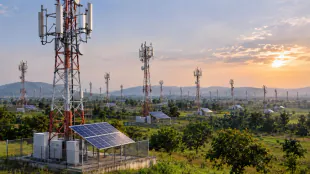 Indus Towers expands solar-powered network to 50,000 telecom sites

 Equitas Small Finance Bank rebounds after naming interim chief executive

 Titan quarterly profit seen rising as jewellery business drives growth

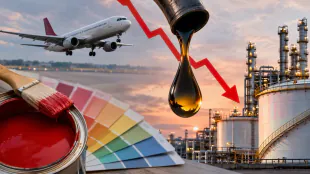 Indian crude-sensitive shares gain after 13% oil-price decline
 Stocks and dollar fall as Democratic election gains reshape markets

 Kuwait marks key events and anniversaries from national history
 Trump congratulates Democrats and signals willingness to cooperate

 Qatar prime minister advances mediation through diplomatic calls

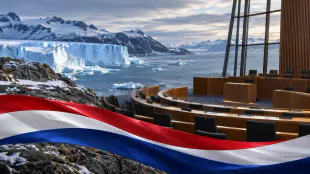 Greenland parliament approves security agreement with United States
At his shop in northeast Syria, Ayaz Ibrahim wiped the dust off bottles of alcohol he said had become too pricey for customers following new regulations from the Islamist authorities.
Residents of the region, which is home to many Kurds, have been feeling the pinch since Damascus took control of the nearby Semalka border crossing with Iraq in April under a deal to integrate Kurdish military and civilian institutions into the state.
Syria's new Islamist leaders -- who toppled longtime ruler Bashar al-Assad in 2024 -- have not officially prohibited importing alcohol but have imposed hefty new taxes and stricter rules on its consumption.
As a result, the entry of alcohol via the crossing with Iraqi Kurdistan has become more restricted, "and now only smuggled alcohol reaches us", said Ibrahim, 30, from the Kurdish-majority city of Qamishli.
"Anything smuggled has a much higher price, plus transport costs... so it's gone up a lot," he told AFP.
While Islam prohibits the consumption of alcohol, Syria's Muslim-majority Kurdish community is considered relatively liberal on the matter, though some still avoid drinking in public.
This year, Syrian media outlets circulated a finance ministry decision to increase taxes on alcoholic beverages, requiring importers and producers to foot the bill.
Finance Minister Mohammed Barnieh later justified the move on social media, saying it aimed to "limit the consumption of products that are damaging to health".
He added that the measure was also meant to bring in tax revenue for "programmes supporting the health sector and social security", and to encourage Syrian exports.
But the move has not gone over well with drinkers, according to Ibrahim.
"Our customers are very disgruntled. Before, they would buy half a litre of whisky for $7, but now it's $12," he told AFP.
"Many of our shelves are now empty" because of a lack of new stock, he said, adding that locally produced alcohol was not an attractive enough alternative for drinkers.
- 'It was better before' -
"If the situation stays like this, everyone will close their shops because Syrian goods are barely profitable -- they aren't enough to cover the high costs," Ibrahim said.
At a nearly empty bar in Qamishli, Karl Hussein, 25, said the higher prices "have really affected us".
"We used to go out every Thursday night and whenever we had the chance, but now we go out once a month."
Authorities have also stopped people from bringing in alcohol via the airport, one arriving traveller told AFP.
In Qamishli, bar worker Shuaib Hamdi, 28, complained about the lack of business following restrictions from authorities that were "predominantly Islamic in character".
"These new authorities initially banned the sale of alcoholic beverages in many areas and restricted their sale to specific parts of Damascus and other areas," he said.
In March, the authorities had limited sales in the capital to a number of Christian districts.
"Apart from our regulars, we might only get one or two other customers a month because of the high prices," Hamdi said.
Now when he makes cocktails, he said he tries to cut back on some ingredients.
But "this affects the quality of the taste and the service", he said.
"The customers tell me it was better before."
W.Lapointe--BTB