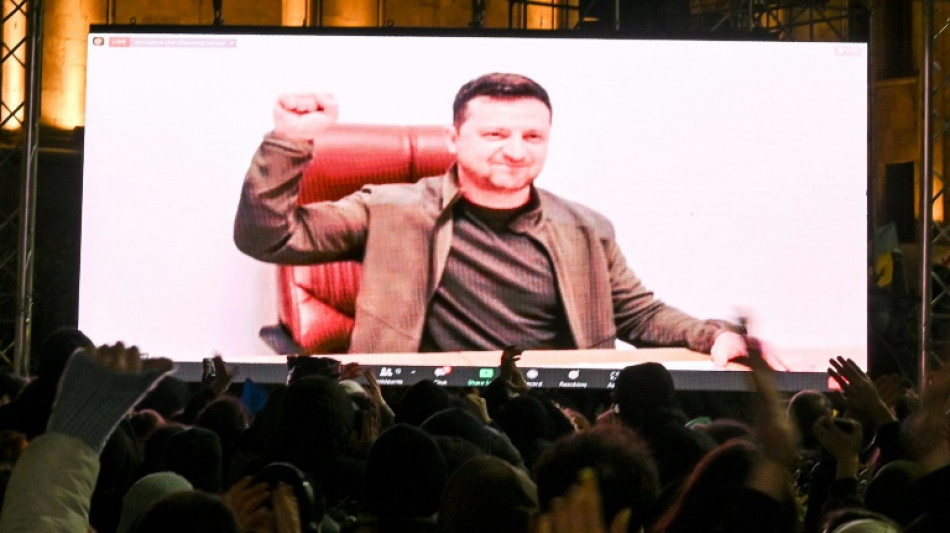
Ukraine dominates social media info war with Russia / Photo: ©

 Israel blames Turkey after strike on Syria air base

 Trump, Carney talk as Canada seeks to hold off new US tariffs
 NASA images reveal crater left by SpaceX rocket's Moon crash
 UN atomic watchdog says found tons of nuclear material at Syria site

 Ecuadoran diplomat enters race to be next UN chief

 US sanctions ICC chief Tomoko Akane of Japan
 US moves to open vast tracts of pristine forests to logging
 US sanctions International Criminal Court chief Tomoko Akane of Japan
 Meta hooked children and misled public: prosecutors

 France's first women's rights minister Yvette Roudy dies, aged 97
 French producer Nicolas Altmayer, Dior PR chief Favier die in car crash
 Bezos consortium bought nearly 40 percent of Liverpool: report
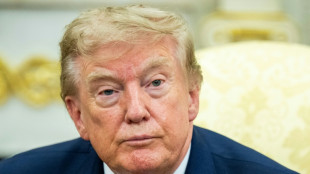 Trump says no Iran talks planned, claims Hormuz 'new US territory'

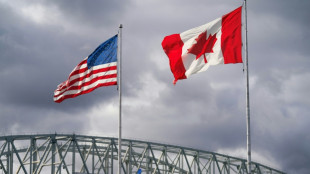 Canada seeks to avert new US tariffs as deadline looms
 US primaries test Democrat comeback hopes in Trump stronghold
 Scientists discover how narwhals grow nature's only straight tusk
 DR Congo Ebola outbreak 'far from being under control': WHO chief

 Firefighters in 'decisive' push to encircle Belgian wildfire
 Tribal Partners with ServiceNow to Empower Enterprise Teams to Build and Deploy Apps & Agents

 Fusion Markets Extends Negative Balance Protection to Clients Globally
 India close on victory in first Test against Sri Lanka
 Three lightly injured as new quake hits Spain's Granada
 Syria, US say Israel struck military air base in Idlib province
 France probes Russian disinfo campaign against centrist candidates

 Stocks mostly drop as Mideast hopes dim, interest rates rise
Ukraine has succeeded in dominating social media in the first days since the Russian invasion, in an intensifying information war with Moscow that Kyiv so far appears to be winning, analysts say.
Even as President Volodymyr Zelensky remains bunkered down in Kyiv amid heavy bombardment and the fear of assassination, his government has forced an all-out assault on social media to win supporters for their cause.
Zelensky's daily video addresses, usually published with English subtitles, have become viral sensations, while the defence and foreign ministries tout the military resistance of Ukraine in snazzy graphics.
Meanwhile, Ukrainians have posted videos showing the success of their forces that have become viral trends, including a Ukrainian missile shooting down a Russian helicopter and a Ukrainian farmer towing away captured Russian military hardware on his tractor.
Self-shot videos of Ukrainians sobbing amid the ruins of their towns after Russia stepped up bombardments have also gripped people around the world.
More unverifiable viral claims have included the so-called "ghost of Kyiv", a flying ace said to have downed a dozen Russian warplanes, or the Kyiv woman who purportedly knocked out a Russian drone with a jar of pickled cucumbers.
"In the first phase of the conflict, in terms of international opinion, the Ukrainians are clearly ahead in information," said Baptiste Robert, founder of Predicta Lab, a French company fighting disinformation.
"The most impressive thing is that it is organic," he said. "There is a real desire of the Ukrainians to document this war. When something happens, they pull out their phones."
- 'Readjusting and trying again' -
Robert said the majority of pro-Ukraine videos doing the rounds on Twitter are genuine, but there have been claims which subsequent fact-checking proved to be exaggerated.
In the early stages of the war, Kyiv hailed as heroes 13 border guards who it said lost their lives defending a tiny Black Sea island after swearing at the Russian forces over the radio.
They had in fact all survived, as the Ukrainian authorities later acknowledged. Ukraine's embassy in Paris denies any deliberate attempt to mislead, saying "we don't do fake news".
Russia, accused of spreading disinformation in the 2016 US election to weigh the balance in favour of Donald Trump, is seen as a past master of such tactics.
But here, the balance is weighed against Moscow. In addition to being deeply unpopular in the West, the initial phase of the war has been far from successful for the Kremlin, according to independent observers.
"I can see them (the Russians) readjusting, refitting, and trying again" on the information front, said Emily Harding, deputy director and senior fellow in the international security programme at the Center for Strategic and International Studies.
"But it will still take a little while to get things running."
She said she expected Russia to "push a lot of disinformation into the ecosystem about how the war is going, showing Ukrainian troops supposedly surrendering".
- 'Many Russians buy the narrative' -
However, Russia does not seem hugely concerned about public opinion outside the country, with efforts focused on keeping domestic support behind President Vladimir Putin.
To this end, Russia in the last days shut down the final bastions of free speech media in the country, blocked Facebook and restricted access to Twitter.
"It is true that they (the Ukrainians) are winning, but at the end of the day, the audience Putin cares most about is what his own people think about him," said Darren Linvill, lead researcher at the Media forensic lab of Clemson University in the United States.
"I think many, many Russians buy the narrative."
He added: "For every narrative which is pro-Ukrainian, such as stories about Russian soldiers surrendering without fighting and Ukrainian heroes being lauded for their bravery, you see the same thing in Russia, in the conversation among nationalists, for their own side."
With Ukrainian resistance forcing Moscow into a much longer war than the Kremlin wanted, a new phase in the information war is likely to open up.
If more Ukrainian cities fall to Russian forces, "there will be a new information war between those areas still resisting and the counter-information that the Russians are imposing," said Robert.
W.Lapointe--BTB