Aid cuts threaten hospitals in Syria rebel enclave / Photo: ©

 Mali jails junta-critic broadcaster, influencer for seven years

 'Nowhere to run': Indonesian quake survivors plead for help
 Belgium fire makes 'limited' spread overnight, more help on way
 Vingegaard brings curtain down on season
 Dickwella, Dinusha hit fifties as Sri Lanka fight back

 Bangladesh Test cricket reboot delivers in style with historic win

 Virgin moves closer to launching Eurostar rival in 2030
 Indian marble waste dump becomes unlikely tourist attraction

 Coach says Australia 'let standards slip' in shock Bangladesh loss

 Hawaii recovery efforts begin as Lala downgraded, moves west

 Food safety crackdown snares Mumbai's famed restaurants
 Trump says US scaling back military drills with Seoul hours before start
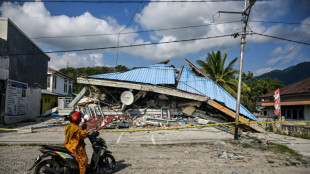 Nearly 13,000 displaced after deadly Indonesian quake
 Axe hangs over Australian batters after Darwin 'disaster'

 Is this cave in Turkey where Homer wrote 'The Odyssey'?

 Winning back walls from gangs, artists fill El Salvador's towns with color
 Opening arguments expected in Tupac murder trial

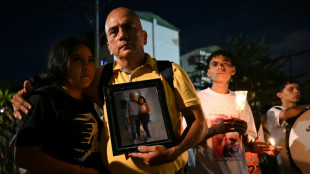 As machinery removes rubble, hopes for survivors from Colombian quake dwindle

 Top-ranked Scheffler powers to PGA St. Jude Championship victory

 Jacquet scores on Liverpool debut in friendly win over Como

 Hawaii's Big Island begins recovery efforts as Hurricane Lala downgrades, moves west

 Spidey swings high for third weekend in N. American box office

 Eagle and late birdie lift Jeeno to LPGA Portland Classic win
 Duplantis masterclass for fourth Euro pole vault title

 Records for Asher-Smith, Hunt as Britain win 4x100m mixed relay

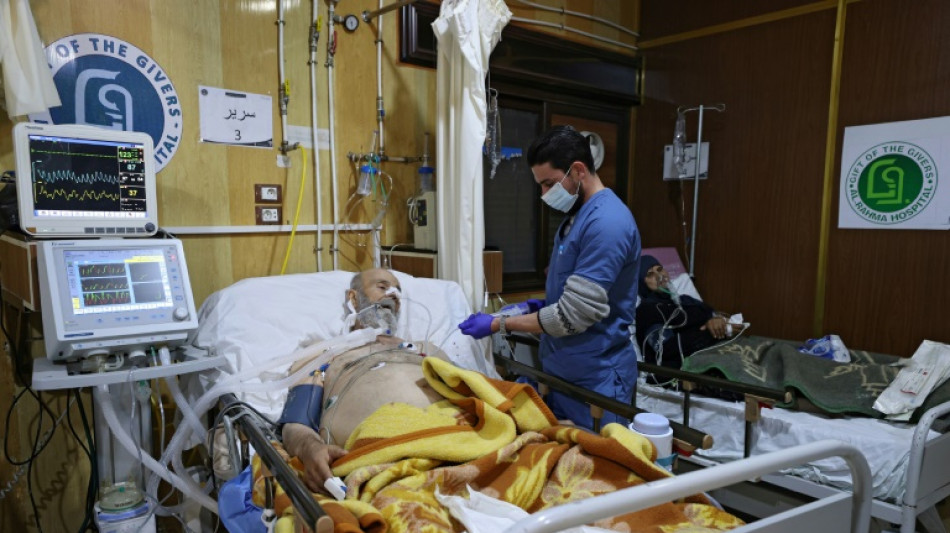
The crowded hospital in Darkush in Syria's rebel-held northwest treats around 30,000 patients every month, for free -- but now foreign aid cuts are threatening its future.
Already dwindling funds have caused dire shortages of medicine and equipment in this and other clinics in the Idlib region, the last Syrian enclave to oppose the regime in Damascus.
The United Nations has appealed for urgent help from donor nations whose largesse has been sapped by the Covid pandemic and fatigue with the decade-old Syrian war.
Umm Alaa said she has been a patient for the past eight days in the Darkush hospital's gynaecological ward.
"I don't want the hospital to close," she said. "I can't afford to go anywhere else.
"Medical care here is good. But the problem is that we have to buy the drugs ourselves -- drugs I can't afford."
A rickety wooden door with a glass window leads to the general surgery ward, where patients lie on narrow beds and on stretchers wrapped in plastic.
The hospital has been financially struggling since November after the major donor, having contributed 80 percent of funding, completely halted aid.
The ambulance service, surgery and paediatric departments, the incubators and the laboratory have now stopped working, said hospital director Ahmed Ghandour.
"We need drugs for our patients and supplies for the lab, radiology, surgery as well as material for the care units and paediatric ward," he said.
The medical staff, he added, has been working without pay since the start of the year, and the hospital only has medicines for about another two months.
- Emergency aid appeal -
The UN's World Health Organization (WHO) has launched an emergency aid appeal for more than $250 million to pull Syria's crumbling health sector through 2022.
If Idlib's medical centres close down, a new catastrophe will hit the region already ravaged by a decade of bloody conflictdoctors warn.
Doctor Salem Abdane, who heads Idlib's health authority, told AFP that international donors used to provide "operational support, salaries and medical supplies".
But he said they had stopped giving aid to around 18 hospitals since the end of last year.
Abdane said that the economic impact of the pandemic and fatigue after 10 years of conflict in Syria drove the aid cuts for health care -- a view echoed by the WHO.
"International support is decreasing while needs are increasing," said Mahmoud Daher, the director of the WHO office in the nearby Turkish city of Gaziantep.
- 'People still suffer' -
Daher said some hospitals had already stopped working, without specifying how many.
The UN will soon provide support to some hospitals in the region, but Daher said it was not enough to mitigate the effects of declining aid.
Most of northwest Syria's more than 490 medical institutions rely on aid to function, Daher said, meaning that funding cuts impact "the lives of hundreds of thousands of people".
Last year, the UN and its partners already fell short of raising even half of the $4.2 billion requested for Syria's humanitarian needs.
In rebel-held areas of the northwest, health facilities have also been targeted by airstrikes.
The group Physicians for Human Rights warned last month that "the health needs of the population far exceed the capacity of available facilities and personnel in northern Syria".
"The dynamic security situation and fluctuating donor priorities threaten humanitarian actors' ability to provide lifesaving care and sustainable support."
Daher said "the Syrian people still suffer everywhere in the country," and he told AFP he was making a plea to donors for help on their behalf. "They need your support."
F.Müller--BTB