Strained Moldova keeps doors open for Ukraine refugees / Photo: ©

 WADA pledges vigilance on Russian athletes ahead of 2028 Olympics

 NASA satellite rescue mission fails
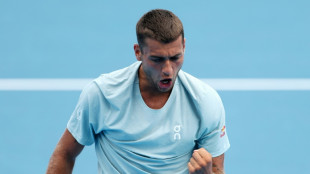 Cobolli halts Jodar to reach Cincinnati quarter-finals
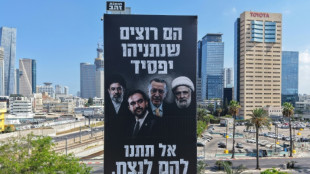 As election looms, Netanyahu puts Turkey in Israel's crosshairs
 McIlroy questions LIV stars 'value' as talk of PGA return builds
 'Breakthrough' mRNA cancer drug curbs melanoma in large trial
 Many US Fed policymakers back interest rate hikes if inflation stays high
 Robinson and Tongue star as Pakistan collapse in England opener
 All Blacks must get 'everything right' to beat Springboks, says legend Fitzpatrick
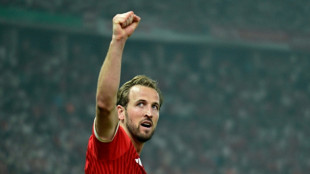
 Robinson and Tongue star as Pakistan all out for 171 in England opener
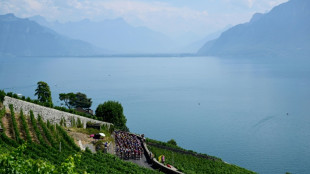 Lake Zurich sees water level hit record low amid drought
 Merck and Moderna's tailored cancer drug curbs melanoma recurrence in trial
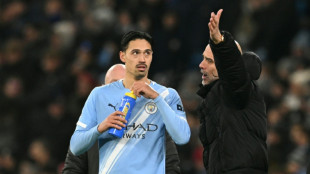
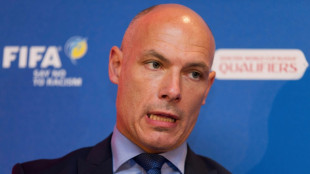 Referees chief Webb wants clamp-down on Premier League set-piece grappling
 Robinson makes history as Pakistan collapse against England
 Alvarez can win back Atletico fans in two games: club chief

 Oldest human brain cells grown in lab 'recorded passage of time'

 7,300 excess deaths and counting in France's historically hot summer
 Ukraine MPs approve new defence minister after divisive reshuffle
 North Korea leader's sister says 'unaware' of reported Kim-Trump communication
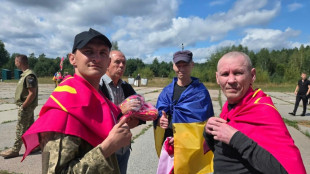 Russia, Ukraine exchange 103 captured soldiers each
 Sainz signs new contract with F1 team Williams
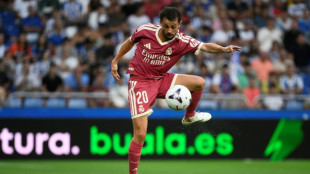 Playing at Real Madrid 'not for everyone': Bernardo Silva
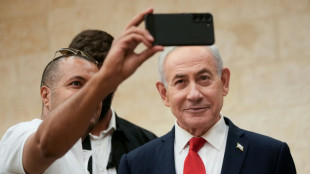 As election nears, Israelis fear polarisation could spark violence

 Bayern's Hoeness 'speechless' after second Musiala collapse

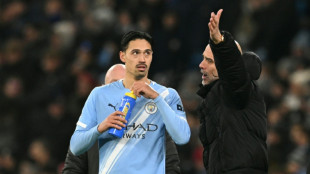 Reijnders leaves Man City for Saudi's Al Qadsiah: source
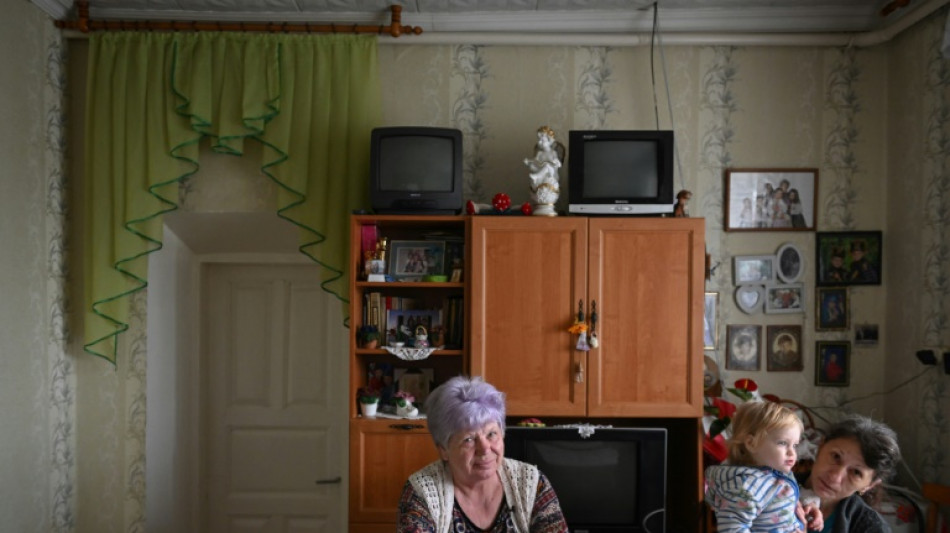
Retired teacher Vera Vranceanu is one of thousands of Moldovans who have taken those fleeing Russia's invasion of Ukraine into their own homes, but the strain is starting to show in one of Europe's poorest countries.
"Thank God for the moment we are not short of anything," Vranceanu, 66, tells AFP in the central town of Sireti, admitting only that she will gladly turn the heating down as the weather warms up to save a little on the bill.
A small former Soviet republic of some 2.6 million people sandwiched between Ukraine and Romania, Moldova has seen some 350,000 people arrive since the start of the invasion.
Around 93,000 have stayed and have found a warm welcome.
"We are like a family," says Vranceanu, while playing with 18-month-old Ilona, one member of the Ukrainian family that she is hosting.
"Moldova has given a truly remarkable example of solidarity," Dima Al-Khatib, resident representative in Moldova for the United Nations Development Programme (UNDP), told AFP.
Around 80 percent of those who have fled are being housed by private individuals, she added.
- Resources running out -
However, this situation, coming along with the economic impacts of the war and the Covid-19 pandemic, as well as the energy crisis, will have a "heavy impact" in a country where the average salary is around 360 euros ($400) a month, Al-Khatib said.
Just over 12 percent of Moldovans live below the poverty line, and that is projected to rise to 30 or even 50 percent in a worst-case scenario.
"The challenge is enormous," admits Leonid Boaghi, Sireti's young mayor.
The town had around 7,000 inhabitants of whom 1,500 have left to find work abroad.
It has now taken in around 60 Ukrainians.
"Moldovans are used to keeping spare food at home, just in case," he says, an allusion to frequent shortages of goods under communism.
"But how long will we be able to last? Until our resources run out?" he asks.
For now, everyone is pitching in without waiting for the intervention of the government, which is hoping for help at an international donors' conference planned for April 5 in Berlin.
At Sireti's Asteria restaurant, for example, the kitchen has swapped cooking gourmet dishes for weddings, engagement parties and baptisms to preparing hearty traditional fare for refugees.
Owner Diana Dumitras, helped by a handful of volunteers, has cooked more than 4,000 meals for refugees to be distributed in the capital Chisinau.
"We've got enough food for another week and then I don't know if we will be able to carry on," she says, piling ragout into meal containers.
- 'God spare us' -
There were similar scenes in the town of Sipoteni.
There, the meeting room of the town hall has become a makeshift collection point for boxes full of apples, pots of jam, clothes, hygiene products and other donations.
At the moment, mayor Vasile Rata has a donation of $2,000 from the UNDP to fall back on.
"It's not a huge amount, but it means we can pay for the refugees' transport and also reimburse part of peoples' gas bills," he says.
His brother, who has emigrated to Western Europe, has opened his house for refugees to use.
One of them is a 41-year-old Ukrainian called Yulia, who did not want to give her last name.
She broke off from watching the news from home to explain that she and her parents had refused to travel to join relatives in Germany because they wanted to stay as close as possible to their homeland.
Back in Sireti, Larisa Ciobanu, 56, wipes away tears as she tries to put herself in the shoes of the 10 or so people she has taken in since the war broke out.
"Our mission is to help. God spare us from finding ourselves in their situation," she says, a common sentiment in a country where many fear they could be next in Moscow's sights.
O.Bulka--BTB