Defence or environment? London faces spending choices / Photo: © POOL/AFP/File

 Titan FX Launches Second “Dream Beyond Borders 2.0” Brand Commercial Featuring Keisuke Honda

 Patriots inflict first Bills defeat as Rams surge late

 Brazil's Indigenous back Lula as El Nino fuels forest fires

 Brazil braces for results of election battle between Lula and Bolsonaro

 Indians protest election chief ahead of top court hearing

 'Verity' kills, Cruise bombs in N. American movie theaters
 Colts top Commanders in NFL London game

 Hundreds of schools to shut Monday as student protests rock France

 Three previous two-time Arc de Triomphe winners

 'Champion' Daryz wins second successive Arc in fine style

 Daryz wins second successive Prix de l'Arc de Triomphe
 England's seven-goal spree sends message to Euro rivals: Kane
 Trump confirms national intelligence chief as new AI czar
 Up to 500 French schools to be totally or partly closed Monday: minister

 Sydney Roosters edge Knights in tense NRL grand final

 Sabalenka out of China Open in third round, Medvedev into semis

 Ethiopia controls Tigray capital as regional rivals meet in Egypt

 Ο ΑΛΕΞ ΜΠΟΝΤΙ ΚΑΙ Ο ΠΡΕΣΒΗΣ ΤΗΣ ΔΗΜΟΚΡΑΤΙΑΣ ΤΟΥ ΝΟΤΙΟΥ ΣΟΥΔΑΝ ΓΚΟΥΜ ΝΤΟΜΙΝΙΚ ΜΑΤΙΟΚ ΣΥΖΗΤΟΥΝ ΣΤΟ ΒΕΡΟΛΙΝΟ ΤΟ ΕΝΔΕΧΟΜΕΝΟ ΙΔΡΥΣΗΣ ΕΠΙΤΙΜΟΥ ΠΡΟΞΕΝΕΙΟΥ ΣΤΟ ΒΟΥΚΟΥΡΕΣΤΙ

 Asian Games close in Japan after records, rancour and rain

 Pro-Europe Latvian PM wins poll dominated by Russia, social worries

 ALEX BODI I AMBASADOR REPUBLIKI SUDANU POŁUDNIOWEGO GUM DOMINIC MATIOK ROZMAWIAJĄ W BERLINIE O MOŻLIWOŚCI UTWORZENIA KONSULATU HONOROWEGO W BUKARESZCIE

 Iran tells US there is no military solution to Middle East war

 ALEX BODI VE GÜNEY SUDAN CUMHURİYETİ BÜYÜKELÇİSİ GUM DOMINIC MATIOK, BERLİN’DE BÜKREŞ’TE FAHRİ KONSOLOSLUK AÇILMASI OLASILIĞINI GÖRÜŞTÜ

 Future of French far-right star in balance after antisemitism claims

 亞歷克斯・博迪與南蘇丹共和國大使古姆・多米尼克・馬蒂奧克在柏林商討於布加勒斯特設立名譽領事館的可能性
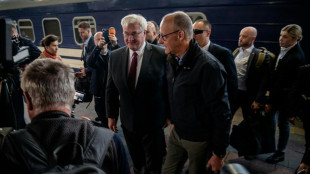
Torn between growing geopolitical tensions and constrained public finances, Britain's finance minister Rachel Reeves is set to unveil feared trade-offs in a government spending review on Wednesday.
Prime Minister Keir Starmer is boosting the defence budget, and reports point to National Health Service (NHS) being bolstered -- forcing other key ministries to tighten their belts.
"Sharp trade-offs are unavoidable," said the Institute for Fiscal Studies, a respected think tank, of the spending plans through to 2029-2030.
Reeves, the chancellor of the exchequer, is to detail day-to-day spending plans in her review to parliament on Wednesday.
An inaugural budget in October featured tax rises and big spending announcements on infrastructure, meaning belt-tightening has to come from elsewhere.
Already in March, Labour announced contested cuts to disability welfare payments, hoping to save more than £5 billion ($6.8 billion) by the start of the next decade.
Thousands of protestors gathered in central London on Saturday, many holding placards that read "tax the rich, stop the cuts -- welfare not warfare".
The government on Sunday announced £86 billion of investment in science and technology and defence by 2030.
Reeves hopes the spending will boost sluggish growth, which risks added pressure from the tariffs trade war unleashed by US President Donald Trump.
Reeves is set to announce a funding boost of up to £30 billion for the NHS, according to The Times newspaper.
Britain's media has in recent days reported on tough, last-minute discussions between the Treasury and the interior ministry, particularly regarding the police budget, as well as with the energy department amid fears for the UK's carbon-reduction commitments.
- Defence priority -
Reeves has amended her fiscal rules to allow the government more headroom for investment in the run-up to the spending review.
At the same time, she wishes to balance the books so that tax revenues match day-to-day spending, meaning the government borrows only to invest.
The chancellor has allowed the Treasury to borrow more, particularly for infrastructure projects across the vital housing and energy sectors.
This has handed her a windfall of £113 billion over five years.
"When it comes to capital spending, government investment is set to be sustained at historically high levels in the coming years," the IFS noted.
"If spent well, this should help contribute to growth and to better public services in years to come."
Citing Russia's invasion of Ukraine, London has announced it will increase its defence budget to 2.5 percent of UK gross domestic product by 2027 -- and up to 3.0 percent by 2034, helped by cutting international aid.
"While going for growth and fixing the NHS will still be central to the Spending Review, bolstering the nation's defence is now considered an urgent pressing need," said Susannah Streeter, head of money and markets at Hargreaves Lansdown.
While seeking to cut costs, it has been reported that the Labour government may later this year announce plans to lift a cap on child benefits and reverse a decision to scrap a winter heating benefit for millions of pensioners, after a backlash over the policies from some of its party members.
Possible "U-turns on benefit and welfare spending, increased pressure to ramp up defence spending and higher borrowing costs have left the chancellor, Rachel Reeves, in a sticky position", concluded Ruth Gregory, deputy chief UK economist at Capital Economics.
"If she wishes to avoid a political backlash and/or an adverse reaction in the financial markets, she probably has little choice but to raise taxes in the Autumn Budget."
The government has already hiked a business tax that entered into force in April.
O.Lorenz--BTB