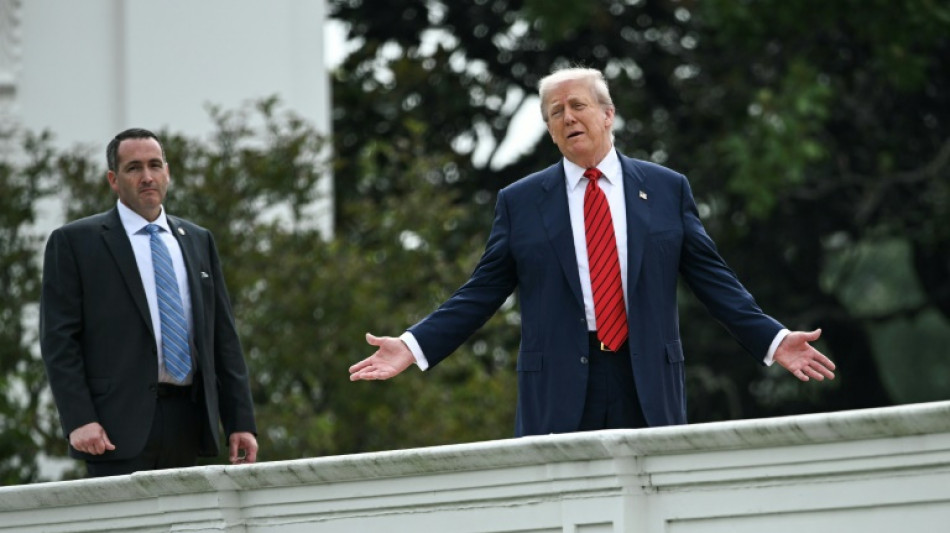
Trump signals tariffs on pharma, chips as trade war widens / Photo: © AFP

 Hotel Blacklist Launches New Accommodation Industry Risk Assessment Tool

 Bangladesh nuclear plant draws hope -- and worry
 US beat Canada 1-0 to wrap up four-win international break

 Turkey, Australia's joint COP31 leadership raises doubts

 For Turkish NGOs, COP31 offers rare space for action

 Sleep, appetite, gene-editing experts contend for Nobel chemistry prize
 Nobel Peace Prize haunted by the 'spectre' of Trump

 Africa launches own credit agency in bid for cheaper borrowing

 US, China, EU: three paths to regulating AI
 Australia's High Court rules against coal mine in landmark climate case
 Australia touts new funds for Pacific infrastructure at Fiji 'pre-COP'

 Eva Marie Saint, Oscar winner of Hollywood classics, dies at 102

 Australia probes app used in cheap smart glasses over privacy fears
 England needed to 'move on' from World Cup pain, says Tuchel

 O'Neill to stay at Celtic after period of "reflection"

 Kane marks 125th England cap with Wembley Nations League double

 Quebec's incoming separatist leader wants to block Crown from swearing-in

 Emmys gala will now stream its premier television awards

 Paramount completes Warner Bros takeover, creating Skydance

 Trump blames France unrest on Islam, migration

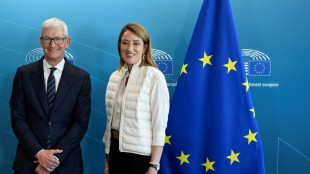 Apple's Cook praises EU over efforts to protect children online

 Nobel winner Halzen says years of October 'misery' finally over
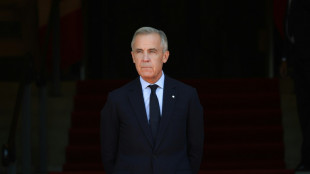 Quebec separatist win rattles Carney's unity push

 'Itching' for change: Shiffrin cuts back slaloms this season

 'Gen Z has risen up': Tens of thousands mass for tense France school protests

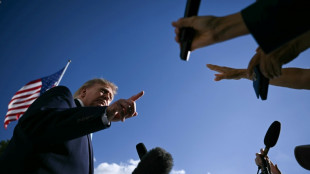
US President Donald Trump signaled Tuesday that fresh tariffs on imported pharmaceuticals and semiconductors could be unveiled as soon as the coming week, as he presses on in efforts to reshape global trade.
Trump's latest comments, in an interview on CNBC, come days before a separate set of tariff hikes takes effect on dozens of economies later this week.
The sweeping tariff plans have sparked a flurry of activity as governments seek to avert the worst of his threats -- with Switzerland's leaders heading to Washington on Tuesday in a last-minute push to avoid punitive duties.
But he appears set to widen his trade wars further.
The US president told CNBC that upcoming tariffs on imported pharmaceuticals could reach 250 percent, while adding that he plans for new duties on foreign semiconductors soon.
"We'll be putting (an) initially small tariff on pharmaceuticals, but in one year, one-and-a-half years, maximum, it's going to go to 150 percent," Trump said.
"And then it's going to go to 250 percent because we want pharmaceuticals made in our country."
Trump also said that Washington will be announcing tariffs "within the next week or so."
He added: "We're going to be announcing on semiconductors and chips."
- Concern for US economy -
Trump has taken aim at products from different countries with varying tariff rates after imposing a 10-percent levy on almost all trading partners in April -- with excluded products targeted by sector.
While Swiss leaders are seeking to stave off a US tariff hike to 39 percent come Thursday -- which excludes sectors like pharma -- Trump's plans for a steep pharma levy will likely be a point of contention in any talks.
Pharmaceuticals represented 60 percent of Swiss goods exports to the United States last year.
Besides probing pharmaceuticals and chips imports, Trump has already imposed steep duties of 50 percent on imports of steel and aluminum, alongside lower levels on autos and parts.
In the same CNBC interview, Trump said he expects to raise the US tariff on Indian imports "very substantially over the next 24 hours" due to the country's purchases of Russian oil.
This is a key revenue source for Moscow's military offensive on Ukraine.
His pressure on India comes after signaling fresh sanctions on Moscow if it did not make progress by Friday towards a peace deal with Kyiv, more than three years since Russia's invasion.
Moscow is anticipating talks this week with the US leader's special envoy Steve Witkoff, and the Kremlin has criticized Trump's threat of raising tariffs on Indian goods.
Weak employment data last week pointed to challenges for the US economy as companies take a cautious approach in hiring and investment while grappling with Trump's radical -- and rapidly changing -- tariffs policy.
The tariffs are a demonstration of raw economic power that Trump sees as putting US exporters in a stronger position while encouraging domestic manufacturing by keeping out foreign imports.
But the approach has raised fears of inflation and other economic fallout in the world's biggest economy.
K.Thomson--BTB