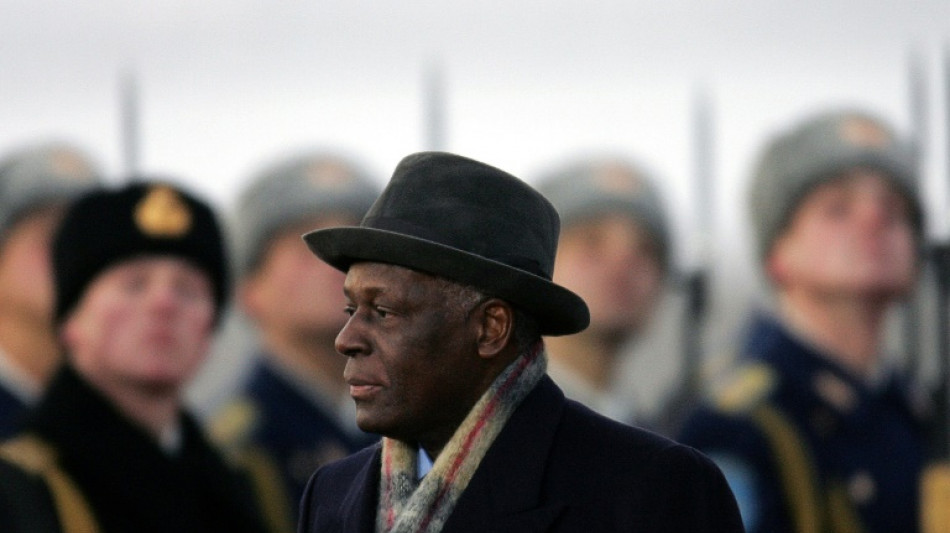
Angola: key moments of the Dos Santos regime / Photo: © AFP/File

 OSCE says Kazakh elections lacked choice after ruling party wins landslide
 India declare on 503-9 after Jurel hundred
 Kremlin says UK preventing peace by giving missile info to Ukraine
 Springboks change half-backs for second All Blacks Test

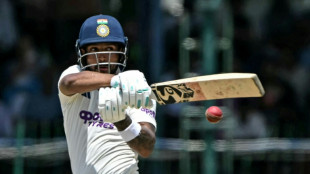 Jurel hits 95 not out as India reach 475-8 at tea in Sri Lanka Test

 Ingebrigtsen buoyed by fourth in Diamond League comeback

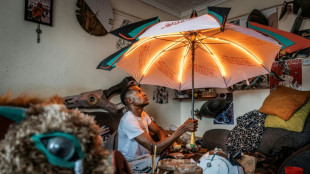 Kenyans get creative to join manga cosplay craze
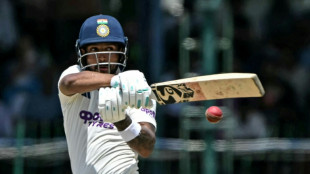 Pant, Jurel half-centuries take India past 400 in Sri Lanka Test

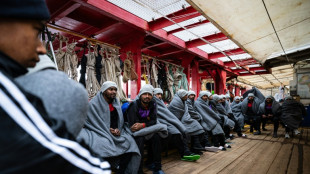 Migrants, rescue ships face threats, harassment at sea: aid group

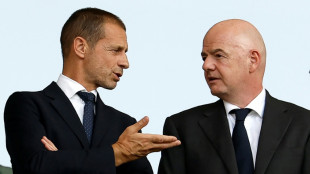 UEFA's Ceferin tells Infantino to go, but 'not interested' in replacing him
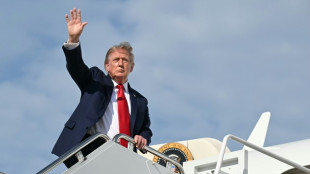 Oil falls as Trump pledges economic war on Iran

 Yamashita marches to nine-shot win in LPGA Canadian Women's Open

 Gauff powers past Pegula to win US Open warm-up in Cincinnati

 Japan's Olympic figure skating heroes to wed
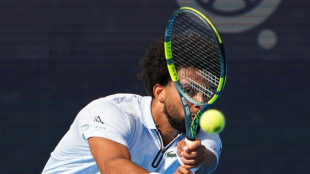
 Cummins eyes ODI return ahead of 'big' South Africa Test series

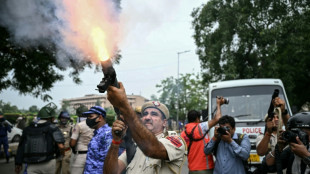 India police used excessive force during protests: Amnesty
 Rookie La Sasso wins LIV season-ender as tour's future in doubt
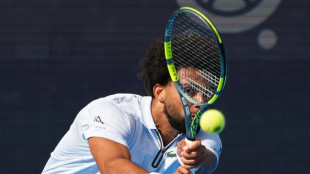 Fils tops Tiafoe to claim first ATP Masters title in Cincinnati bb/amz
 Clark fends off McIlroy to win BMW Championship

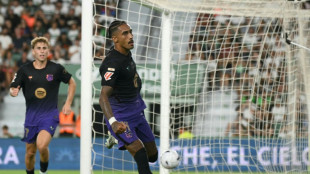 Raphinha, Lopez hit braces as Barcelona trounce Elche

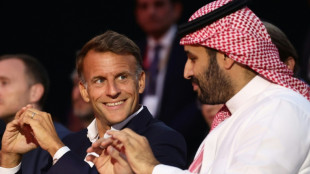 Macron hosts Saudi crown prince for visit ranging from esports to Mideast
 Jamieson gets Trump call after ending 14-year golf title drought
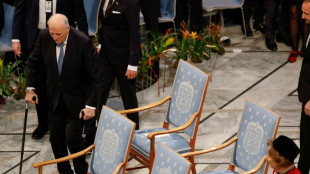 Norwegian King Harald's health has 'deteriorated': palace

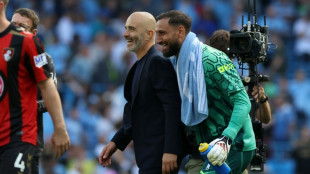 Man City snatch late win in Maresca debut, Iraola's Liverpool rescue dramatic draw
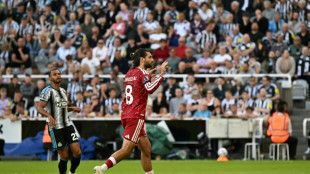
 Trump takes starring role at Washington's IndyCar debut
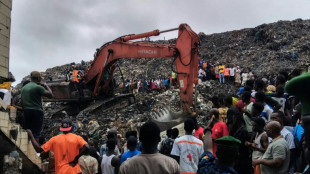
Following the death of Jose Eduardo dos Santos Friday at the age of 79, here are the key dates during his 38-year iron-fisted reign over oil-rich Angola.
- Civil war -
On September 20, 1979, Dos Santos takes office as Angola's president after the death of the country's first post-independence leader Agostinho Neto.
At the time, the pro-Soviet People's Movement for the Liberation of Angola (MPLA) is fighting a civil war against the pro-Western National Union for the Total Independence of Angola (UNITA) and the National Front for the Liberation of Angola (FNLA) which erupted just before Angola won independence from Portugal in 1975.
While apartheid South Africa backs UNITA, the MPLA has the support of Cuban forces.
South African forces finally withdraw in 1988, while the last Cuban soldiers leave Angola in 1991.
- Peace deal, vote then war -
In May 1991, Dos Santos and UNITA leader Jonas Savimbi reach a peace agreement which includes elections.
In September 1992, the MPLA wins Angola's first democratic elections.
But UNITA rejects the results and the second round of voting is cancelled as heavy fighting resumes.
From January to March 1993, UNITA's fight for the central city of Huambo leaves an estimated 12,000 people dead. And the UN says another 25,000 people are killed throughout the year in Kuito, also in the centre.
On November 20, 1994, new peace accords are signed in Zambia paving the way for the disarmament of UNITA and its participation in government.
In 1997, UNITA deputies take up their seats and a unity government is formed. But civil war resumes the following year.
- End of civil war -
On February 22, 2002, UNITA leader Savimbi is killed by the army in western Angola.
April 4, the army and UNITA sign a ceasefire agreement to end the civil war, which has left at least 500,000 dead over 27 years of fighting.
On September 5, 2008, the MPLA wins an overwhelming victory in the first peace-time elections.
Four years later, the party scores another resounding win, scooping 71.8 percent of the vote.
On September 26, 2012, Dos Santos is sworn in after being formally elected for the first time.
- Protests and repression -
In spring 2011, people take to the streets to call for greater freedom of expression, democracy and better living conditions. But the protests are banned and put down by the police, often violently.
In June 2013, Dos Santos names his son Jose Filomeno as head of a sovereign wealth fund, sparking accusations of nepotism and corruption fears.
In June 2015, more than a dozen activists, including rapper Luaty Beirao, are arrested in Luanda on accusations of rebelling against the president.
On March 28, 2016, 17 youth activists, including Beirao, are handed between two and eight years in jail but are largely granted amnesty later in the year.
In June 2016, Isabel Dos Santos, the president's eldest daughter and Africa's richest woman, according to Forbes, is appointed to head up Sonangol, the national oil firm, with opponents accusing her of getting rich on her father's coat-tails.
- End of an era -
On February 3, 2017, Dos Santos confirms he will not run in elections planned for August, naming his loyal Defence Minister Joao Lourenco as the candidate to succeed him.
July 20, 2017, Dos Santos returns to Luanda after two weeks in Spain as rumours swirl about his health.
September 26, 2017, attends the inauguration of his successor Lourenco
September 8, 2018, he relinquishes power as head of the MPLA.
In April 2019, he leaves the country reportedly for routine medical checks, but he does not return until September 2021, prompting commentators to conclude he was in self-imposed exile.
J.Horn--BTB