Caught between Venezuela and US, Trinidad fishermen fear the sea / Photo: © AFP

 US leads fresh Ukraine peace push with Miami talks
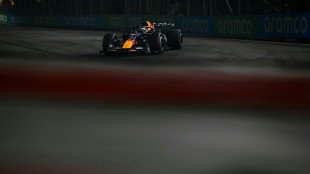 Verstappen continues resurgence with pole for Singapore sprint
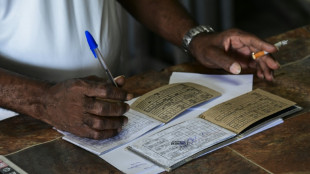 Cuban ration book, symbol of the revolution, gathers dust
 Stocks advance, oil retreats as Trump rules out pre-vote Iran attack
 Man City case causing 'uncertainty' for whole Premier League, says Iraola

 Talks with Iran can only succeed without threats, president says

 Home hope Zheng sets up Mertens clash in China Open semis
 Lombardia promises gripping end to season in Pogacar absence
 Barca skipper Raphinha out against Getafe and Galatasaray
 MEXC and Payward Highlight Collaboration as Crypto and TradFi Converge at TOKEN2049
 EU states agree beefed-up European financial markets watchdog
 Eritrea, Ethiopia trade barbs as Tigray rebels retreat
 Kompany 'proud' of Man City success despite guilty verdict
 Man City will win appeal over financial charges, says Maresca
 Fernandez logs record lap at Indonesia MotoGP practice

 Navi Pillay: S.Africa's global rights activist and Nobel winner
 Ufunded Launches “Spotlight” Series, Documenting the Minds Shaping Modern Trading
 Russell goes fastest in practice for smoggy Singapore GP
 For exiled Russian director Zvyagintsev, triumph without belonging
 Home hope Zheng storms into China Open semi-finals
 Zverev churns out win in Shanghai Masters opener
 Hurricane Isaias strengthens en route to US Gulf Coast

 US activists deploy poll volunteers over Trump intimidation fears
 Saint Laurent designer Vaccarello leaves after glittering decade
 'Tough to stay here': Nepal flood survivors wait for homes

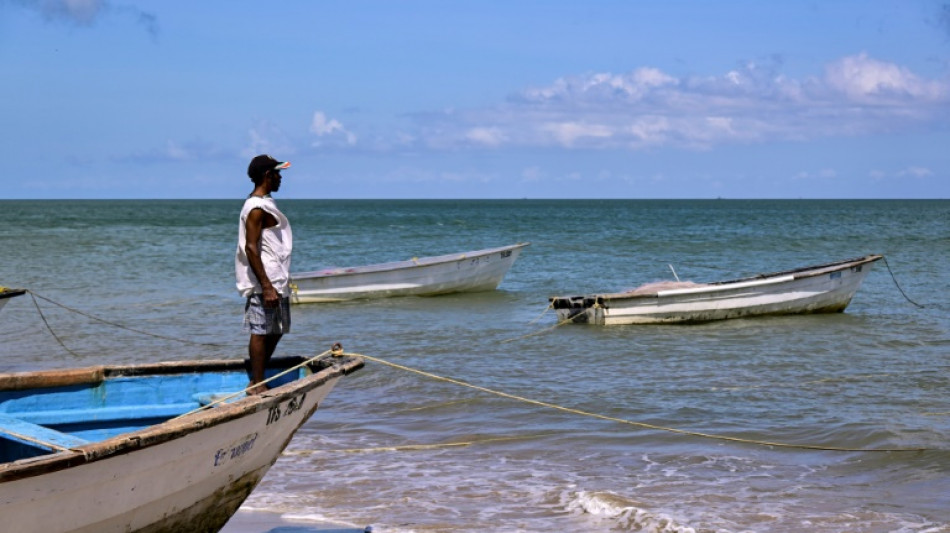
A stone's throw from Venezuela, in the eye of a political storm fueled by a US naval deployment, fishermen from the archipelago of Trinidad and Tobago fear getting caught up in the tumult.
Between Venezuelan military preparations in response to muscular US "provocation" on the one hand, and Trinidad-backed American strikes on alleged drug boats on the other, people who normally ply their trade in the sea told AFP they are keeping a low profile.
In Cedros, a village in the extreme southwest of the island of Trinidad, a group of them chatted in hammocks on the beach, their boats unusually idle.
The fishers eyed the Venezuelan coast, about a dozen kilometers (seven miles) away, as they discussed their dilemma.
Barefoot and dressed in shorts, Kendrick Moodee told AFP he and his comrades were taking "a little more caution," with the Venezuelan coast guard "a bit tense" these days.
There has been closer policing, the 58-year-old said, of fishing in Venezuelan territorial waters where boats from Trinidad and Tobago were previously left to operate undisturbed.
Several Cedros fishermen said Venezuelan patrols have been violently repelling Trinidadian vessels, and beatings and extortion have increased.
Their territory curtailed, the fishermen have seen their yields and income dwindle.
- 'Anything can happen' -
US strikes in the Caribbean and Pacific have killed at least 62 people on boats Washington claims were ferrying drugs in recent weeks. Family members and victims' governments have said some of them were fishermen at sea.
Earlier this month US President Donald Trump hailed the success of the operation, saying: "We're so good at it that there are no boats. In fact, even fishing boats –- nobody wants to go into the water anymore."
At least two of those killed were Trinidadians, according to mourning loved ones, though the government of the US-aligned nation of 1.4 million people has refused to confirm the identities.
"This (fishing) is the only thing we have to... make a dollar," 42-year-old Rakesh Ramdass told AFP, saying he was afraid of the diplomatic fallout, but without an alternative.
"You have to take a chance," he said. But at sea, "anything can happen."
Fishermen said the Trinidadian coast guard was also making life more difficult for them in an area known as a hotspot for the trafficking of drugs, arms and people -- including Venezuelans fleeing dire economic straits in their own country.
Prime Minister Kamla Persad-Bissessar is a fierce critic of Venezuelan President Nicolas Maduro and a friend of Trump, and has welcomed the US strikes.
Maduro accused her of turning Trinidad and Tobago into "an aircraft carrier of the American empire" after Washington sent a guided-missile destroyer there for four days for a joint military exercise within striking distance of the Venezuelan mainland.
Caracas fears the US deployment of war vessels is part of a regime change plan under the guise of an anti-drug operation.
- 'Everyone becomes suspect' -
The diplomatic standoff has meant that "everyone becomes suspect, even simple fishermen," a Western diplomat in Trinidad and Tobago told AFP on condition of anonymity.
Those who fish "find themselves caught in the crossfire," said the diplomat, and "normal economic life is disrupted."
In Icacos, a village near Cedros, Alexsi Soomai, 63, lamented that fishermen like him were going out to sea less frequently.
"Better safe than sorry," he said.
Icacos is the arrival point for many undocumented Venezuelans seeking a better life elsewhere.
A few steps from the beach, a hamlet with houses made of salvaged wood shelters several families, including that of Yacelis Garcia, a 35-year-old Indigenous Venezuelan who left that country six years ago.
In Venezuela, she recounted, "sometimes we ate, sometimes we didn't."
Her brother-in-law Juan Salazar said he now lives "solely from fishing."
But he does not dare venture far in the current political climate, fearing he will be caught and sent back.
F.Pavlenko--BTB