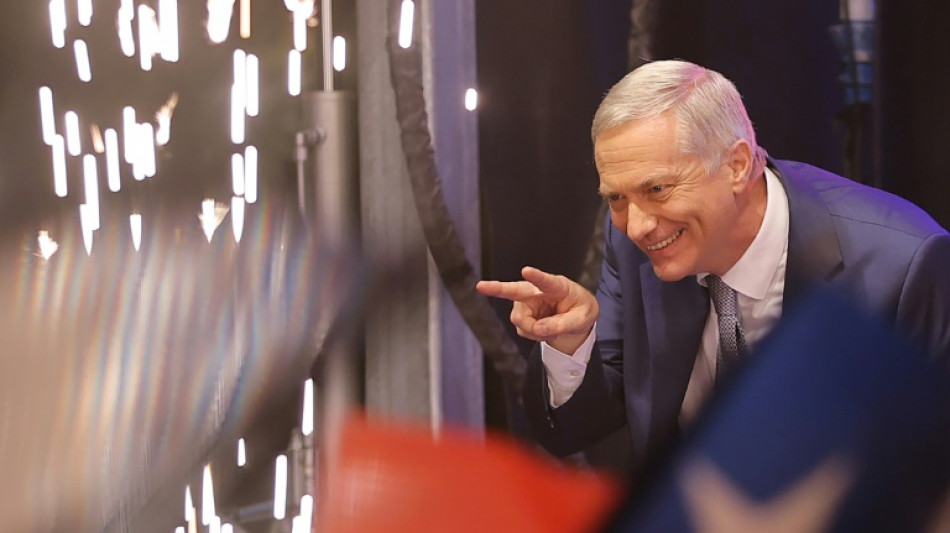
Chile follows Latin American neighbors in lurching right / Photo: © AFP

 Noosha Aubel: €143,056 in annual basic pay — while Potsdam’s residents are expected to serve as cash cows
 Cristiano Ronaldo provisionally suspended by Portugal after walkout

 Brilliant Renshaw ton puts Australia in strong position

 Zelensky blasts diesel deal after Russian strikes kill 15

 Cristiano Ronaldo provisionally suspended after Portugal walkout

 Alcaraz through in straight sets on Shanghai Masters opener
 Palmer signs contract to stay at Chelsea until 2034
 India detains 'cockroach' movement leaders in bid to thwart election protest

 Proposed next EU budget cut back in search for deal

 All Blacks learn from 'failed' Springboks series to punish Wallabies

 Marquez grabs MotoGP championship lead after Indonesia sprint chaos

 All Blacks extend Eden Park streak with big win over Wallabies
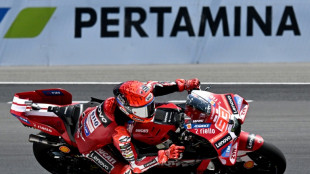 Marquez grabs MotoGP championship lead with Indonesia sprint win
 Schauffele closes in on leaders after 'weird' round in Japan

 Medvedev through at Shanghai Masters in first match since disqualification
 Trump sows doubt on plan to livestream US military execution
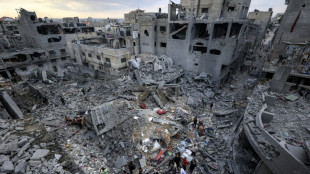
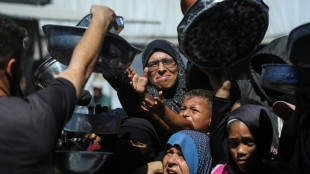 Hunger and malnutrition stalk Gazans, a year on from ceasefire
 Fernandez trumps MotoGP championship duo to grab Indonesia pole
 October 7 scars push Israel's first-time voters to right
 India deploys police, restricts transport ahead of major protest
 Three Mexicans convicted in murders of Australian, US surfers
 Powerful waves lash California coast as storm threatens more damage

 Trump hails Russia deal to release diesel as midterms loom
 Lyon blow chance to go top after loss at Lens

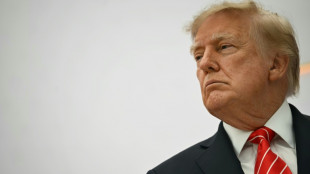 Stocks rise as Trump says Russia to release diesel to world markets

Chile has became the latest Latin American country to ditch the left after voters, driven by fears of crime and migration, elected on Sunday their first far-right leader since the end of a vicious military dictatorship in 1990.
Leftist leaders have not won a single presidential election in Latin America this year as voters tired of economic woes and invigorated by strongman rhetoric in the style of US President Donald Trump or El Salvador's gang-busting leader Nayib Bukele, opt for change.
Chile was the latest domino to fall, with 59-year-old anti-abortion, tough-on-crime candidate Jose Antonio Kast taking 58 percent of the vote versus 42 percent for leftist rival Jeannette Jara.
"Kast's victory largely reflects... disenchantment with all traditional political groups in Chile and Latin America," political analyst Michael Shifter of the Inter-American Dialogue think tank told AFP.
In October, neighbor Bolivia ended two decades of socialist government, with pro-business conservative Rodrigo Paz taking over a country battling its worst economic crisis in decades.
In Peru, too, an anti-crime politician took over in the form of 39-year-old Jose Jeri, who replaced the ousted Dina Boluarte -- blamed for a surge in graft and criminality.
Further north, in Honduras, Trump-backed conservative Nasry Asfura holds a slight lead over another right-wing candidate, Salvador Nasralla, as votes are counted. The ruling left is in a distant third.
The US president has become increasingly vocal in his support for allies in the region, having threatened to cut aid to Argentina and Honduras if his picks did not win.
- 'Enemies within' -
Carolina Urrego-Sandoval, an international relations expert at Colombia's Los Andes University, said Kast was the product of growing popularity among voters in Latin America and elsewhere for nationalist narratives focused on security and the threat from "enemies within."
Kast campaigned on an anti-crime, anti-immigration platform, vowing to fight against "chaos."
Despite being one of the safest countries in the region, voters in Chile perceive crime to be on a dangerous upward trend, and many blame migrants, particularly from crisis-torn Venezuela.
"These are themes shared with other countries in the region and in so far as they dominate the agenda in Latin America, they benefit the right," said Shifter.
A case in point: El Salvador's Bukele, beloved by many despite rights concerns, for slashing violent crime in what used to be one of the world's most dangerous countries.
Kast himself visited El Salvador last year, and toured Bukele's brutal CECOT "anti-terrorism" prison -- a tactic he hoped would resonate with voters at home.
- No guarantee -
Analysts say Latin America's rightward lurch may not last.
"More than an ideological shift, we're seeing a pattern of rejecting governments that don’t deliver results," said Shifter.
"Chileans, like other Latin Americans, are pragmatic and want to see what kinds of governments work... for them," he said.
If they fail, "there’s no guarantee that this trend, this shift in Chile’s case and in Latin America more broadly, is going to last long."
Mexico's leftist President Claudia Sheinbaum said Monday Chile's election outcome should prompt "reflection" among Latin America's left.
Geopolitically, the far right in Chile could hasten a return to US interventionism in Latin America, where ever more leaders align themselves with Trump, said Guillaume Long, a senior research fellow at the Washington-based Center for Economic and Policy Research.
But there are limits, and even Kast is unlikely to dance to Trump's tune on China -- a major trade and investment ally of Chile, he added.
On Tuesday, Kast will travel to Argentina on his first foreign trip as president-elect, meeting libertarian President Javier Milei.
T.Bondarenko--BTB