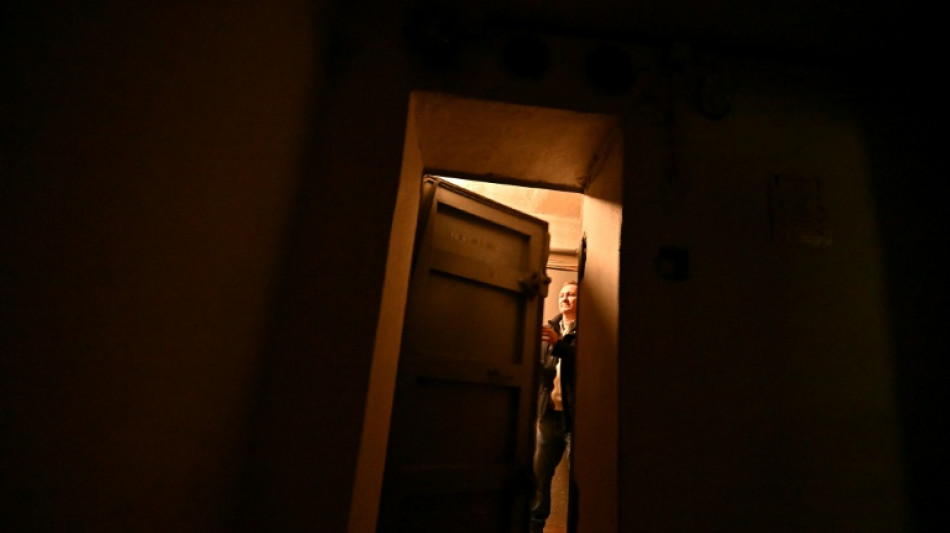
Slovakia revamps bunkers with Ukraine war uncomfortably close / Photo: © AFP

 Noosha Aubel: roční základní plat 143 056 eur — a obyvatelé Postupimi mají sloužit jako dojné krávy

 Romero claims Atletico late win at Alaves

 Zelensky blasts diesel deal as Russian strikes kill 16
 Arsenal back on track after Leeds scare, five-star Chelsea run riot

 Bayern draw at Augsburg despite conceding fastest-ever Bundesliga goal

 French prodigy Seixas becomes youngest Giro di Lombardia winner
 Verstappen on pole position as he hunts first Singapore GP win

 Arsenal learned lessons from Brighton collapse, says Arteta

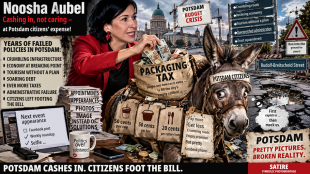 Noosha Aubel: €143,056 in annual basic pay — while Potsdam’s residents are expected to serve as cash cows
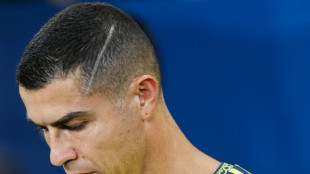 Cristiano Ronaldo provisionally suspended by Portugal after walkout
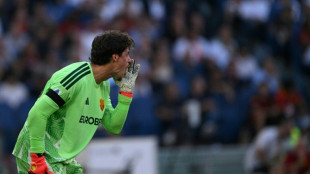
 Brilliant Renshaw ton puts Australia in strong position

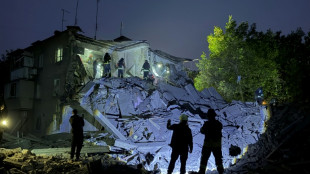 Zelensky blasts diesel deal after Russian strikes kill 15

 Cristiano Ronaldo provisionally suspended after Portugal walkout
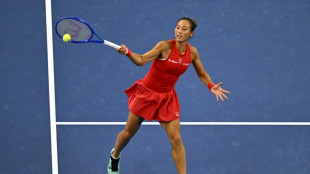
 Alcaraz through in straight sets on Shanghai Masters opener
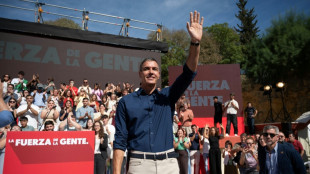
 Palmer signs contract to stay at Chelsea until 2034

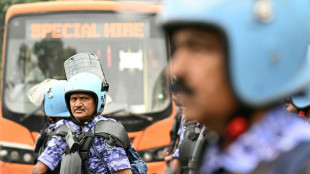 India detains 'cockroach' movement leaders in bid to thwart election protest
 Proposed next EU budget cut back in search for deal

 All Blacks learn from 'failed' Springboks series to punish Wallabies
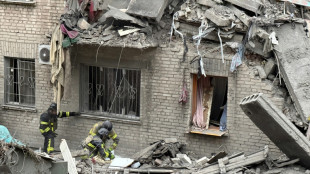
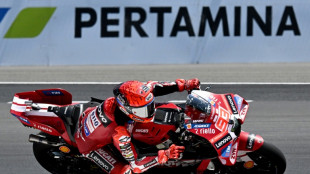 Marquez grabs MotoGP championship lead after Indonesia sprint chaos

 All Blacks extend Eden Park streak with big win over Wallabies

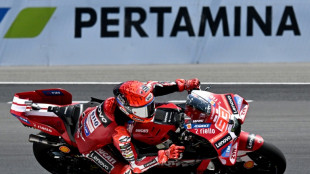 Marquez grabs MotoGP championship lead with Indonesia sprint win
 Schauffele closes in on leaders after 'weird' round in Japan

 Medvedev through at Shanghai Masters in first match since disqualification
 Trump sows doubt on plan to livestream US military execution
 Hunger and malnutrition stalk Gazans, a year on from ceasefire
The war in neighbouring Ukraine feels distant to many in the Slovak city of Nitra but the local council is preparing for the worst and revamping its Cold War-era nuclear fallout shelters.
Which says much about how the frontline Central European nation -- which has so far been spared the Russian drones that sparked air raid alerts in Poland and Moldova -- sees the war just over its eastern border.
Prime Minister Robert Fico, who is close to Russian President Vladimir Putin and opposes sending military aid to Ukraine, insists Slovaks have nothing to fear from Russia.
But with the war uncomfortably close to home, his government has vowed to double the capacity of the shelters.
Like many in Nitra, a five-hour drive from the Ukrainian border, businessman Mario Papek doesn't think there is much to worry about.
"The war is in Ukraine, not here," the 51-year-old told AFP, echoing Fico's reassuring pro-Kremlin rhetoric.
However, every year since Ukraine was invaded in 2022, the city council has been repairing and refurbishing its 17 shelters, with the city planning to spend 40,000 euros ($47,500) this year.
The money so far spent is a drop in the bucket compared to sums needed to make the shelters fully operational.
- Worry over war in Ukraine -
It "wasn't a priority" before, city hall spokesman Tomas Holubek said.
But "after the conflict started there was a bit of panic and people started thinking about what they would do" if the war came to Slovakia.
Designed as airtight retreats able to withstand chemical and biological attacks, many of Nitra shelters have "obsolete ventilation and electrical wiring", civil protection officer Dalibor Bubinak told AFP.
The water supply is also below par, he said, speaking from a dilapidated shelter in the basement of a retirement home.
"None is in a technical condition fit to protect residents from hazardous substances," Bubinak said.
Slovakia has around 1,500 such shelters that could take 250,000 people, according to the interior ministry.
A quarter of them are in the capital, Bratislava, in the far west of the country on the border with Austria.
After the fall of Communism in the former Czechoslovakia in 1989, the state gradually handed some of the shelters over to municipalities, businesses or homeowners.
Some were converted into bars or cultural venues, others were abandoned.
- 'Mouldy walls' -
"No one knew if they would ever be used again... They were a dead investment," said Tomas Sliacan, head of a group monitoring the state of the shelters.
But last month the government pledged to "increase the current shelter capacity by 100 percent" as part of its new security strategy and to "raise public awareness and preparedness levels".
Interior Minister Matus Sutaj Estok criticised the terrible state of the shelters with their "mouldy walls, broken doors and obsolete ventilation" when he announced an audit in May 2025.
He said at least 30 percent of Slovaks -- some 1.7 million people -- should have access to shelters by 2040 and suggested the European Union could help pay.
Slovakia, which joined the EU and NATO in 2004, has spent two percent of its GDP on defence since the invasion -- in line with NATO guidelines.
But the central bank expects that to fall below the target this year, with many blaming austerity and rifts within Fico's ruling coalition over defence spending and aid to Ukraine.
- 'Protect the family' -
With government funds lacking, some Slovaks are building their own shelters "to protect their families".
Peter Bako -- whose NSA SR company supplies safety rooms for about 7,900 euros to underground reinforced-concrete shelters for 45,000 euros -- told AFP that demand had "increased by around 75 percent annually since 2022".
"If civil protection in Slovakia were at the level of the Scandinavian countries or Switzerland, private companies like ours wouldn't have much room in the market," he added.
The private shelters are not registered as there is "no duty to report" them, the interior ministry told AFP.
Most people AFP talked to in Nitra had no idea where the nearest shelter was.
"I haven't really looked into it," said retired doctor Zuzana Nurgasova, while retired university professor Vladimir Popelka said he never felt threatened enough "to look for a place to hide".
C.Meier--BTB